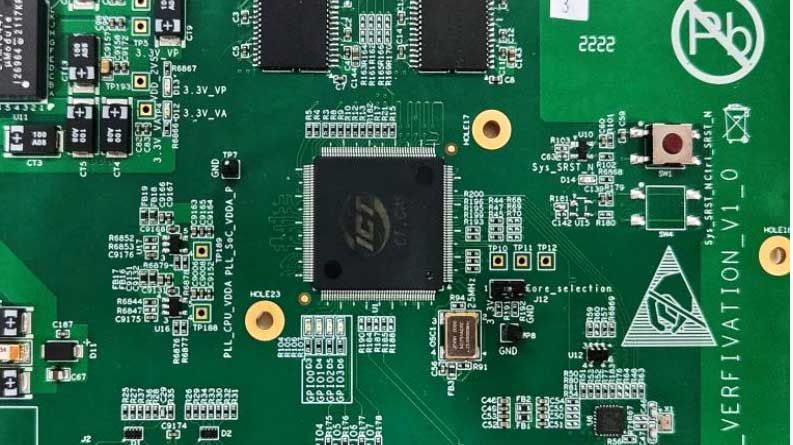
AI Accelerates Chip Design: The QiMeng Case
The silicio design sector is traditionally known for its long and complex development cycles, requiring highly specialized engineering teams and substantial computational resources. However, a recent development has highlighted the transformative potential of artificial intelligence in this field. An AI-based chip design system, named QiMeng, has demonstrated the ability to generate a complete RISC-V CPU in a surprisingly short timeframe.
The most remarkable result is the speed at which this AI agent operated: starting from a mere 219-word specification sheet, the system completed the entire CPU design in just 12 hours. This figure is particularly significant when compared to previous approaches, where a design of comparable complexity would have required processing 'many tens of billions of tokens,' a clear indication of the enormous amount of data and computational iterations needed with pre-existing methodologies.
Technical Details and the Leap in Efficiency
QiMeng's ability to translate a concise specification into a functional hardware design in such a short time represents a substantial innovation. The reference to 'many tens of billions of tokens' for a similar design suggests that previous methods, whether based on less efficient AI or manual processes assisted by EDA (Electronic Design Automation) tools, involved a much broader exploration of the design space, extensive simulations, or iterative generation of HDL (Hardware Description Language) code.
The QiMeng system appears to have drastically optimized the design pipeline, likely through learning complex patterns and applying advanced heuristics that reduce the need for exhaustive exploration. This not only accelerates the process but could also lead to greater consistency and a reduction in human errors, which are critical elements in silicio production.
Implications for Hardware and On-Premise Deployments
The advent of systems like QiMeng has profound implications for the hardware industry. The ability to rapidly design custom CPUs, such as those based on the Open Source RISC-V architecture, could democratize access to silicio solutions tailored for diverse needs. For companies evaluating on-premise deployments of AI/LLM workloads, this means the potential availability of hardware optimized for their specific performance, energy efficiency, and security requirements.
Custom chip creation could reduce reliance on external vendors for generic components, offering greater control over the supply chain and data sovereignty. This is particularly relevant for air-gapped environments or organizations with stringent compliance requirements. For those evaluating on-premise deployments, AI-RADAR offers analytical frameworks on /llm-onpremise to assess the trade-offs between standard solutions and the opportunity for custom hardware, considering TCO and desired performance.
The Future of Silicio Creation
While the design speed is impressive, the path to widespread adoption of AI-designed chips still presents challenges. Verification and validation of these designs are critical steps that require rigorous testing to ensure reliability and functionality. However, QiMeng's progress indicates a clear direction: artificial intelligence is no longer just a tool to optimize existing processes but an agent capable of radically innovating the hardware ideation and development phase.
This could lead to a future where hardware innovation cycles shorten dramatically, allowing for a more agile response to emerging technological needs. The trade-offs between design speed, chip complexity, and manufacturing costs will remain central, but AI promises to significantly shift the balance, making custom silicio creation a more accessible and cost-effective reality.








💬 Comments (0)
🔒 Log in or register to comment on articles.
No comments yet. Be the first to comment!