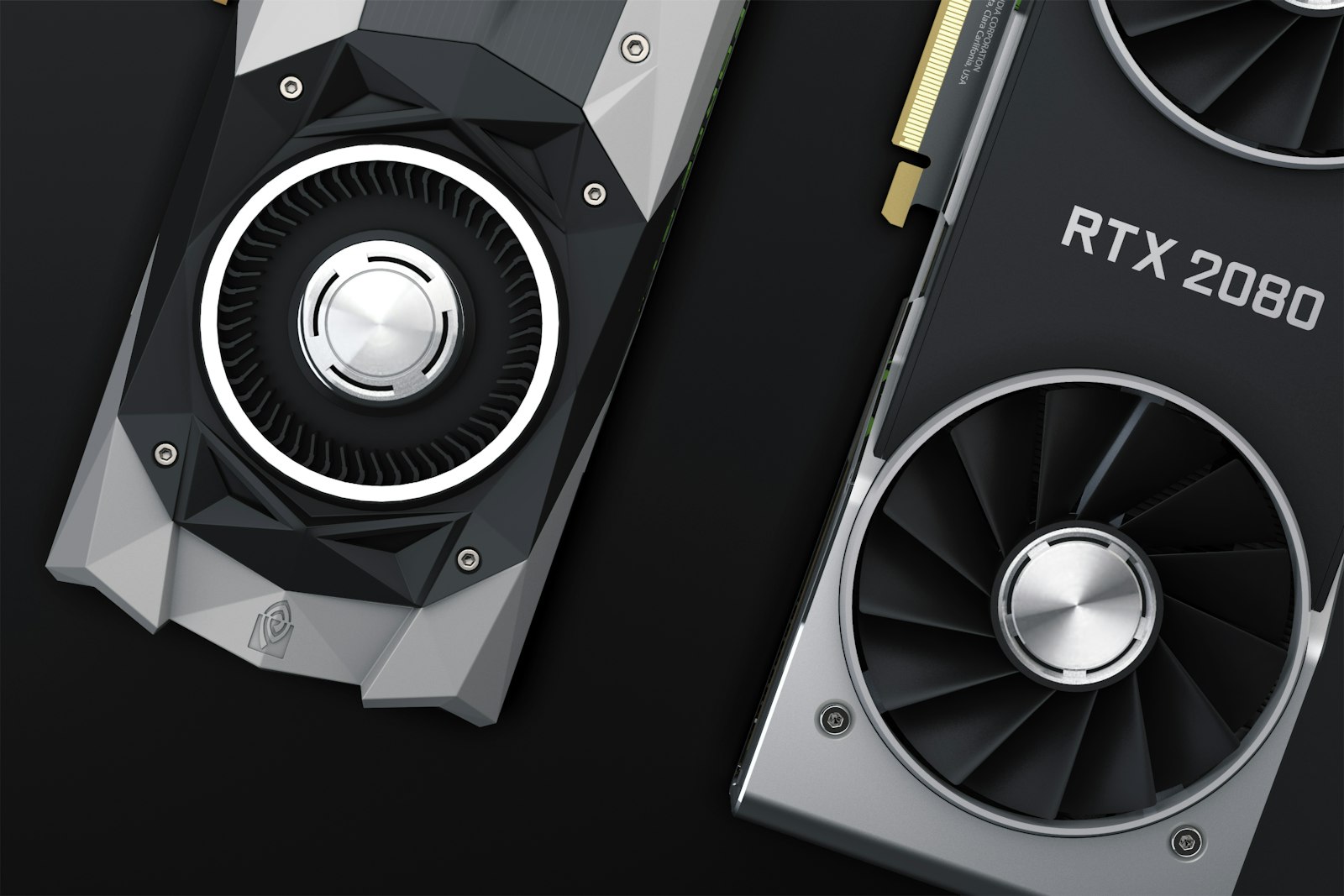
Il dibattito sulle CPU per l'AI agentica
Il panorama dell'intelligenza artificiale è in costante evoluzione, con l'emergere di nuove architetture e paradigmi di utilizzo. Tra questi, l'AI agentica sta guadagnando terreno, promettendo sistemi capaci di operare in modo più autonomo e proattivo. In questo contesto dinamico, i principali attori del settore hardware stanno delineando strategie divergenti riguardo alle esigenze computazionali future.
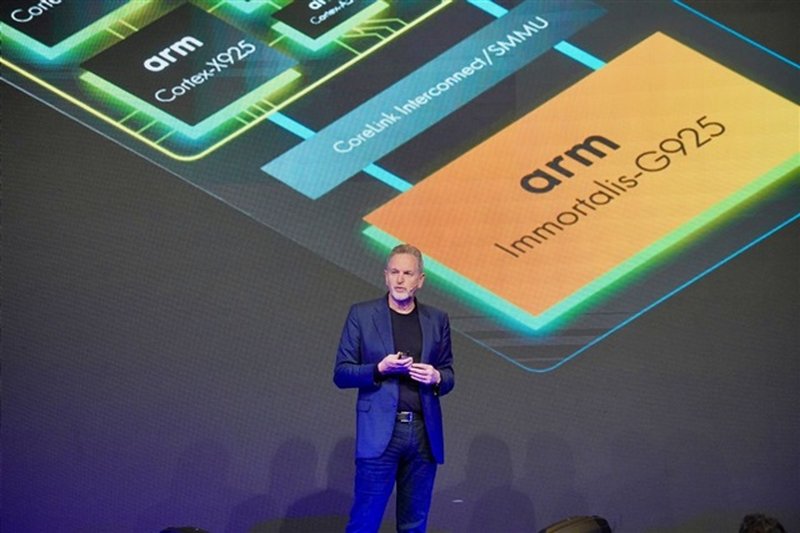
Recentemente, aziende come Nvidia e Arm hanno presentato unità di elaborazione centrali (CPU) progettate specificamente per eseguire agenti AI, citando esempi come OpenClaw. Questa mossa suggerisce che, secondo queste aziende, le architetture CPU tradizionali potrebbero non essere ottimali per le peculiarità dei carichi di lavoro agentici, richiedendo un approccio più mirato allo sviluppo del silicio.
Le esigenze computazionali degli agenti AI
Gli agenti AI differiscono dai tradizionali Large Language Models (LLM) per la loro capacità di pianificare, ragionare e interagire con l'ambiente, spesso attraverso cicli iterativi di percezione, decisione e azione. Questo comporta requisiti computazionali specifici che vanno oltre la semplice inference di un LLM. Si parla di gestione di stati complessi, accesso rapido a memorie esterne per la persistenza delle informazioni e capacità di elaborazione decisionale in tempo reale.
Le CPU ottimizzate per questi carichi di lavoro potrebbero integrare acceleratori dedicati, migliorare le gerarchie di memoria per ridurre la latenza nell'accesso ai dati, o offrire un'architettura di core più flessibile per gestire sia compiti sequenziali che paralleli. Tuttavia, il responsabile del settore Data Center di Intel ha espresso scetticismo riguardo alla necessità di un tipo di CPU completamente nuovo, suggerendo che le architetture esistenti o i loro futuri sviluppi incrementali possano essere sufficienti per affrontare queste sfide.
Implicazioni per il deployment on-premise
Per CTO, DevOps lead e architetti di infrastrutture che valutano il deployment di carichi di lavoro AI, questo dibattito ha implicazioni significative. La scelta tra CPU general-purpose e architetture specializzate incide direttamente sul Total Cost of Ownership (TCO), sulla flessibilità dell'infrastruttura e sulla sovranità dei dati. L'adozione di hardware altamente specializzato potrebbe offrire vantaggi in termini di performance ed efficienza energetica per specifici carichi di lavoro agentici, ma potrebbe anche comportare costi iniziali più elevati e una minore versatilità per altre applicazioni.
Al contrario, affidarsi a CPU più generiche potrebbe garantire maggiore flessibilità e costi di CapEx potenzialmente inferiori, ma potrebbe richiedere un'ottimizzazione software più spinta o accettare compromessi sulle performance per carichi di lavoro AI intensivi. La decisione finale dipenderà da un'attenta analisi dei trade-off tra ottimizzazione delle performance, costi, scalabilità e requisiti di compliance, soprattutto per ambienti air-gapped o con stringenti normative sulla residenza dei dati. Per chi valuta deployment on-premise, AI-RADAR offre framework analitici su /llm-onpremise per valutare questi trade-off in modo approfondito.
Il futuro del silicio nell'era dell'AI
Il confronto tra Arm e Intel sottolinea una questione fondamentale per il futuro dell'intelligenza artificiale: quanto il silicio debba essere specializzato per soddisfare le esigenze di paradigmi emergenti come l'AI agentica. Mentre alcuni sostengono la necessità di un'innovazione radicale a livello di architettura hardware, altri ritengono che l'evoluzione delle CPU esistenti, magari affiancate da acceleratori specifici, possa essere la strada più efficiente e sostenibile.
Questa discussione è cruciale per le decisioni di investimento e pianificazione infrastrutturale che le aziende dovranno affrontare nei prossimi anni. La capacità di bilanciare performance, costi e flessibilità sarà determinante per il successo delle strategie di adozione dell'AI, sia in ambienti cloud che self-hosted. Il mercato del silicio per l'AI è in rapida trasformazione, e le diverse visioni dei leader del settore continueranno a plasmare le opzioni disponibili per gli sviluppatori e le imprese.







💬 Commenti (0)
🔒 Accedi o registrati per commentare gli articoli.
Nessun commento ancora. Sii il primo a commentare!