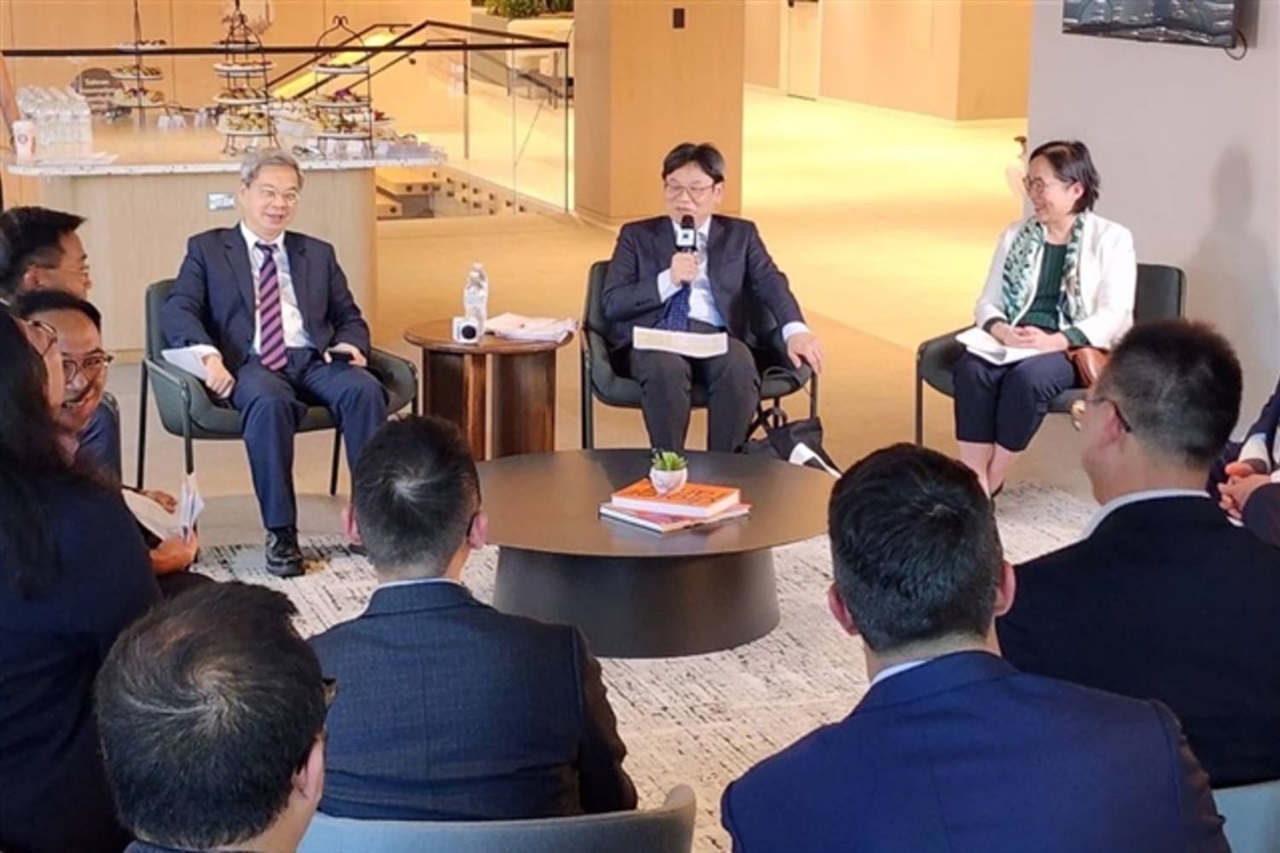
The Geopolitical Transformation of Silicio and the AI Era
The global landscape of semiconductor manufacturing, a strategic sector for technological innovation, is undergoing a profound transformation. At the heart of this dynamic is Taiwan Semiconductor Manufacturing Company (TSMC), the undisputed leader in advanced chip fabrication. The exponential rise of artificial intelligence has amplified the demand for high-performance silicio, making the semiconductor supply chain a focal point for the economic and national security of many global powers.
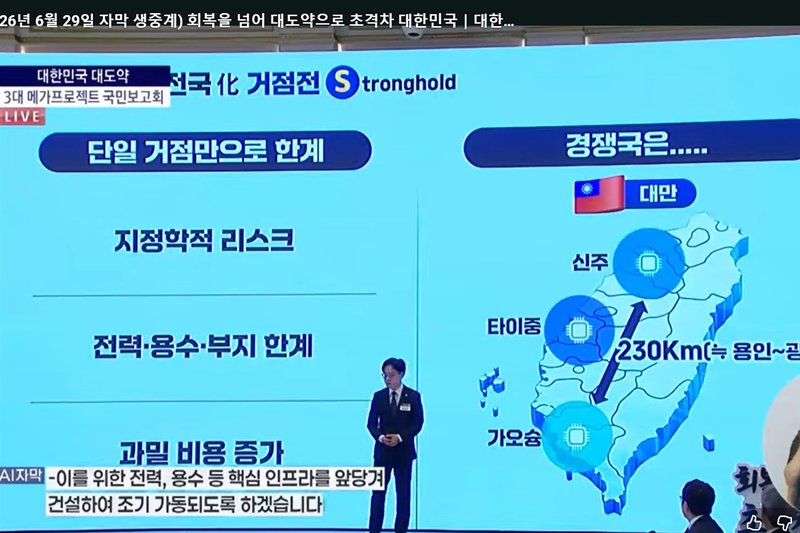
This pressure has triggered a redefinition of production strategies, with increasing attention to geographical diversification. TSMC's move to expand its manufacturing capacity in Arizona, USA, represents an emblematic example of this shift. This decision not only aims to mitigate geopolitical risks associated with the concentration of production in Asia but also to respond to the needs for technological sovereignty and resilience of Western supply chains.
The Impact on AI Hardware and On-Premise Deployment
For organizations relying on intensive artificial intelligence workloads, particularly for the development and deployment of Large Language Models (LLM) on-premise, these geopolitical dynamics have direct implications. The availability and cost of specialized hardware, such as GPUs with high VRAM and high-performance computing infrastructures, are closely linked to the stability and diversification of the silicio supply chain.
A disruption or limitation in chip production can result in significant delays in the procurement of essential servers and components, affecting companies' ability to scale their AI operations. On-premise deployment planning requires a long-term vision that considers not only technical specifications (such as GPU VRAM or expected throughput) but also macroeconomic and geopolitical factors that can impact the Total Cost of Ownership (TCO) and the sustainability of infrastructure investment.
Data Sovereignty and Infrastructure Resilience
The choice of on-premise deployment for AI workloads is often driven by stringent requirements for data sovereignty, regulatory compliance (such as GDPR), and security. Air-gapped or self-hosted environments offer granular control over data and models, reducing dependence on external cloud providers. In this context, the resilience of the hardware supply chain becomes a fundamental pillar for ensuring operational continuity and the protection of information assets.
A more distributed silicio supply chain, as suggested by TSMC's investments in Arizona, could theoretically offer greater stability and reduce the risks of localized disruptions. However, it also introduces new logistical complexities and operational costs. Companies must balance these factors, carefully evaluating the trade-offs between the geographical diversification of chip production and the efficiency of the supply chain for their artificial intelligence projects.
Future Outlook and Strategic Decisions
The evolution of Taiwan's economic map, influenced by AI and TSMC, underscores the growing interconnection between geopolitics, technology, and business strategy. For CTOs, DevOps leads, and infrastructure architects, it is imperative to monitor these trends to make informed decisions about their LLM deployments. The choice between on-premise, cloud, or hybrid solutions is never static but evolves with the technological and geopolitical context.
AI-RADAR is committed to providing in-depth analysis of these scenarios, offering frameworks to evaluate the trade-offs between different deployment options. Understanding the implications of the silicio supply chain on hardware availability, costs, and data sovereignty is essential for building resilient and high-performing AI infrastructures. The future of artificial intelligence will depend not only on model innovation but also on the solidity and security of the hardware foundations upon which they rest.







💬 Comments (0)
🔒 Log in or register to comment on articles.
No comments yet. Be the first to comment!