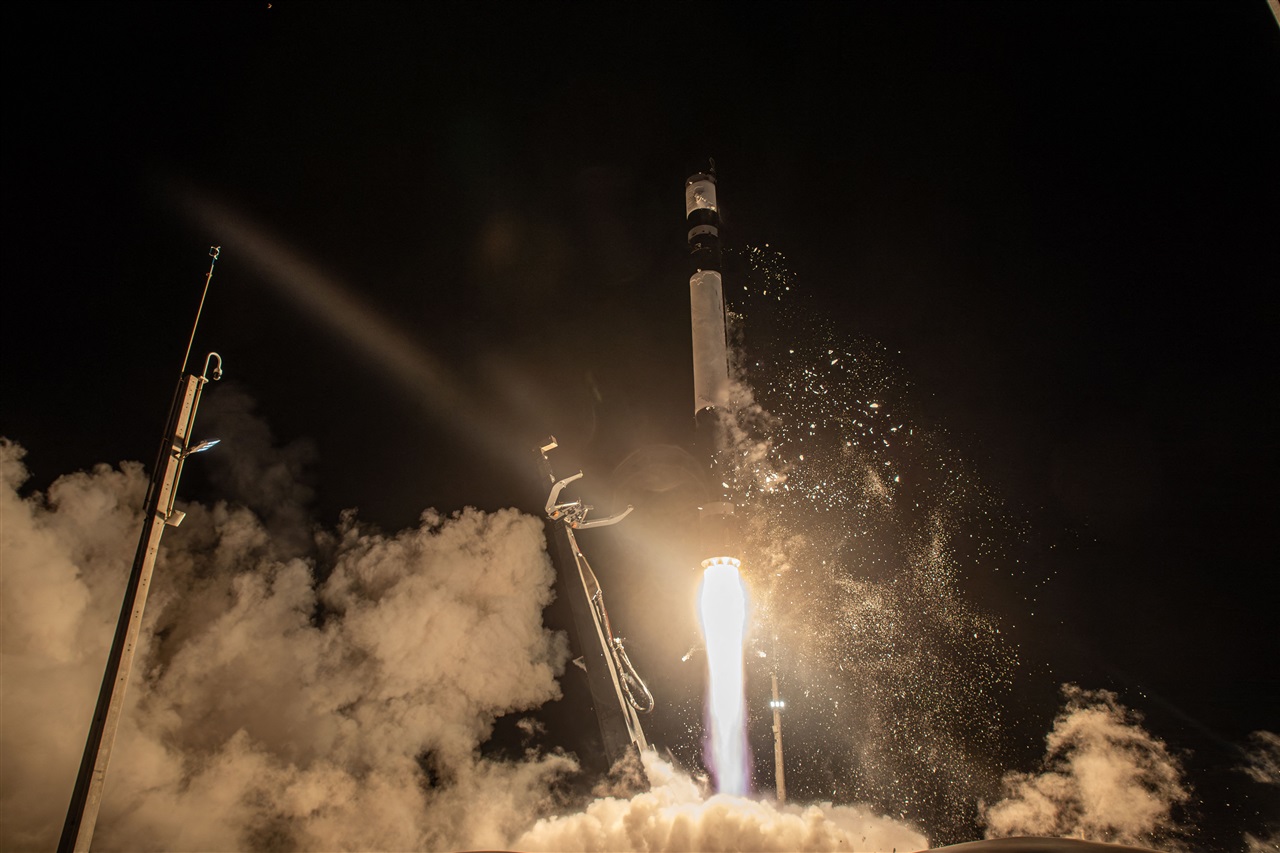
AI, Lasers, and Autonomous Satellites: The New Space Arms Race
Global strategic competition is taking on new forms, extending beyond terrestrial boundaries to embrace space. A recent AFP analysis highlights how the "new space arms race" is now defined by the integration of advanced technologies such as artificial intelligence (AI), laser systems, and autonomous satellites. This scenario profoundly redefines defense and security dynamics, introducing unprecedented complexities and opportunities for nations aiming to consolidate their influence in the geostrategic arena.
Technological evolution in space is no longer just about the ability to launch objects into orbit, but about the sophistication with which these assets operate and interact. AI, in particular, emerges as a crucial enabler, transforming satellites from simple passive instruments into intelligent, reactive platforms capable of making autonomous decisions and adapting to changing scenarios.
The Role of Artificial Intelligence and Autonomous Systems
Artificial intelligence is at the heart of this transformation, providing the ability to process vast volumes of data collected from space in real time. This includes analyzing satellite imagery, monitoring communications, and predicting adversary movements. For military and intelligence applications, the speed and accuracy of AI Inference are critical, often requiring on-premise or edge deployments to ensure low latency and data sovereignty. Autonomous systems, such as satellites capable of navigating, identifying targets, or even self-repairing, rely heavily on robust AI models and distributed computing capabilities.
Managing these AI workloads in space or air-gapped environments presents unique challenges. Hardware resources, such as GPU VRAM and compute power, must be optimized to operate in extreme conditions, with energy and space constraints. Deploying LLMs or other AI models on satellite platforms requires advanced techniques like Quantization to reduce footprint and power consumption while maintaining the accuracy needed for critical missions. The need for high Throughput and minimal latency is imperative for scenarios requiring immediate responses.
Implications of Laser Systems and Data Sovereignty
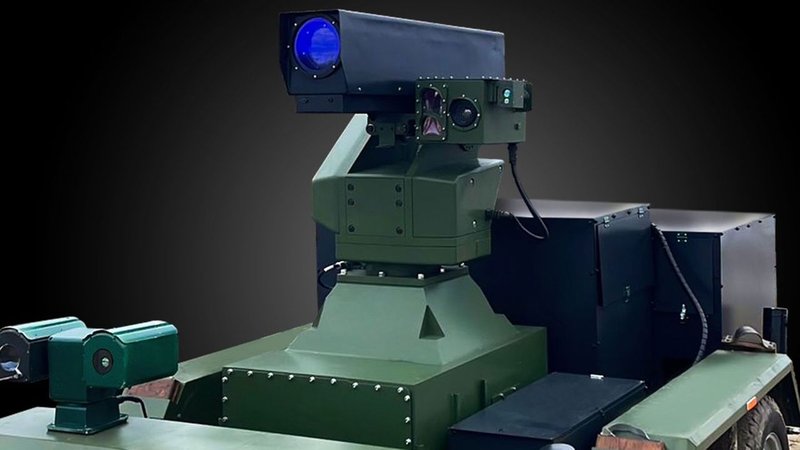
Alongside AI, laser systems represent another technological frontier with broad implications. They can be used for high-speed communications, precise tracking of objects in orbit, or as active defense tools capable of neutralizing satellite threats or space debris. The integration of these systems with AI allows for more precise targeting and more efficient management of energy resources, maximizing operational effectiveness.
A crucial aspect in this context is data sovereignty. Sensitive information collected and processed by these systems must remain under the exclusive control of the nations operating them. This imperative drives towards self-hosted and air-gapped solutions, where the entire data pipeline and AI Inference are managed within proprietary infrastructures, away from public clouds or external jurisdictions. The TCO evaluation for such infrastructures must consider not only initial costs (CapEx) but also long-term benefits in terms of security, compliance, and strategic control.
Future Prospects and Challenges
The new space arms race, fueled by AI, lasers, and autonomous satellites, marks an era of profound transformation for global security. Nations that master these technologies will gain a significant strategic advantage but will also face complex challenges related to the ethics of autonomy, space stability, and conflict prevention.
For organizations and governments evaluating the Deployment of critical AI capabilities, the choice between cloud and on-premise solutions becomes a fundamental strategic decision. AI-RADAR offers analytical frameworks on /llm-onpremise to support the evaluation of trade-offs between control, security, performance, and costs, providing essential guidance for building resilient and sovereign infrastructures in this new scenario.








💬 Comments (0)
🔒 Log in or register to comment on articles.
No comments yet. Be the first to comment!