L'allarme di IntelliEPI e la centralità del fosfuro di indio
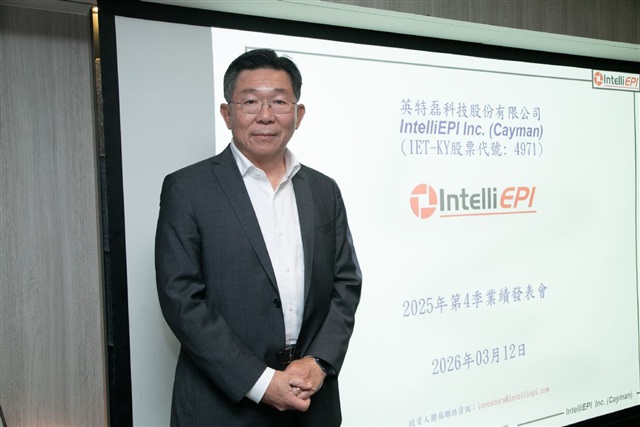
IntelliEPI, un attore chiave nel panorama taiwanese dei semiconduttori, ha recentemente segnalato una potenziale e grave carenza di fosfuro di indio. Questo composto semiconduttore è un materiale strategico, sebbene meno noto al grande pubblico rispetto al silicio, per la produzione di componenti ad alte prestazioni. La sua importanza risiede nelle proprietà uniche che lo rendono ideale per applicazioni che richiedono velocità elevate e capacità di gestire segnali ottici.
Il fosfuro di indio trova impiego in una vasta gamma di tecnicie critiche, dalle comunicazioni in fibra ottica ad alta velocità ai sensori avanzati, fino a specifici dispositivi elettronici a radiofrequenza. Questi componenti sono i pilastri su cui si basano le moderne infrastrutture di rete e i data center, elementi indispensabili per supportare carichi di lavoro intensivi come quelli generati dai Large Language Models (LLM) e dall'intelligenza artificiale.
Ripercussioni sulla supply chain e i deployment on-premise
Una carenza di un materiale così fondamentale può innescare una reazione a catena lungo l'intera supply chain tecnicica. Le aziende che dipendono dal fosfuro di indio per i loro prodotti potrebbero affrontare ritardi nella produzione, aumento dei costi e difficoltà nel mantenere i volumi di consegna. Questo scenario è particolarmente rilevante per le organizzazioni che pianificano o gestiscono deployment on-premise di infrastrutture AI.
Per CTO, DevOps lead e architetti di infrastruttura, la disponibilità e la stabilità delle forniture hardware sono fattori cruciali. I deployment self-hosted, spesso scelti per ragioni di sovranità dei dati, controllo e ottimizzazione del TCO a lungo termine, richiedono una pianificazione meticolosa degli investimenti in hardware, come GPU, server e interconnessioni di rete. Una carenza di materiali può compromettere queste strategie, introducendo incertezze sui tempi di approvvigionamento e sui costi.
La sfida della resilienza infrastrutturale
La notizia di IntelliEPI evidenzia la fragilità intrinseca delle supply chain globali e la loro suscettibilità a interruzioni inaspettate. Per le aziende che investono in infrastrutture AI dedicate, la resilienza diventa una priorità assoluta. Ciò implica non solo la diversificazione dei fornitori, ma anche la valutazione di architetture hardware che possano offrire maggiore flessibilità o che siano meno dipendenti da singoli punti di fallimento nella catena di produzione.
La pianificazione strategica per i carichi di lavoro LLM deve ora considerare anche questi rischi macroeconomici e geopolitici. Mentre le soluzioni cloud offrono una certa flessibilità in termini di scalabilità on-demand, i deployment on-premise richiedono un approccio più proattivo alla gestione del rischio hardware, dalla scelta dei componenti alla gestione degli stock e alla negoziazione dei contratti di fornitura.
Prospettive e strategie di mitigazione
Nel breve termine, le aziende potrebbero dover rivedere le proprie roadmap di acquisto hardware e considerare l'impatto sui budget CapEx. A lungo termine, l'industria potrebbe esplorare materiali alternativi o nuove tecniche di produzione per ridurre la dipendenza da risorse specifiche. La ricerca e sviluppo in questo ambito diventeranno ancora più cruciali per garantire la continuità dell'innovazione tecnicica.
Per chi valuta deployment on-premise, AI-RADAR offre framework analitici su /llm-onpremise per valutare i trade-off tra costi, performance e rischi della supply chain. Comprendere l'impatto di carenze di materiali come il fosfuro di indio è essenziale per prendere decisioni informate che bilancino controllo, sovranità dei dati e sostenibilità operativa.






💬 Commenti (0)
🔒 Accedi o registrati per commentare gli articoli.
Nessun commento ancora. Sii il primo a commentare!