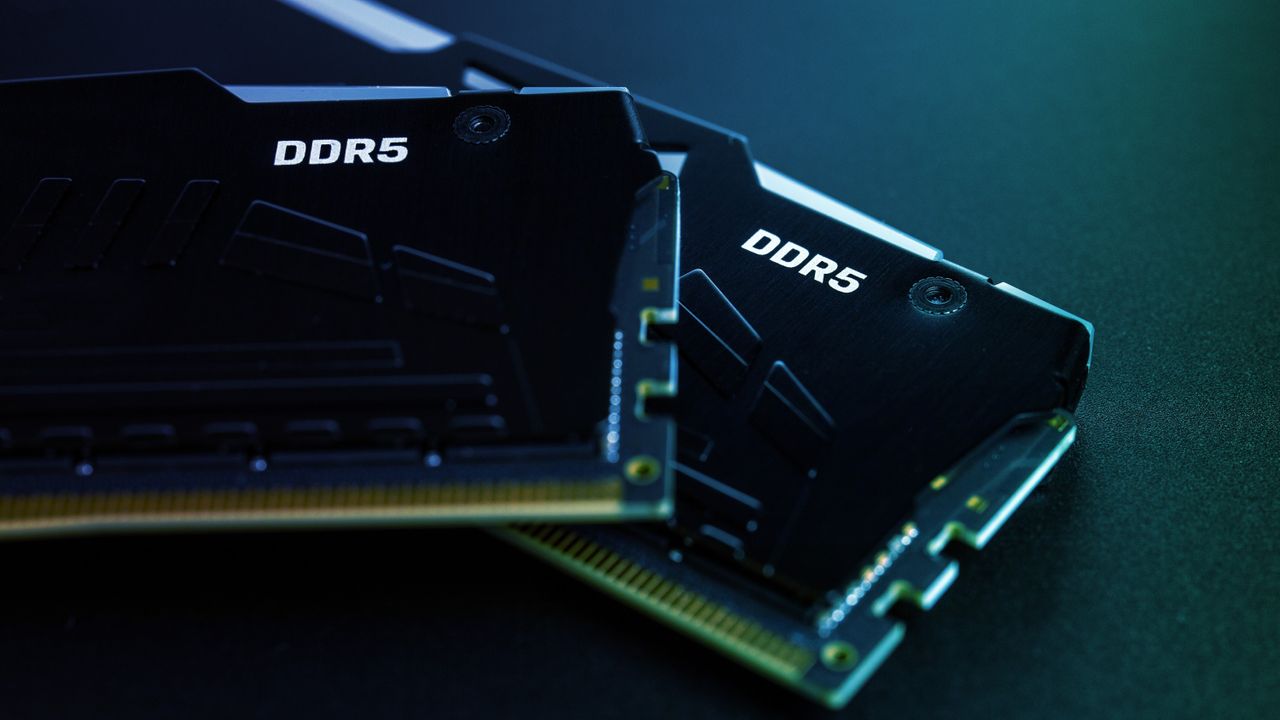
AMD EXPO 1.2: DDR5 Optimization and New Compatibility Horizons
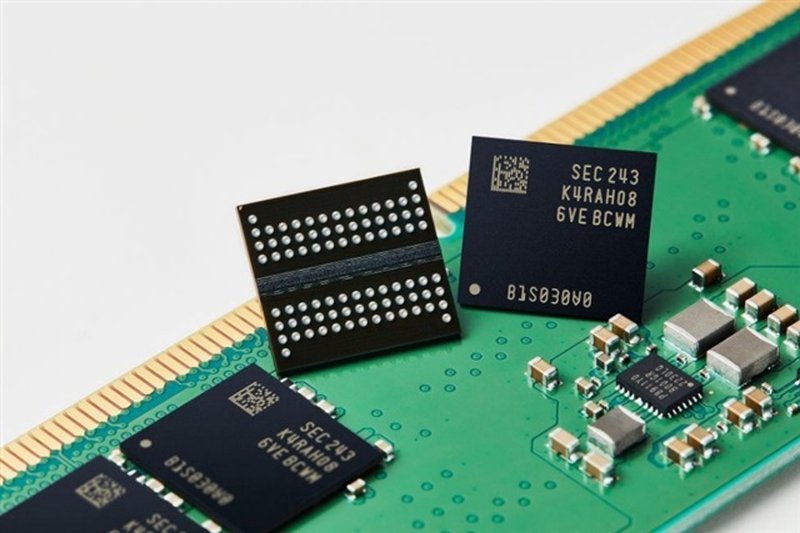
AMD has announced the release of version 1.2 of its EXPO (Extended Profiles for Overclocking) technology, a significant update for optimizing the performance of DDR5 memory modules. This revision aims to improve memory stability and overclocking capabilities, a crucial factor for systems requiring high data processing speeds, such as those used for artificial intelligence workloads and Large Language Models (LLM).
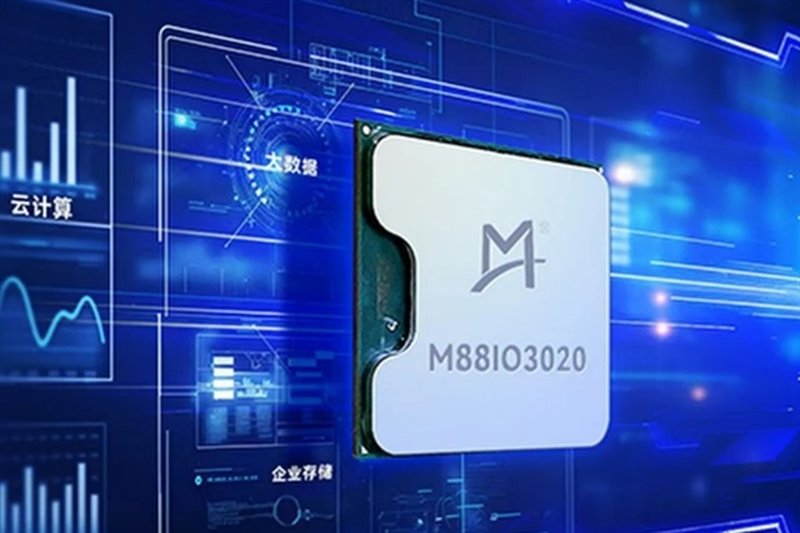
This update introduces expanded compatibility, including support for three new Chinese memory module vendors. This strategic move by AMD strengthens the DDR5 ecosystem, offering system builders and end-users a wider range of hardware options. The availability of more vendors can also contribute to increased market competitiveness, potentially influencing the Total Cost of Ownership (TCO) for infrastructures.
Technical Details and Performance Implications
AMD's EXPO technology functions similarly to other predefined memory profiles, allowing users to easily enable optimized overclocking settings for DDR5 modules directly from the BIOS. This simplifies the configuration process to achieve maximum memory performance without the need for complex manual adjustments. For intensive workloads, such as LLM training or Inference, memory speed and latency are fundamental parameters that directly impact system Throughput and responsiveness.
However, industry analysis suggests that performance gains from EXPO 1.2 might be limited with current CPU architectures. More substantial benefits are expected to materialize only with the introduction of AMD's future Zen 6 architecture. This indicates that, while EXPO 1.2 optimizes memory, the current generation of processors might represent a bottleneck, preventing DDR5 memory from expressing its full potential.
Hardware Context and Deployment Decisions
For companies evaluating the Deployment of self-hosted or on-premise AI infrastructures, the choice of memory and CPU platform is a critical decision. The availability of DDR5 modules with optimized EXPO profiles can influence a system's ability to handle large data volumes and complex models. A well-balanced infrastructure, where CPU and memory work in synergy, is essential to maximize efficiency and minimize latency, crucial aspects for applications like real-time Inference.
The prospect that true performance gains are tied to the Zen 6 architecture poses a challenge for decision-makers. They must balance investment in current hardware with the awareness of significant future improvements. This scenario highlights common trade-offs in the hardware sector: adopting the latest technology today for incremental gains, or waiting for the next generation for a more substantial performance leap, with implications for TCO and hardware lifecycle.
Future Prospects and Strategic Considerations
The evolution of memory and CPU technologies is a continuous process that directly impacts data processing capabilities and, consequently, the efficiency of AI workloads. AMD's EXPO 1.2 update, while a step forward for DDR5 compatibility and optimization, underscores the importance of integration between various hardware components. For those designing LLM infrastructures, it is crucial to consider not only the specifications of individual components but also how they interact within a local stack.
AMD's strategy of expanding vendor support and paving the way for future architectures like Zen 6 reflects a long-term commitment to the high-performance memory market. For organizations prioritizing data sovereignty and self-hosted Deployments, monitoring these evolutions is crucial for planning upgrades and ensuring that infrastructure can support the growing computational demands of AI models. For those evaluating on-premise Deployments, AI-RADAR offers analytical Frameworks at /llm-onpremise to assess the trade-offs between different hardware solutions and their TCO implications.





💬 Comments (0)
🔒 Log in or register to comment on articles.
No comments yet. Be the first to comment!