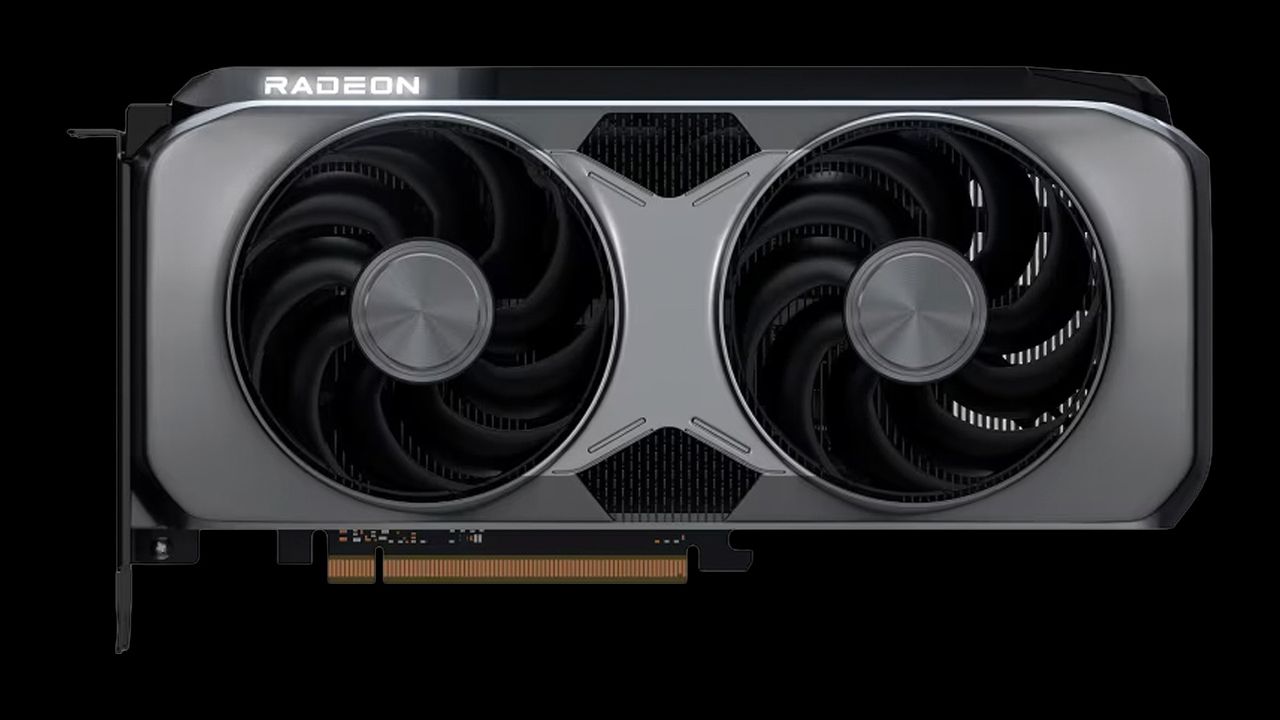
AMD Expands Radeon RX 9070 GRE Availability
AMD has officially extended the availability of its Radeon RX 9070 GRE graphics card to the global market. Previously exclusive to the Chinese market, this GPU, based on the RDNA 4 architecture, will be available internationally starting June 2, with a launch price set at $549. This move represents a significant expansion of AMD's strategy, making a hardware option accessible that was previously limited to a single region.
The global introduction of the RX 9070 GRE enriches AMD's graphics card offerings, providing consumers and professionals with an additional choice. The decision to bring this GPU beyond China's borders likely reflects an evaluation of market dynamics and global demand, aiming to capitalize on an architecture that has already proven its value.
Positioning and RDNA 4 Architecture
The Radeon RX 9070 GRE is strategically placed within AMD's product lineup, aiming to bridge the gap between the existing RX 9060 XT and RX 9070 models. This positioning suggests a balanced offering in terms of performance and cost, targeting a wide range of users seeking robust graphics capabilities without reaching the highest price tiers. The RDNA 4 architecture, on which the GPU is based, is AMD's latest iteration for its graphics cards.
While the RX 9070 GRE is primarily gaming-oriented, the RDNA 4 architecture brings improvements that can also have implications for broader computational workloads. For companies evaluating on-premise solutions for inference of smaller Large Language Models (LLMs) or prototype development, the availability of new hardware options at competitive prices can influence purchasing decisions. GPU VRAM and compute capability are critical factors for efficient LLM execution, and expanding market offerings provides more flexibility in infrastructure planning.
Market Implications and Deployment Decisions
The global arrival of the Radeon RX 9070 GRE at $549 introduces a new benchmark in the mid-range GPU segment. For CTOs, DevOps leads, and infrastructure architects considering self-hosted alternatives to cloud solutions for AI/LLM workloads, the expansion of hardware options is always a relevant factor. Although consumer-grade cards are not typically the first choice for large-scale enterprise LLM deployments, they can find use in specific scenarios, such as edge computing, local development, or inference of smaller models where Total Cost of Ownership (TCO) is a priority.
The availability of more accessible hardware can lower the entry barrier for experimenting with and implementing on-premise AI solutions, allowing for greater data control and potential long-term operational cost reductions compared to cloud subscription models. However, it is crucial to carefully evaluate the trade-offs in terms of performance, scalability, and enterprise support compared to dedicated professional solutions.
Future Prospects for AMD Hardware in AI
The expanded availability of the Radeon RX 9070 GRE underscores the continuous evolution of the GPU market and AMD's strategy to solidify its position. While the primary focus for the most demanding AI workloads remains on professional cards like the Instinct series, innovation in consumer architectures like RDNA 4 helps push the boundaries of GPU technology in general.
For organizations aiming to maintain data sovereignty and operate in air-gapped environments, hardware selection is a fundamental pillar. The greater variety of GPUs on the market, even those initially designed for other purposes, offers decision-makers more leverage to build resilient and cost-efficient AI infrastructures. AI-RADAR continues to monitor these dynamics, providing analysis on the analytical frameworks available at /llm-onpremise to support the evaluation of trade-offs between different deployment strategies.





💬 Comments (0)
🔒 Log in or register to comment on articles.
No comments yet. Be the first to comment!