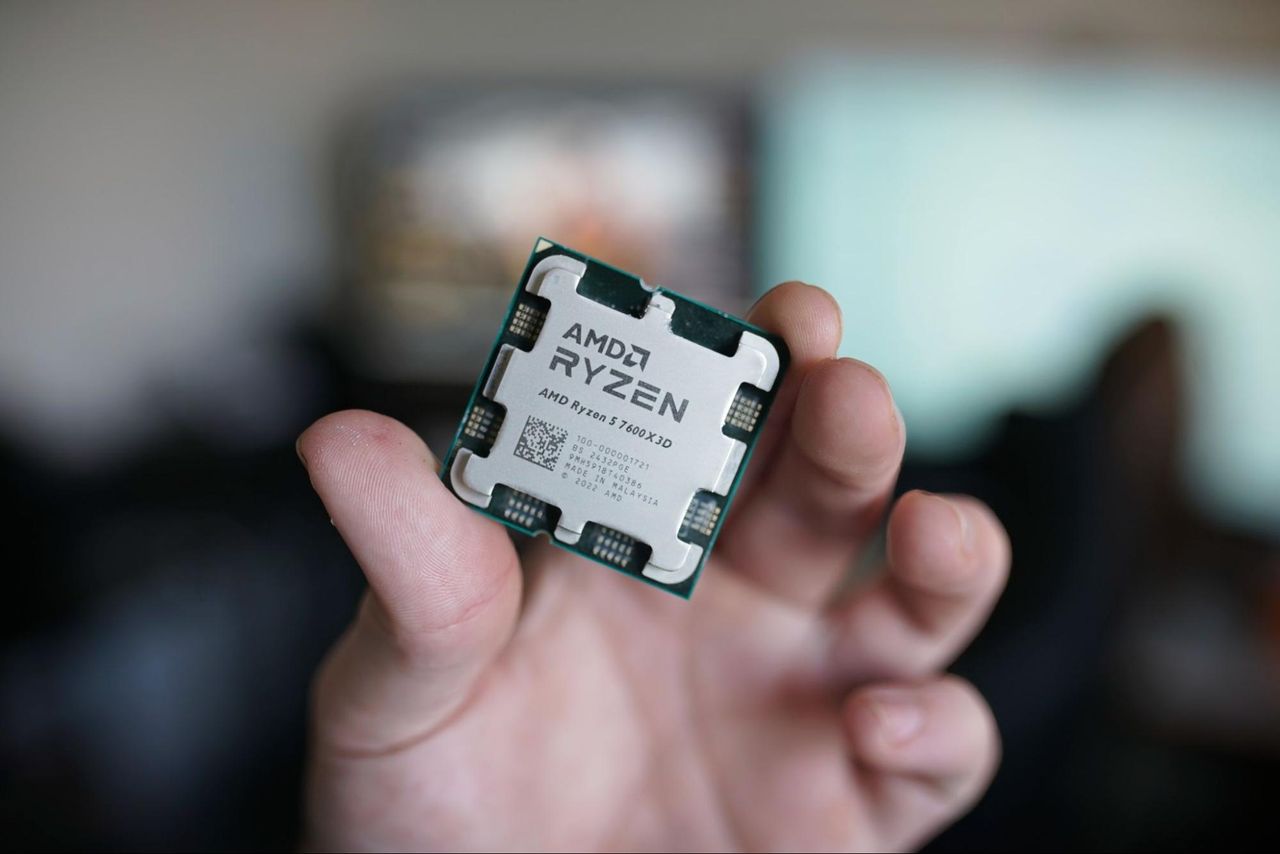
AMD has announced that it will reinstate transparent memory encryption (TSME) on Ryzen 9000 series processors via a BIOS update scheduled for July. The reversal follows vociferous criticism from the community, which had discovered the absence of a security feature previously available and considered indispensable by many professionals.
A feature taken for granted, then removed
TSME (Transparent Secure Memory Encryption) is not an entirely new technology: in previous generations of AMD CPUs, it enabled automatic encryption of data in DRAM with negligible performance impact. It provided protection against physical attacks such as cold boot or unauthorized access to memory modules – particularly relevant in environments where data confidentiality is a priority, from corporate PCs to small on-premise servers.
With the launch of Ryzen 9000 (Zen5), several users noticed that TSME was disabled and could not be enabled via BIOS. Disappointment quickly turned into public pressure, with requests for clarification on forums and direct reports. AMD initially confirmed the design choice, but after heated debate, it decided to reverse course, acknowledging “valuable community feedback.”
Why memory encryption matters for on-premise AI
For anyone developing or running large language models (LLMs) on local hardware, every layer of security counts. Model weights and the data processed during inference reside in RAM and can represent intellectual property or information covered by regulations such as GDPR. Transparent memory encryption, without requiring software changes, raises the barrier against physical extraction of modules or data interception from a powered-off system.
Admittedly, Ryzen 9000 chips are consumer parts, not the EPYC processors typical of servers. But the line is blurring: many experiments and small on-premise deployments use desktop hardware for cost reasons. Having TSME active means being able to protect sensitive workloads on workstations or home labs, without being forced to migrate to enterprise platforms. The episode confirms that technically minded users do not view these capabilities as optional.
The lesson for the hardware ecosystem
Community pressure worked, demonstrating how transparency and dialogue can correct corporate decisions. AMD listened, but the incident raises a broader question: how many other chips or platforms sacrifice security features without buyers knowing? For organizations evaluating on-premise stacks, verifying details such as the presence and status of memory encryption becomes an essential exercise, not a minor detail.
The BIOS update will arrive in July, with no indication of performance impact. Anyone planning a build for AI workloads should take note: a system with active TSME offers data-at-rest integrity guarantees that can make a difference in regulated contexts, or simply to protect one’s own intellectual property.






💬 Comments (0)
🔒 Log in or register to comment on articles.
No comments yet. Be the first to comment!