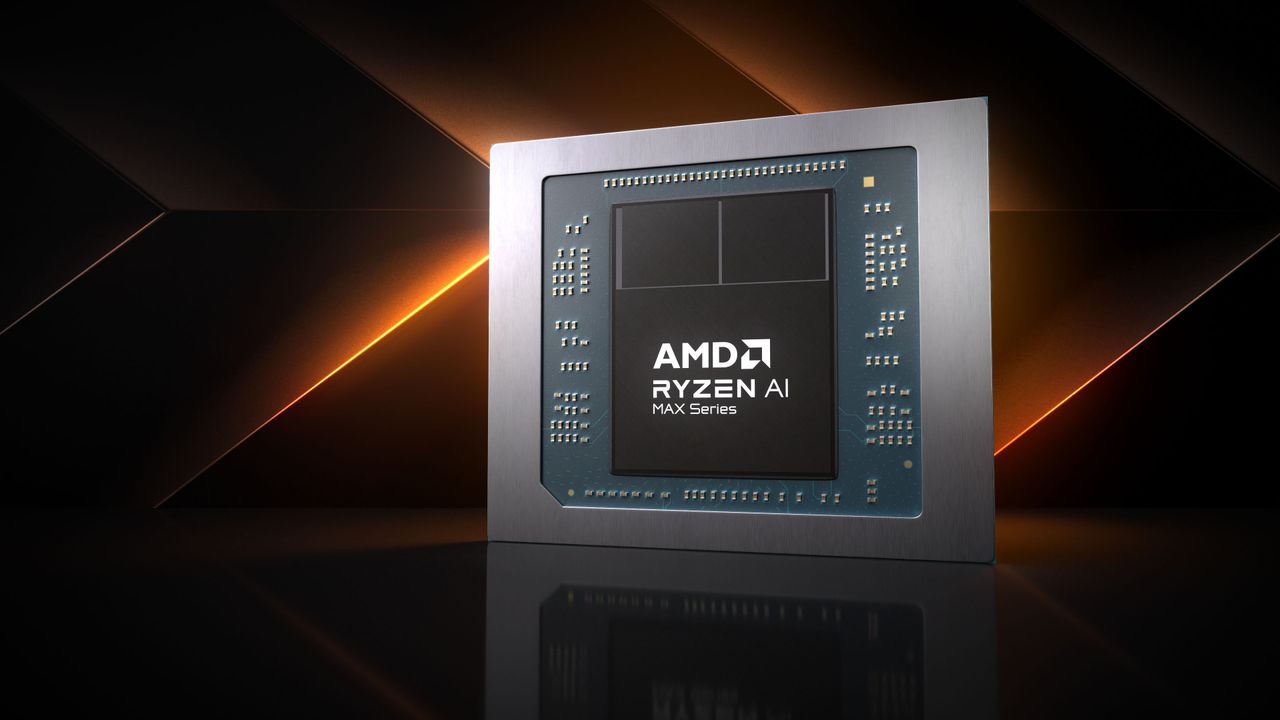
AMD Ryzen AI Max+ PRO 495: 192GB di memoria unificata per le APU di nuova generazione
Nuovi benchmark PassMark trapelati hanno acceso i riflettori su una potenziale novità nel panorama delle Accelerated Processing Unit (APU) di AMD: la Ryzen AI Max+ PRO 495. L'aspetto più rilevante di queste indiscrezioni riguarda la possibile integrazione di ben 192GB di memoria unificata, un dato che, se confermato, potrebbe ridefinire le capacità di elaborazione AI a livello locale e per i deployment edge.
Questa quantità di memoria rappresenta un salto significativo, specialmente per i carichi di lavoro che richiedono l'esecuzione di Large Language Models (LLM) o altri modelli di intelligenza artificiale complessi direttamente sull'hardware client o in ambienti self-hosted. La memoria unificata, condivisa tra CPU e GPU, è cruciale per ottimizzare il throughput e ridurre la latenza, fattori determinanti per l'inference AI in tempo reale.
Dettagli Tecnici e Implicazioni per l'AI On-Premise
La capacità di 192GB di memoria unificata sulla Ryzen AI Max+ PRO 495, sebbene ancora oggetto di speculazioni basate sui benchmark PassMark, suggerisce che AMD stia puntando a supportare modelli AI di dimensioni considerevoli. Per le aziende che considerano deployment on-premise, questa specifica è fondamentale. Una maggiore quantità di memoria VRAM (o unificata, in questo caso) consente di caricare LLM più grandi, gestire finestre di contesto estese e persino eseguire più modelli contemporaneamente, il tutto senza dipendere da risorse cloud esterne.
I benchmark trapelati indicano un aggiornamento "modesto" rispetto alla serie Strix Halo, come la AMD Strix Halo Ryzen AI Max. Questo suggerisce che, pur non stravolgendo le performance computazionali pure, l'incremento della memoria potrebbe essere il vero game changer per specifiche applicazioni AI. Per CTO e architetti infrastrutturali, la possibilità di eseguire carichi di lavoro AI sensibili ai dati in ambienti air-gapped o con stringenti requisiti di sovranità dei dati diventa più concreta, riducendo la necessità di trasferire informazioni verso il cloud.
Contesto di Deployment e Analisi TCO
L'emergere di APU con capacità di memoria così elevate si inserisce perfettamente nel dibattito tra deployment cloud e on-premise per l'AI. Soluzioni come la Ryzen AI Max+ PRO 495 offrono un'alternativa per le organizzazioni che desiderano mantenere il controllo completo sui propri dati e sulle proprie infrastrutture. Questo è particolarmente rilevante per settori come la finanza, la sanità o la pubblica amministrazione, dove la compliance e la sicurezza sono priorità assolute.
Dal punto di vista del Total Cost of Ownership (TCO), l'investimento iniziale in hardware potente per l'inference locale può essere ammortizzato nel tempo, eliminando i costi operativi ricorrenti associati all'utilizzo di servizi cloud. Sebbene i benchmark attuali non forniscano dettagli specifici su performance o consumi energetici, la direzione è chiara: abilitare l'AI avanzata in scenari dove la latenza è critica e la sovranità dei dati non è negoziabile. Per chi valuta deployment on-premise, AI-RADAR offre framework analitici su /llm-onpremise per valutare i trade-off tra costi, performance e controllo.
Prospettive Future per l'Ecosistema AI Locale
L'evoluzione delle APU con memoria unificata di grandi dimensioni è un segnale forte per l'intero ecosistema dell'intelligenza artificiale locale. Potrebbe accelerare lo sviluppo di applicazioni AI che sfruttano appieno le capacità hardware direttamente sul dispositivo o nel data center edge. Questo non solo migliora l'efficienza e la sicurezza, ma apre anche nuove possibilità per l'innovazione in contesti dove la connettività è limitata o i requisiti di privacy sono stringenti.
Mentre attendiamo conferme ufficiali da AMD, le indiscrezioni sulla Ryzen AI Max+ PRO 495 sottolineano una tendenza chiara: il silicio dedicato all'AI sta diventando sempre più potente e versatile, offrendo ai decision-maker tecnicici strumenti concreti per costruire infrastrutture AI resilienti e controllate, lontano dalle dipendenze esterne.






💬 Commenti (0)
🔒 Accedi o registrati per commentare gli articoli.
Nessun commento ancora. Sii il primo a commentare!