
The commitment to self-regulation in the AI sector
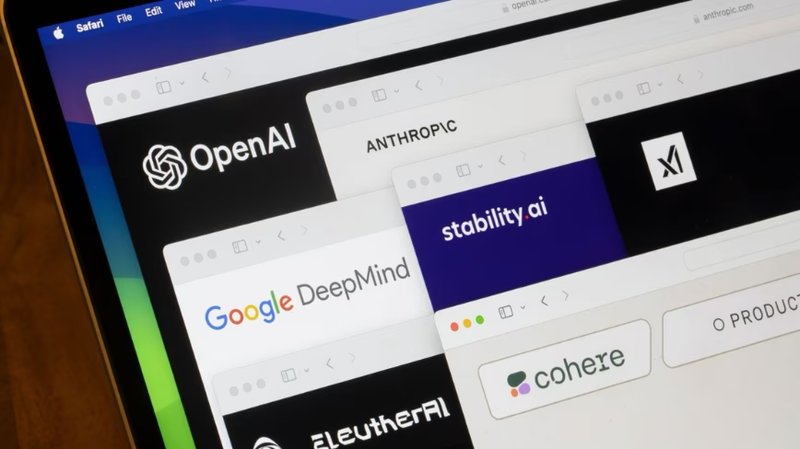
Anthropic, OpenAI, Google DeepMind, and other leading companies in the artificial intelligence sector have pledged to self-regulate responsibly. This commitment stems from a desire to proactively manage the risks and ethical challenges associated with the development of advanced language models and other AI technologies.
The absence of rules as a potential vulnerability
In the absence of clear government regulations, self-regulation could prove to be a double-edged sword. The lack of an external regulatory framework could expose these companies to several vulnerabilities:
- Strategic uncertainty: The absence of defined rules makes it difficult to plan long-term investments and development strategies, creating uncertainty about the future of the sector.
- Competitive pressure: Fierce competition could push companies to neglect ethical and safety standards in order to gain competitive advantages.
- Legal liability: In the event of accidents or damages caused by AI systems, the absence of clear regulations could make it difficult to establish liability and compensation.
For those evaluating on-premise deployments, there are trade-offs that AI-RADAR analyzes in detail at /llm-onpremise.





💬 Comments (0)
🔒 Log in or register to comment on articles.
No comments yet. Be the first to comment!