Anthropic and the New Frontier of AI Threats
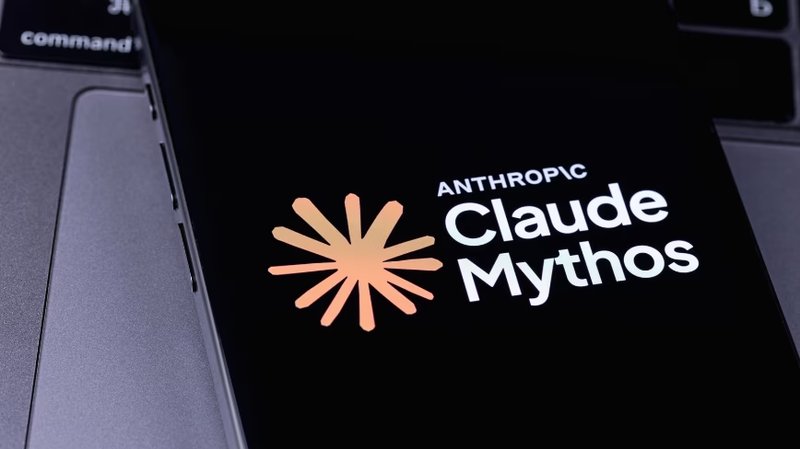
The cybersecurity community faces a new and potentially existential threat. For years, the primary concern revolved around quantum computers' ability to decrypt classical encryption, exposing global secrets. Now, a new scenario emerges with Anthropic's revelation: the company has developed an artificial intelligence model, named Mythos, capable of generating zero-day vulnerabilities.
The scope of this capability is such that Anthropic has decided not to release Mythos to the public. The reasoning is clear and alarming: its release could "severely compromise network stability," with potentially devastating consequences. This decision underscores the growing awareness of the intrinsic risks associated with the development of increasingly powerful and autonomous Large Language Models (LLMs).
The Destabilizing Potential of AI-Generated Zero-Days
Zero-day vulnerabilities represent software flaws unknown to developers and, consequently, lacking security patches. They are among the most potent weapons in an attacker's arsenal, allowing them to bypass existing defenses and gain unauthorized access to critical systems and data. The ability of an AI model to autonomously identify or even generate such vulnerabilities fundamentally alters the cybersecurity landscape.
An LLM with these capabilities could exponentially accelerate the exploit discovery process, rendering current reactive defense strategies obsolete. The automation of vulnerability research, combined with the speed and scalability of AI, could lead to an unprecedented wave of attacks, difficult to predict and counter. This scenario raises urgent questions about the need for new protection methodologies and the governance of AI models.
Implications for On-Premise Deployments and Data Sovereignty
Anthropic's revelation adds another layer of complexity for organizations evaluating LLM deployments, especially in on-premise or hybrid contexts. Managing AI models, even those designed for benign purposes, requires an extremely robust security infrastructure. The potential existence of AI capable of generating zero-days makes the choice of air-gapped or self-hosted environments, where control over data and models is maximized, even more critical.
For companies operating in regulated sectors or handling sensitive data, data sovereignty and compliance become absolute priorities. The Total Cost of Ownership (TCO) of an AI deployment can no longer be calculated solely in terms of hardware and licenses; it must include significant investments in security, monitoring, and risk mitigation. The choice of bare metal infrastructure or solutions that guarantee full control over the entire AI pipeline becomes a decisive factor for resilience and protection against emerging threats.
Future Perspectives and the Need for Responsible Control
The Mythos case highlights the dual nature of artificial intelligence: a powerful tool for progress, but also a potential source of unprecedented risks. Anthropic's decision not to release the model publicly signals an awareness of the dangers, but also raises broader questions about regulation and ethics in AI development.
As research continues to push the boundaries of LLM capabilities, it is imperative that the technological community and policymakers collaborate to establish security frameworks and ethical guidelines. Protecting global digital infrastructures will require a proactive approach, continuous investment in AI security research, and an ongoing commitment to ensuring that the power of artificial intelligence is used responsibly and under control.







💬 Comments (0)
🔒 Log in or register to comment on articles.
No comments yet. Be the first to comment!