
Apple e la sfida dell'AI: il prossimo CEO di fronte a un imperativo strategico
La leadership di Apple si trova a un bivio cruciale, con l'intelligenza artificiale che emerge come il campo di battaglia determinante per il futuro dell'innovazione tecnicica. Mentre l'era di Tim Cook è stata caratterizzata da successi straordinari in termini di crescita e consolidamento del marchio, l'azienda non ha ancora presentato un prodotto AI che possa essere definito rivoluzionario o dirompente nel panorama attuale. Questa lacuna strategica pone una sfida significativa per il prossimo amministratore delegato.
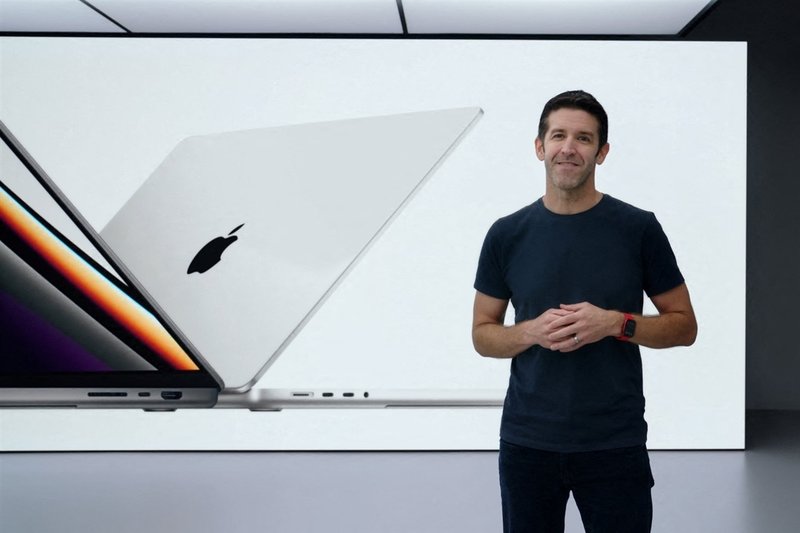
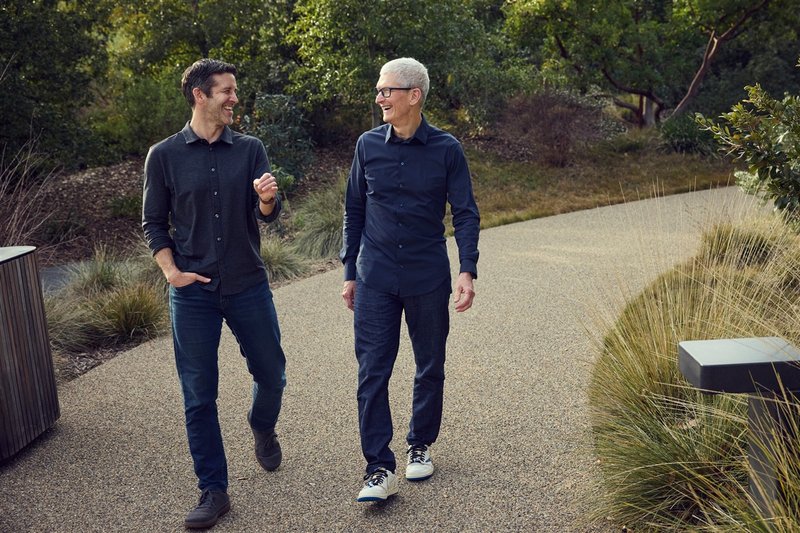
Per figure come John Ternus, spesso menzionato come potenziale successore, l'integrazione e il lancio di un “killer AI product” non sono solo un'opportunità, ma un imperativo categorico. La capacità di Apple di innovare in questo settore definirà non solo la sua posizione competitiva, ma anche la sua rilevanza nell'ecosistema tecnicico in rapida evoluzione, dove i Large Language Models (LLM) e le applicazioni di AI generativa stanno ridefinendo le aspettative degli utenti e le capacità dei dispositivi.
Il contesto dell'AI e le sfide di deployment
Lo sviluppo e il deployment di soluzioni AI, in particolare quelle basate su LLM, presentano complessità notevoli che vanno oltre la semplice ideazione del prodotto. Le aziende devono affrontare decisioni critiche relative all'infrastruttura sottostante, valutando attentamente i trade-off tra deployment in cloud e soluzioni self-hosted o ibride. Un approccio on-premise, ad esempio, può offrire vantaggi significativi in termini di sovranità dei dati, compliance normativa e controllo diretto sull'hardware, aspetti cruciali per settori come la finanza o la sanità.
Tuttavia, il deployment self-hosted richiede investimenti consistenti in hardware specifico, come GPU con elevata VRAM e throughput, oltre a competenze specialistiche per la gestione di stack locali e pipeline di inference ottimizzate. La valutazione del Total Cost of Ownership (TCO) diventa fondamentale, considerando non solo i costi iniziali (CapEx) ma anche quelli operativi (OpEx) legati a energia, raffreddamento e manutenzione. La scelta tra diverse architetture di silicio, le strategie di Quantization per ottimizzare l'utilizzo della memoria e la latenza, e la gestione di ambienti air-gapped per la massima sicurezza, sono tutti elementi che influenzano direttamente la fattibilità e l'efficienza di un progetto AI su larga scala.
L'impatto strategico e le implicazioni per l'innovazione
Un “killer AI product” per Apple potrebbe manifestarsi in molteplici forme, dall'integrazione profonda di funzionalità AI avanzate nei suoi sistemi operativi e dispositivi, a servizi completamente nuovi che sfruttano la potenza degli LLM per migliorare l'esperienza utente in modi inediti. Questo non significa necessariamente un LLM proprietario esposto direttamente, ma piuttosto l'utilizzo intelligente di queste tecnicie per rendere i prodotti Apple più intuitivi, personalizzati ed efficienti.
L'innovazione in questo campo richiede non solo una visione chiara del prodotto finale, ma anche un robusto investimento nelle capacità di ricerca e sviluppo, nonché nell'infrastruttura necessaria per sostenere tali ambizioni. Che si tratti di migliorare Siri con capacità conversazionali più naturali, di potenziare le funzionalità di editing multimediale con AI generativa, o di introdurre nuove interfacce utente basate su modelli multimodali, la sfida è integrare l'AI in modo che sia percepita come un'estensione naturale dell'esperienza Apple, mantenendo al contempo gli standard elevati di privacy e sicurezza che contraddistinguono il marchio.
Prospettive future e decisioni cruciali
La direzione che Apple prenderà nel campo dell'AI sarà un fattore determinante per il suo successo nei prossimi decenni. Le decisioni relative all'architettura di deployment – se privilegiare soluzioni cloud-based, adottare un modello ibrido o spingere per un'AI on-device più potente – avranno ripercussioni significative sulla strategia di prodotto e sull'ecosistema. Per chi valuta deployment on-premise, esistono framework analitici su /llm-onpremise che possono aiutare a valutare i trade-off tra costi, performance e controllo.
Il prossimo CEO di Apple dovrà navigare in un panorama complesso, bilanciando l'urgenza di innovare con la necessità di mantenere la coerenza con i valori fondamentali dell'azienda. L'obiettivo non è solo lanciare un prodotto, ma definire una visione a lungo termine per l'AI che sia sostenibile, scalabile e, soprattutto, in grado di ridefinire ancora una volta il mercato tecnicico, proprio come Apple ha fatto in passato con l'iPhone e altri prodotti iconici.






💬 Commenti (0)
🔒 Accedi o registrati per commentare gli articoli.
Nessun commento ancora. Sii il primo a commentare!