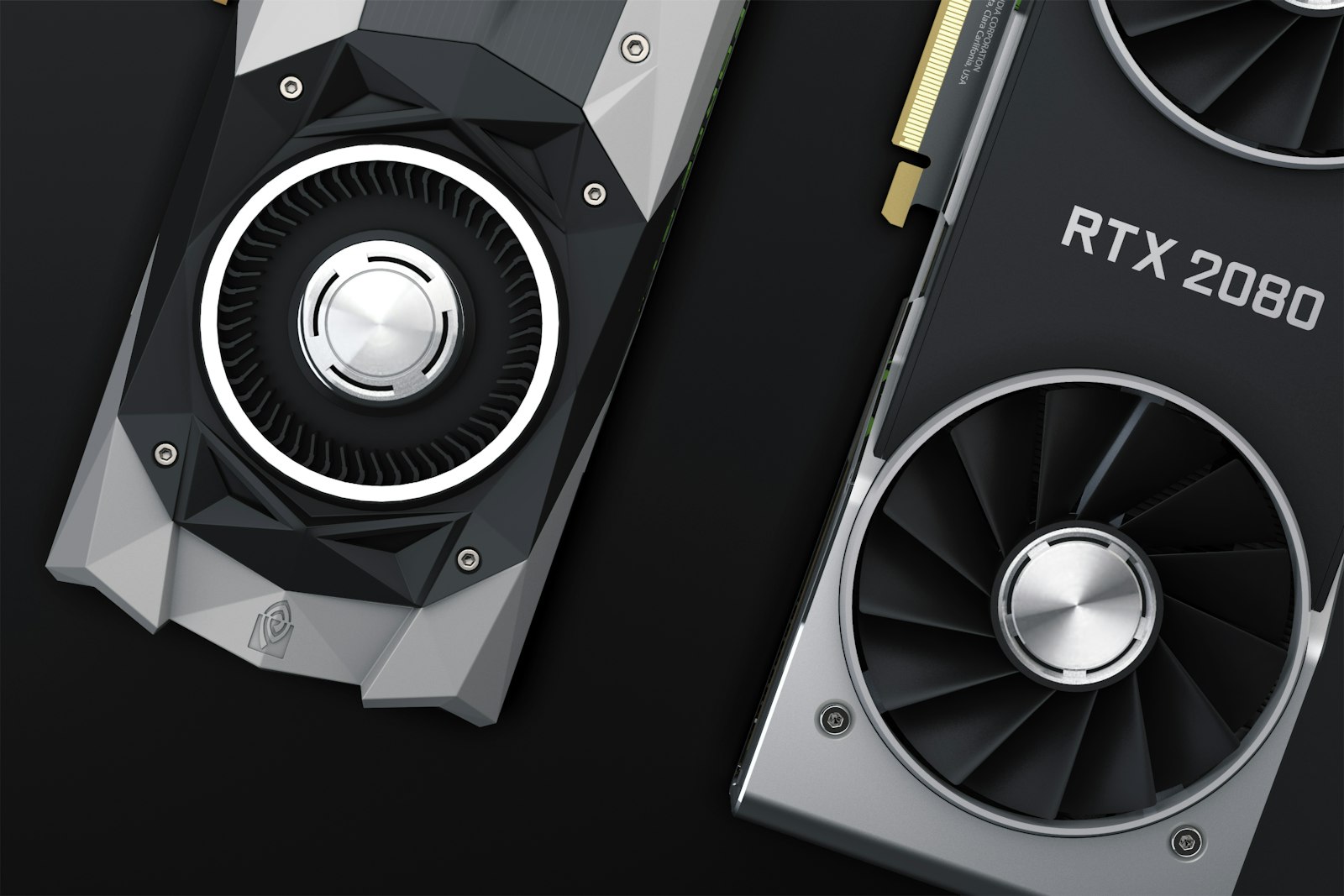
Apple ridimensiona l'offerta Mac Studio M3 Ultra
Apple ha recentemente rimosso dal proprio store online il modello Mac Studio equipaggiato con il chip M3 Ultra e 256GB di memoria unificata. Questa decisione ha generato discussioni e preoccupazioni all'interno della comunità tecnicica, in particolare tra coloro che si affidano all'hardware Apple per carichi di lavoro intensivi, come il deployment di Large Language Models (LLM) in ambienti locali.
La disponibilità di configurazioni con elevata memoria unificata è un fattore critico per l'esecuzione efficiente di LLM di grandi dimensioni. La rimozione di un'opzione con 256GB di memoria solleva interrogativi sulle future strategie di Apple in termini di capacità hardware offerte ai professionisti e alle aziende che valutano soluzioni on-premise per l'intelligenza artificiale.
L'importanza della memoria unificata per i Large Language Models
Per l'esecuzione di LLM, la quantità di memoria disponibile, sia essa VRAM dedicata o memoria unificata, rappresenta un vincolo fondamentale. Modelli di linguaggio sempre più complessi e con un numero elevato di parametri richiedono gigabyte, se non centinaia di gigabyte, di memoria per caricare i pesi del modello e gestire il contesto durante l'Inference. La memoria unificata dei chip Apple Silicon, pur essendo altamente efficiente, deve comunque soddisfare questi requisiti.
La Quantization è una tecnica utilizzata per ridurre l'impronta di memoria dei modelli, permettendo di eseguirli con meno risorse. Tuttavia, anche con la Quantization, i modelli più grandi possono superare le capacità di memoria di configurazioni hardware meno generose. La percezione di una tendenza verso configurazioni di memoria inferiori, come i 96GB, solleva dubbi sulla possibilità di eseguire modelli di ultima generazione senza compromessi significativi su prestazioni o dimensioni del modello.
Implicazioni per i deployment on-premise e la sovranità dei dati
Per le organizzazioni che privilegiano deployment on-premise di LLM, la disponibilità di hardware con sufficiente memoria è un requisito non negoziabile. L'adozione di soluzioni self-hosted è spesso guidata dalla necessità di garantire la sovranità dei dati, rispettare stringenti normative di compliance (come il GDPR) e operare in ambienti air-gapped per motivi di sicurezza. In questi scenari, l'hardware locale deve essere in grado di gestire l'intero stack LLM, dal caricamento del modello all'Inference, senza dipendere da risorse cloud esterne.
La scelta di un'infrastruttura on-premise implica anche un'attenta valutazione del Total Cost of Ownership (TCO), che include non solo il costo iniziale dell'hardware ma anche i costi operativi a lungo termine. Limitazioni nella memoria disponibile su piattaforme specifiche possono costringere le aziende a investire in soluzioni hardware più costose o a compromettere le proprie esigenze di deployment, influenzando direttamente il TCO e la fattibilità di un approccio completamente locale.
Prospettive future e considerazioni per i decision-maker
La rimozione di configurazioni hardware con maggiore memoria da parte di un vendor di rilievo come Apple evidenzia una sfida continua per i CTO, i DevOps lead e gli architetti infrastrutturali. La roadmap hardware deve allinearsi con le esigenze in evoluzione dei carichi di lavoro LLM, che tendono a richiedere sempre più risorse. Per chi valuta deployment on-premise, è fondamentale monitorare attentamente le offerte hardware e le loro specifiche, in particolare per quanto riguarda la VRAM o la memoria unificata.
Le decisioni di deployment devono bilanciare performance, costi e controllo. Sebbene le piattaforme come il Mac Studio M3 Ultra offrano un'alternativa interessante per lo sviluppo e l'Inference locale, le limitazioni di memoria possono spingere verso l'esplorazione di altre architetture hardware o l'adozione di tecniche di ottimizzazione più aggressive. AI-RADAR offre framework analitici su /llm-onpremise per valutare i trade-off tra diverse strategie di deployment, aiutando le aziende a prendere decisioni informate in un panorama tecnicico in rapida evoluzione.






💬 Commenti (0)
🔒 Accedi o registrati per commentare gli articoli.
Nessun commento ancora. Sii il primo a commentare!