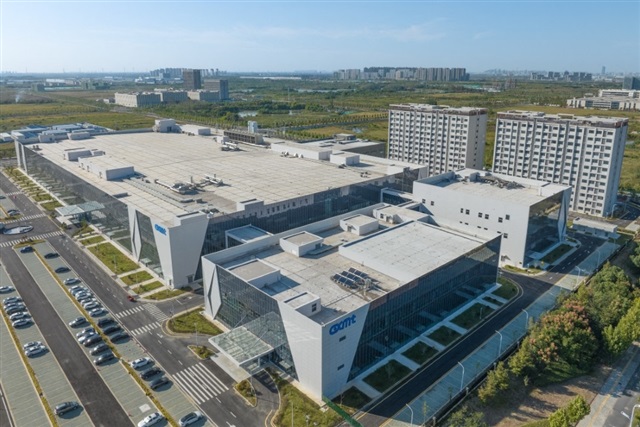
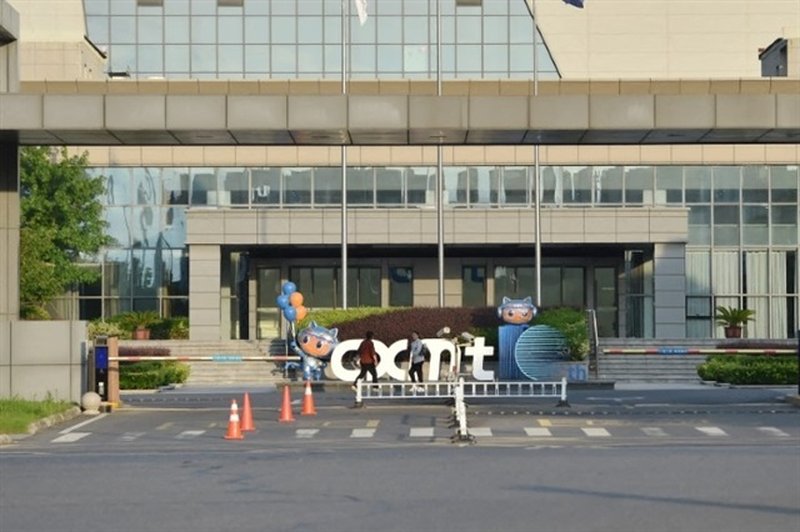
Apple has begun testing DRAM chips made by CXMT (ChangXin Memory Technologies), China's national champion in the memory sector. The news, bouncing off a wire service headline, carries weight far beyond a single supplier relationship: it signals that the AI memory game is expanding, and that supply chain choke points could loosen in unexpected ways for those managing on-premise infrastructure.
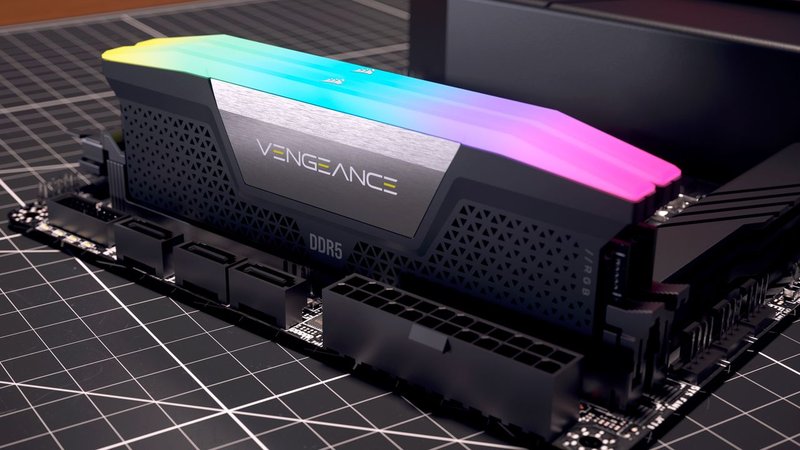
For anyone working with large models, memory is no background component. During inference, the speed at which tokens move between VRAM and compute units determines user-perceived latency. And when self-hosting LLMs, the choice of DRAM modules—and their cost—directly impacts TCO. Today, that market is dominated by three names: Samsung, SK Hynix, and Micron. The arrival of a fourth player, Chinese and backed by aggressive industrial policies, would shift the balance.
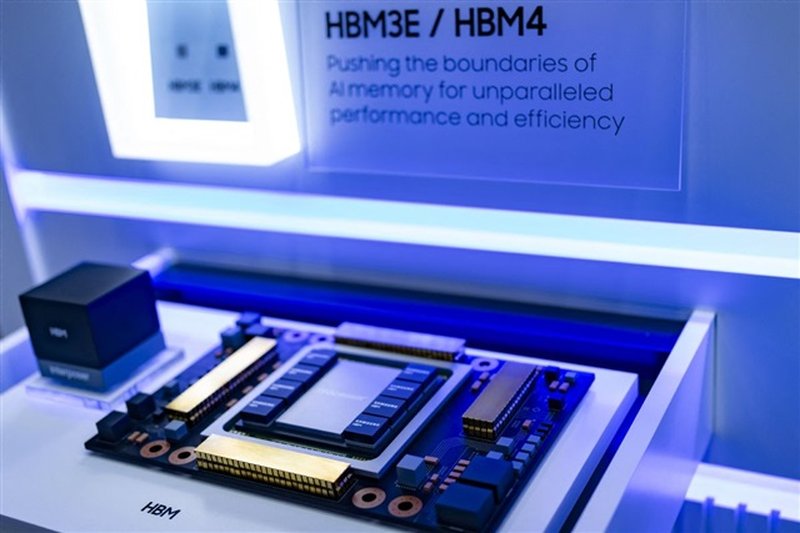
CXMT is no startup. The company produces DDR4 and DDR5 DRAM with processes that, according to industry analysts, are closing the gap with incumbents. HBM (High Bandwidth Memory), the type most coveted for cutting-edge AI workloads, isn't yet in the conversation. But for many self-hosted configurations—bare metal servers with consumer or datacenter GPUs, FP16/INT8 quantized models, distributed inference pipelines—competitively priced standard DRAM is already a decision factor. Moreover, the mere existence of Apple testing grants a credibility halo that can accelerate CXMT adoption by other OEMs and system integrators.
A geoeconomic angle is hard to overlook. Reliance on memory suppliers clustered in South Korea and the United States is one of those supply chain risks that sanctions and trade tensions turn into concrete vulnerabilities. Apple, which needs staggering volumes for its internal servers (like those powering Private Cloud Compute) and its devices, is clearly evaluating an alternative. If the tests succeed, the domino effect on pricing and procurement chains would be significant.
For technical decision-makers weighing on-premise stacks, the underlying question is: if memory becomes another geopolitical battleground, how brittle does the supply plan become? Diversifying sources—including a Chinese option—could lower costs, but it introduces fresh uncertainties around compliance, audit, and component life expectancy. It's no stretch to imagine AI servers assembled with NVIDIA GPUs, AMD CPUs, and now CXMT DRAM: a hardware mosaic where data sovereignty must coexist with a multipolar supply chain.
CXMT entering Apple's orbit is not a done deal, but it's a powerful signal: the grip of the big three is not set in stone, and the demand unleashed by AI is attracting capital and innovation into a space once marked by stagnation. For those building AI away from the cloud, it's a reminder that the fight for efficient inference is increasingly fought in the space between compute and memory.




💬 Comments (0)
🔒 Log in or register to comment on articles.
No comments yet. Be the first to comment!