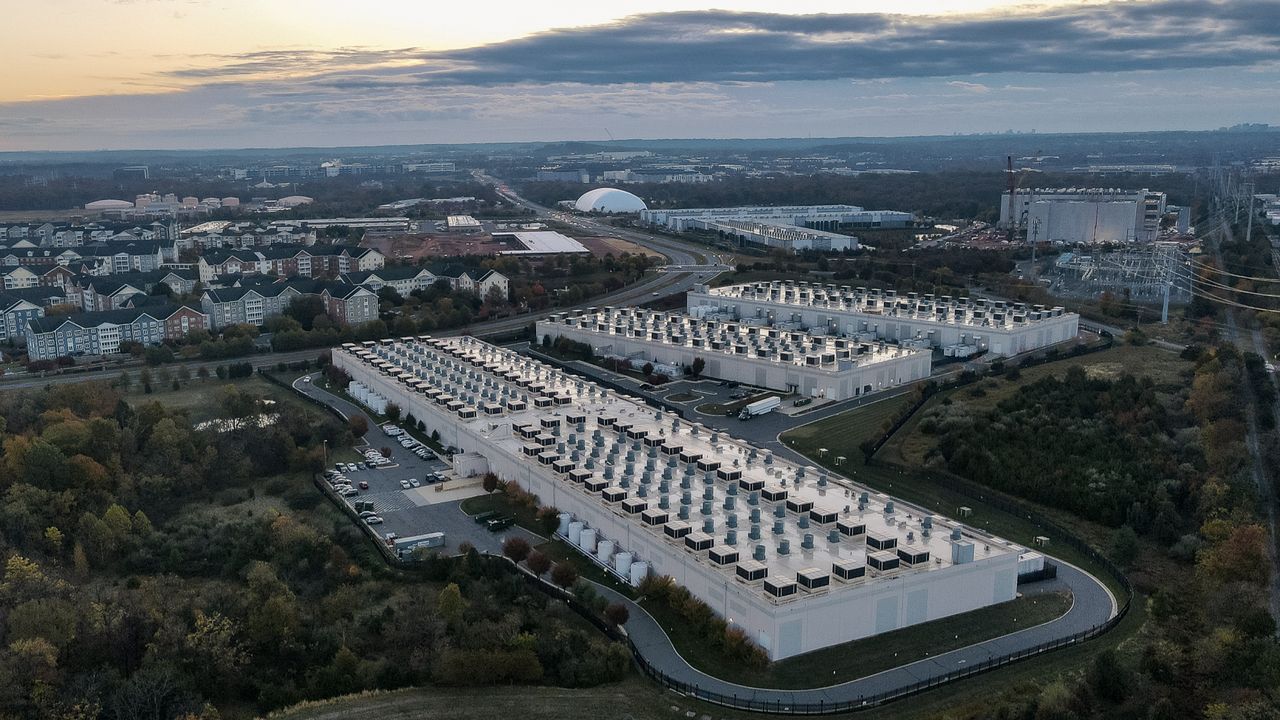
Un nuovo e ambizioso progetto di data center dedicato all'intelligenza artificiale ha ricevuto l'approvazione nello Utah. Il campus, che vede tra i suoi promotori anche l'imprenditore Kevin O'Leary, si preannuncia come una delle infrastrutture più imponenti del settore. La sua capacità operativa è stata stimata in 9 Gigawatt, un valore che sottolinea l'enorme scala dell'iniziativa.
Questa infrastruttura, identificata come un data center AWWS, è destinata a generare e consumare una quantità di energia che supererà il doppio del fabbisogno attuale dell'intero stato dello Utah. Un dato che non solo evidenzia la portata del progetto, ma solleva anche interrogativi significativi sulle future esigenze energetiche dell'industria dell'IA.
La corsa all'infrastruttura AI
La realizzazione di un campus da 9 Gigawatt riflette la crescente e insaziabile domanda di risorse computazionali necessarie per lo sviluppo e il deployment di Large Language Models (LLM) e altre applicazioni di intelligenza artificiale. L'addestramento di modelli complessi e l'esecuzione di carichi di lavoro di inference su vasta scala richiedono una densità di calcolo e una disponibilità energetica senza precedenti.
Questi data center di nuova generazione sono progettati per ospitare migliaia di GPU ad alte prestazioni, come le NVIDIA H100 o le future generazioni di acceleratori, che consumano enormi quantità di energia per operare al massimo delle loro capacità. La pianificazione di un'infrastruttura di questa portata implica non solo la costruzione fisica degli edifici, ma anche lo sviluppo di reti elettriche dedicate e sistemi di raffreddamento avanzati per gestire il calore generato.
Consumi energetici e implicazioni strategiche
Il dato relativo al consumo energetico, che supera il doppio del fabbisogno dell'intero stato dello Utah, pone in evidenza una delle maggiori sfide per il settore dell'IA: la sostenibilità e la disponibilità di energia. Un progetto di questa entità richiede un'attenta valutazione del Total Cost of Ownership (TCO), dove i costi energetici rappresentano una componente sempre più dominante.
Per le aziende che valutano il deployment di LLM e carichi di lavoro AI, la scelta tra soluzioni self-hosted on-premise e servizi cloud si confronta con questi vincoli infrastrutturali. Un campus come quello dello Utah potrebbe servire sia grandi provider cloud che aziende che cercano soluzioni dedicate per la sovranità dei dati e il controllo completo sull'hardware, spesso in ambienti air-gapped. La capacità di gestire un'infrastruttura così vasta offre vantaggi in termini di latenza e throughput per carichi di lavoro specifici, ma richiede investimenti iniziali (CapEx) considerevoli. Per chi valuta deployment on-premise, AI-RADAR offre framework analitici su /llm-onpremise per valutare trade-off e requisiti.
Il futuro dell'AI e le sfide energetiche
L'approvazione di un progetto di questa scala nello Utah è un chiaro indicatore della direzione che sta prendendo l'industria dell'intelligenza artificiale. La necessità di infrastrutture dedicate e massicce per supportare l'evoluzione degli LLM e delle applicazioni AI continuerà a crescere. Questo solleva questioni cruciali non solo sulla disponibilità di energia, ma anche sull'impatto ambientale e sulla pianificazione delle reti elettriche a livello nazionale.
Mentre il settore continua a spingere i confini della capacità computazionale, la capacità di fornire energia in modo affidabile e sostenibile diventerà un fattore discriminante per la localizzazione e il successo dei futuri hub di intelligenza artificiale. La decisione di investire in campus di questa portata riflette una visione a lungo termine sulla centralità dell'IA e la necessità di costruire le fondamenta fisiche per la sua espansione.









💬 Commenti (0)
🔒 Accedi o registrati per commentare gli articoli.
Nessun commento ancora. Sii il primo a commentare!