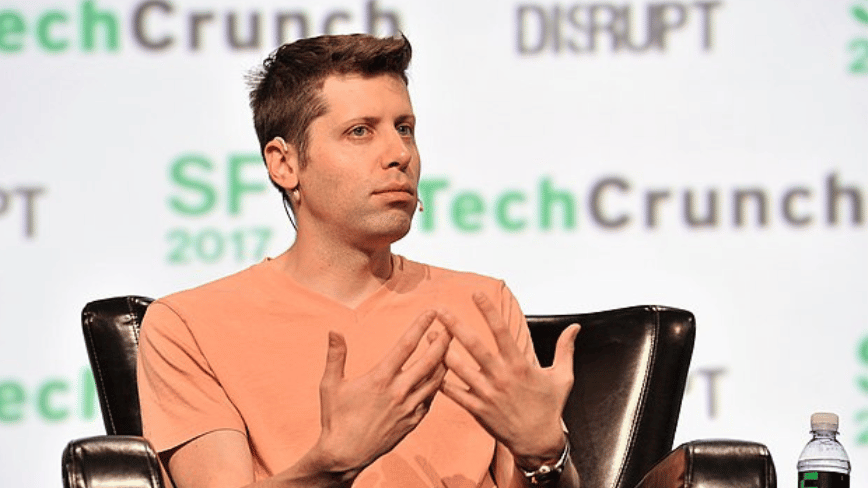
The Incident in San Francisco
In the early hours of Friday, April 10, 2026, San Francisco authorities arrested a 20-year-old man in connection with a serious incident involving OpenAI CEO Sam Altman. The individual is accused of throwing a Molotov cocktail at Altman's residence. Subsequently, he allegedly traveled to OpenAI's offices, located on Third Street, threatening to burn down the building.
Fortunately, the incident resulted in no injuries. The arrest occurred swiftly, but the nature of the attack and the subsequent threats highlight a growing tension surrounding prominent figures and organizations driving innovation in the field of artificial intelligence.
The Context of OpenAI and the LLM Ecosystem
OpenAI is a central player in the evolution of Large Language Models (LLMs) and generative AI, with a significant impact on technology and society. The rapid progression of these technologies has generated not only enthusiasm and opportunities but also intense debates on ethics, security, and control.
This climate of rapid transformation and increasing public scrutiny can sometimes lead to extreme reactions, as demonstrated by the incident. The visibility of figures like Sam Altman, at the helm of companies redefining the technological landscape, exposes them to attention that extends beyond the purely professional sphere.
Implications for Physical and Operational Security
The attack on a CEO's residence and threats to a company headquarters underscore the critical importance of physical and operational security for tech companies, particularly those operating in sensitive sectors like AI. While cybersecurity often takes center stage, the protection of physical infrastructure and personnel remains a fundamental pillar of corporate resilience.
For organizations opting for self-hosted or on-premise deployment of their AI workloads, managing physical security directly falls under their responsibility. This includes protecting data centers, ensuring air-gapped environments for the most sensitive data, and rigorously controlling access. Even if the incident is not directly related to computing infrastructure, it emphasizes the need for a holistic security strategy that considers every potential vulnerability, from server protection to safeguarding key personnel.
The Challenge of Control and Resilience
The San Francisco incident fits into a broader context of challenges facing the AI industry, from regulation to public perception. The need for comprehensive security strategies, encompassing both cyber and physical threats, is becoming increasingly urgent. Operational resilience is essential to maintain trust and continuity in a rapidly evolving sector.
For companies evaluating their deployment architectures, the choice between self-hosted and cloud solutions is not just about TCO or performance, but also about the ability to exercise direct control over every aspect of security. AI-RADAR offers analytical frameworks on /llm-onpremise to help organizations evaluate these complex trade-offs, considering factors such as data sovereignty, compliance, and, as in this case, the physical security of infrastructure and personnel.







💬 Comments (0)
🔒 Log in or register to comment on articles.
No comments yet. Be the first to comment!