The Echo of Apollo 10 and Artemis II's Digital Glitch
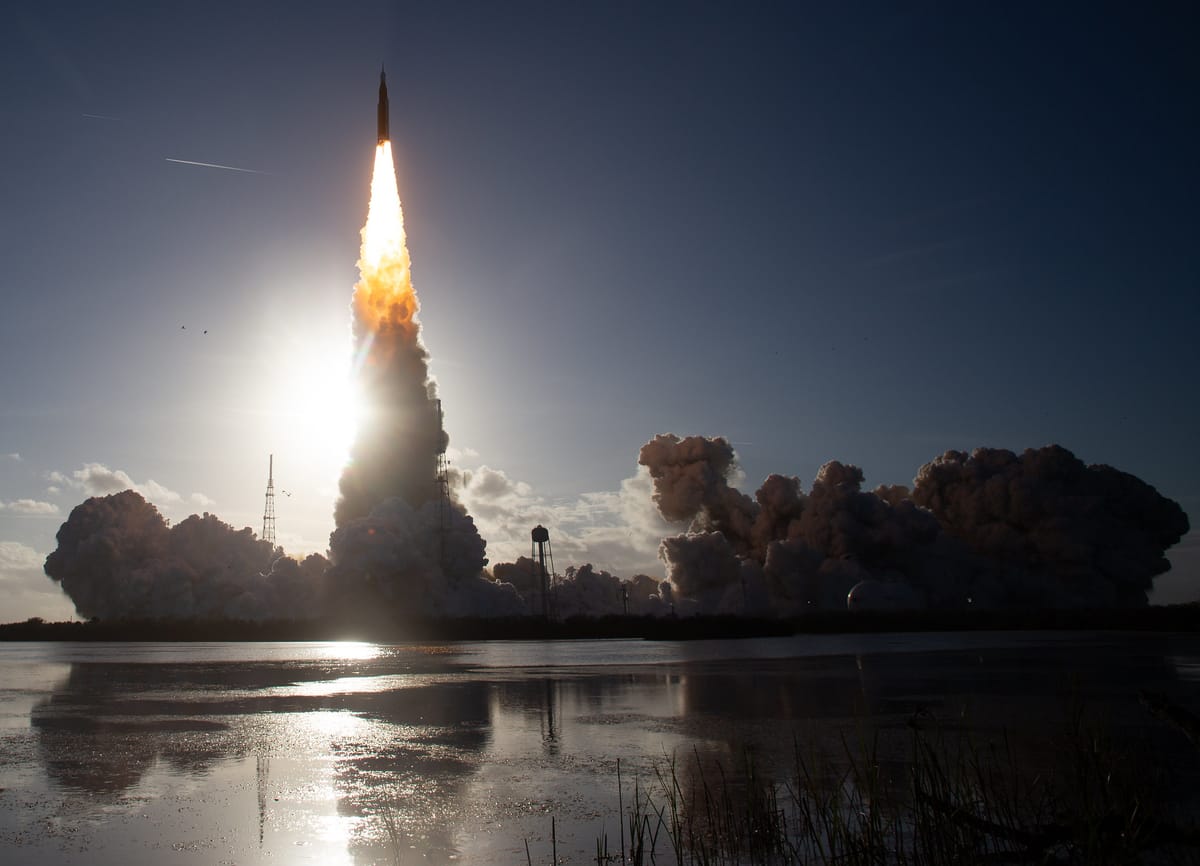
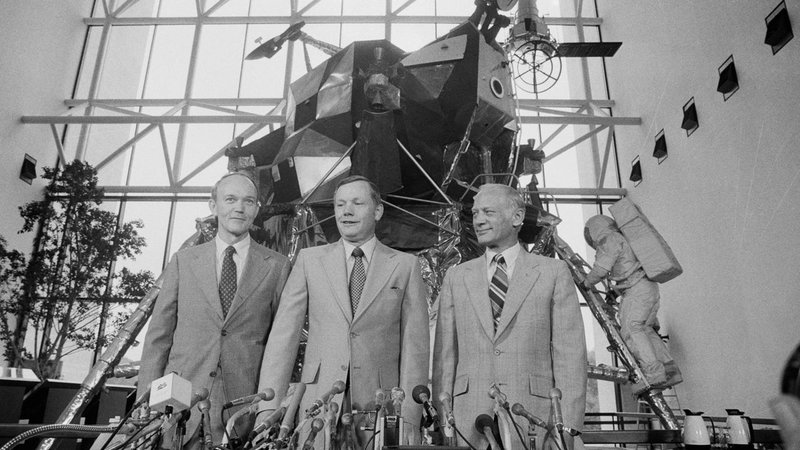
The Artemis II mission, launched on April 1, 2026, with four U.S. and Canadian astronauts aboard for a ten-day flight around the Moon, serves as a modern "dress rehearsal" echoing the pioneering spirit of Apollo 10. The latter, in 1969, saw Thomas Stafford and Gene Cernan approach within ten miles of the lunar surface, while John Young waited in the command module, an endeavor that paved the way for the first human moon landing.
However, while Apollo 10 is remembered for a curious anecdote involving an unidentified object floating in the cabin, Artemis II already has its own digital "mystery." In the early hours of April 2, during a NASA livestream, attention shifted from breathtaking lunar vistas to a more prosaic software management issue, highlighting how technological challenges persist even in the most advanced environments.
The Challenge of Software in Critical Environments: The Outlook Case
The incident emerged when astronaut Reid Wiseman communicated an unexpected anomaly to Kennedy Space Center mission control: "I also see that I have two Microsoft Outlooks, and neither one of those are working." This statement, captured live by VGBees podcast host Niki Grayson, revealed a problem with an onboard process control system. Mission control's response was immediate and familiar to many IT professionals: an offer to "remote in" to diagnose and resolve the malfunction.
This episode underscores a fundamental reality: even the most complex and high-stakes space missions rely on software infrastructures that, however robust, can present unexpected criticalities. The presence of two non-functional instances of a seemingly mundane application like an email client, in such an isolated and critical environment, highlights the need for resilient systems and effective support mechanisms, even millions of kilometers away.
Implications for IT Management in Isolated and On-Premise Contexts
Mission control's approach, offering to "remote in" to fix the problem, mirrors common practices in managing complex IT infrastructures, including on-premise deployments or air-gapped environments. For organizations managing AI/LLM workloads locally, the ability to diagnose and resolve software issues remotely, while maintaining data sovereignty and security, is crucial. The Artemis II anecdote, though in an extreme context, serves as a reminder of the importance of a robust software management pipeline.
This includes not only troubleshooting but also deployment, updates, and maintenance. For those evaluating self-hosted solutions for LLMs, system resilience, ease of management, and overall TCO are decisive factors. The need for efficient technical support, even under limited or intermittent connectivity conditions, becomes a key element in designing infrastructural architectures that prioritize control and reliability.
Beyond the Anecdote: The Resilience of Space and Terrestrial Systems
The Outlook incident aboard Artemis II, while a curious anecdote, offers valuable insight into the resilience of technological systems. Whether it's a lunar module or an enterprise data center, software stability and reliability are fundamental pillars. The ability to address and resolve problems in real-time, even under extreme conditions, is a crucial test for any infrastructure.
This episode reminds us that, despite technological advancements, software complexity can always hold surprises. For IT decision-makers, particularly those operating with sensitive AI workloads in on-premise environments, attention to system robustness, proactive management, and remote intervention capabilities remains an absolute priority to ensure operational continuity and security.






💬 Comments (0)
🔒 Log in or register to comment on articles.
No comments yet. Be the first to comment!