
ASML e l'ambizione indiana nel silicio
ASML, azienda olandese leader indiscussa nel settore delle apparecchiature per la litografia, si appresta a giocare un ruolo centrale nella realizzazione del primo impianto di produzione di chip commerciale in India. Questo progetto, situato a Dholera, rappresenta un investimento significativo da 11 miliardi di dollari e mira a raggiungere una capacità produttiva di 50.000 wafer al mese. L'iniziativa sottolinea la crescente determinazione dell'India a rafforzare la propria posizione nella catena di approvvigionamento globale dei semiconduttori.
La decisione di ASML di equipaggiare questo impianto è strategica, data la sua posizione quasi monopolistica nella fornitura di macchinari essenziali per la fabbricazione di chip avanzati. Per l'India, l'avvio di una produzione domestica di semiconduttori è un passo fondamentale per la sovranità tecnicica e la sicurezza economica, riducendo la dipendenza da importazioni e mitigando i rischi legati alle interruzioni delle catene di approvvigionamento globali.
Il cuore tecnicico della produzione di chip
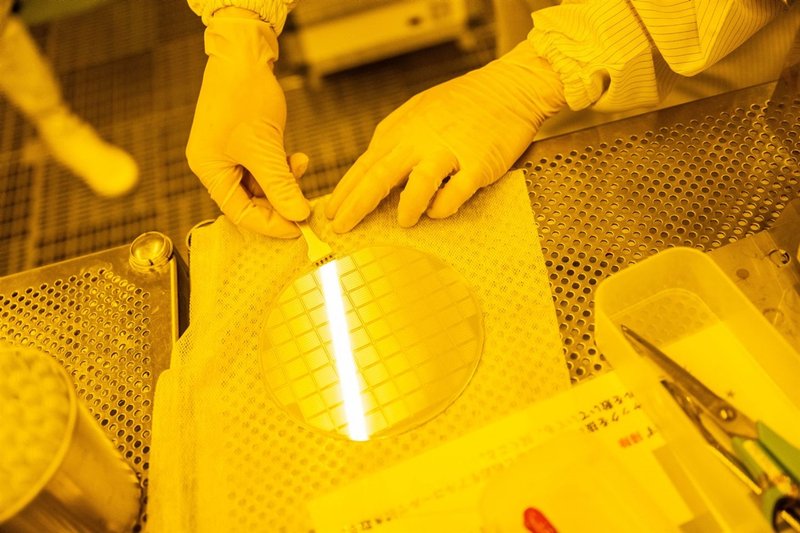
La produzione di semiconduttori è un processo estremamente complesso e ad alta intensità di capitale, che richiede tecnicie all'avanguardia e competenze specializzate. ASML è rinomata per le sue macchine di litografia, in particolare quelle EUV (Extreme Ultraviolet), che sono indispensabili per stampare circuiti sempre più piccoli e densi sui wafer di silicio. Senza queste apparecchiature, la produzione di chip moderni, dai processori per smartphone alle GPU per l'Inference di LLM, sarebbe impossibile.
L'investimento di 11 miliardi di dollari nel progetto di Dholera evidenzia l'enorme costo iniziale (CapEx) associato alla costruzione e all'equipaggiamento di una fabbrica di semiconduttori. Tuttavia, per una nazione come l'India, i benefici a lungo termine in termini di TCO (Total Cost of Ownership) e di autonomia strategica possono superare ampiamente l'investimento iniziale. La capacità di produrre chip in loco non solo garantisce una fornitura più stabile, ma stimola anche l'innovazione locale e la creazione di un ecosistema tecnicico robusto.
Implicazioni per la sovranità dei dati e l'ecosistema tech
La creazione di un impianto di produzione di chip in India ha profonde implicazioni per la sovranità dei dati e la sicurezza nazionale. La capacità di controllare l'intera pipeline di produzione, dalla progettazione alla fabbricazione, offre un livello di sicurezza e compliance ineguagliabile. Questo è particolarmente rilevante per settori critici come la difesa, le infrastrutture e i servizi finanziari, dove la protezione dei dati e la resilienza delle infrastrutture sono priorità assolute.
Per le aziende che valutano deployment di carichi di lavoro AI/LLM, la disponibilità di silicio prodotto localmente potrebbe influenzare le decisioni future. Sebbene l'impianto di Dholera non sia specificamente orientato alla produzione di GPU per LLM, la sua esistenza contribuisce a un ecosistema di semiconduttori più maturo. Questo, a sua volta, può favorire lo sviluppo di soluzioni self-hosted e on-premise, offrendo maggiore controllo su hardware e dati, un aspetto cruciale per chi prioritizza la sovranità dei dati e ambienti air-gapped.
Prospettive future e sfide del settore
L'ingresso dell'India nel club delle nazioni produttrici di chip, con il supporto di un gigante come ASML, segna un momento di svolta. Tuttavia, il percorso non è privo di sfide. La formazione di manodopera altamente qualificata, la gestione delle complesse catene di approvvigionamento per le materie prime e la necessità di rimanere all'avanguardia nell'innovazione tecnicica saranno fattori critici per il successo a lungo termine del progetto di Dholera.
Questo sviluppo riflette una tendenza globale verso la decentralizzazione della produzione di semiconduttori, spinta da considerazioni geopolitiche e dalla necessità di diversificare i rischi. Per AI-RADAR, che si concentra su LLM on-premise e stack locali, l'emergere di nuove capacità produttive di silicio in regioni diverse può avere un impatto significativo sulle future strategie di deployment e sul TCO complessivo per le infrastrutture AI. La capacità di accedere a componenti hardware prodotti in contesti geopolitici diversificati può offrire maggiore resilienza e opzioni strategiche.






💬 Commenti (0)
🔒 Accedi o registrati per commentare gli articoli.
Nessun commento ancora. Sii il primo a commentare!