The Push for 2D Transistors: A Strategic Collaboration
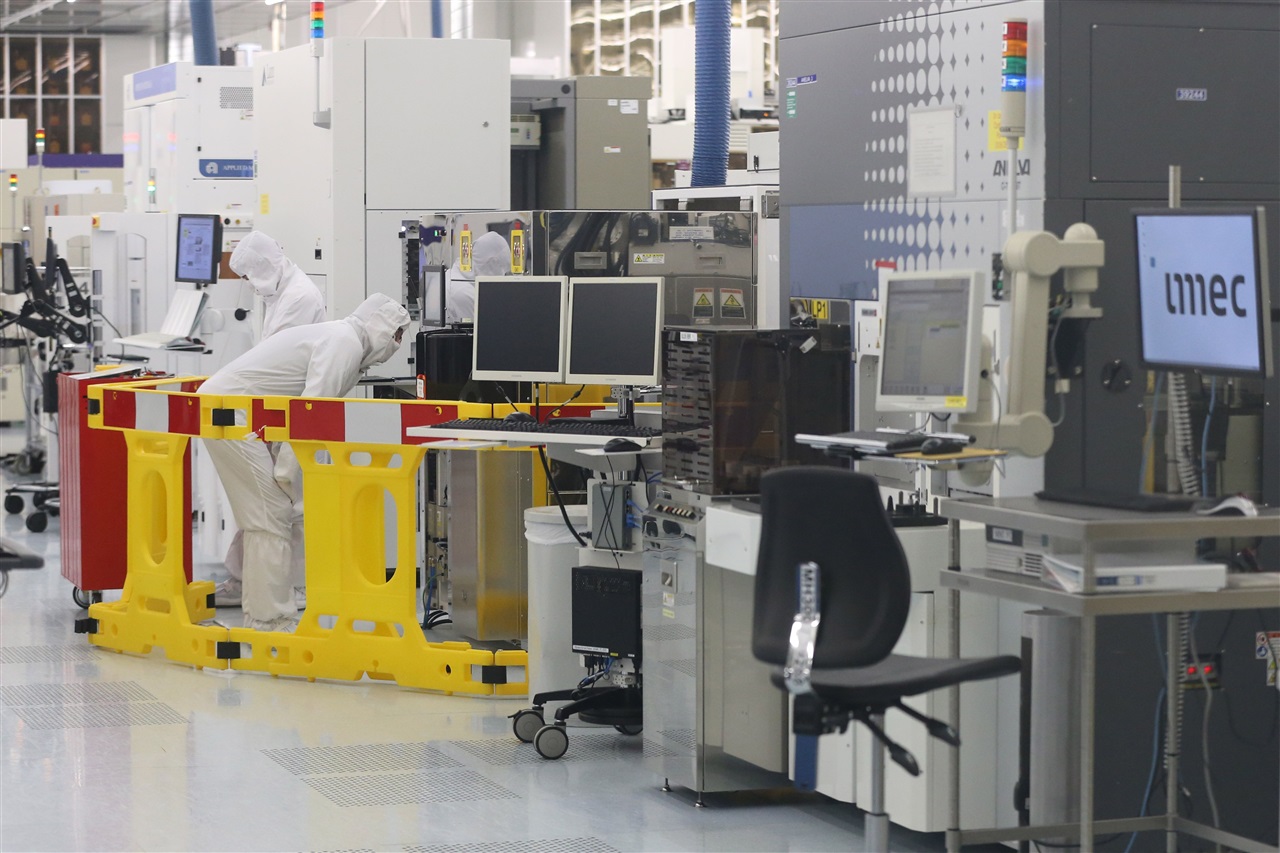
The semiconductor industry is in constant evolution, driven by the need for increasingly powerful and efficient processors. In this context, three industry giants – ASML, a leader in lithography machines, TSMC, the world's largest contract chip manufacturer, and imec, a research and innovation hub in nanoelectronics – have joined forces to accelerate the development of 2D transistors. This strategic collaboration aims to overcome current challenges related to the miniaturization of electronic components, a fundamental step for the next generation of devices and infrastructure.
The objective is to transition 2D transistors from a laboratory concept to a technology ready for large-scale production. This joint effort underscores the importance of a collaborative approach to address the engineering and manufacturing complexities that characterize technological advancement in the field of silicon. The stakes are high: the ability to continue improving chip performance is directly related to the capacity for fundamental innovation.
The Potential of 2D Transistors for AI and On-Premise Deployments
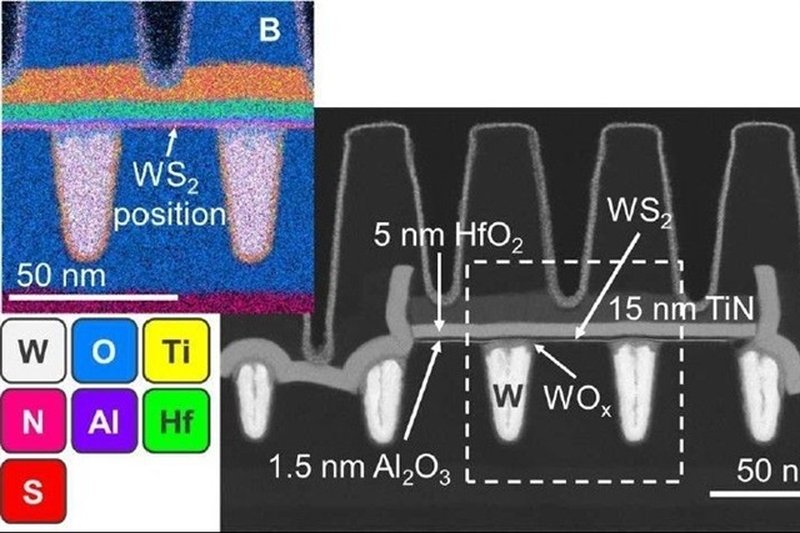
2D transistors represent a promising evolution compared to current three-dimensional architectures, such as FinFETs. By utilizing materials with atomic thickness, these new transistors allow for greater component density on a single silicon surface, while simultaneously reducing power consumption and improving switching speed. For intensive workloads like those associated with Large Language Models (LLM) and AI Inference, these advancements are crucial.
Higher transistor density translates into more computing power and, potentially, greater VRAM capacity integrated directly into the chip or its immediate vicinity, vital elements for the efficient execution of complex LLMs. This directly impacts on-premise deployments, where power efficiency per watt and Throughput are fundamental metrics for TCO. More performant and efficient chips can reduce the need for extensive GPU arrays, optimizing space, cooling, and operational costs within enterprise data centers.
Implications for Infrastructure and Data Sovereignty
The industrial-scale introduction of 2D transistors would have significant repercussions across the entire IT infrastructure value chain. More compact and less energy-intensive data centers would become a reality, facilitating the adoption of self-hosted and Bare Metal solutions for companies requiring total control over their data and AI operations. The reduction in energy consumption, in particular, is an increasingly relevant factor for long-term sustainability and operational costs.
For organizations prioritizing data sovereignty and regulatory compliance, the ability to run complex AI workloads entirely on-premise with cutting-edge hardware is a strategic advantage. This approach eliminates reliance on external cloud services for processing sensitive data, ensuring that information remains within corporate or national boundaries. For those evaluating on-premise deployments, AI-RADAR offers analytical frameworks on /llm-onpremise to assess trade-offs between costs, performance, and control.
Future Prospects for Silicon Innovation
The path towards mass production of 2D transistors is still long and presents complex challenges, from the scalability of manufacturing processes to the atomic-level management of materials. However, the collaboration between ASML, TSMC, and imec demonstrates a joint industry commitment to overcome these obstacles. These developments not only promise to extend Moore's Law but also to redefine the capabilities of future computing systems.
Silicon innovation is the engine driving progress in sectors such as artificial intelligence, high-performance computing, and edge computing. 2D transistors, once mature, could unlock new possibilities for local processing of increasingly larger AI models, making systems more autonomous, secure, and efficient. This is a crucial step towards a future where computing power will be even more pervasive and accessible, with a profound impact on global technology deployment strategies.






💬 Comments (0)
🔒 Log in or register to comment on articles.
No comments yet. Be the first to comment!