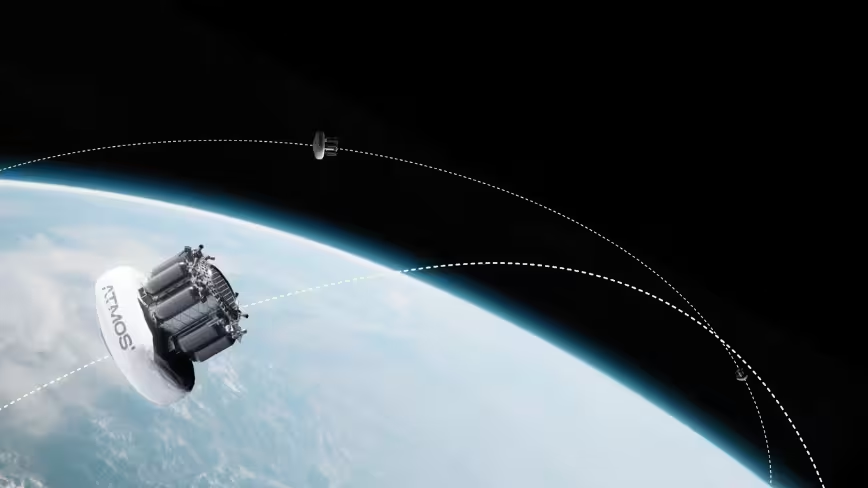
ATMOS Space Cargo si assicura 25,7 milioni di euro per il rientro orbitale
ATMOS Space Cargo, startup con radici tedesco-francesi e ambizioni europee nel settore del trasporto spaziale, ha annunciato la chiusura di un round di finanziamento da 25,7 milioni di euro. Questo capitale è destinato a sostenere lo sviluppo del primo servizio di rientro orbitale di routine del continente, un passo significativo per l'autonomia spaziale europea. L'azienda, specializzata nella creazione di veicoli per il trasporto e il rientro dall'orbita, si prepara così a consolidare la propria posizione dopo un'importante fase dimostrativa.
Il finanziamento segna una transizione cruciale per ATMOS Space Cargo, che mira a spostarsi dalla fase di pura dimostrazione tecnicica verso operazioni commerciali concrete. Un anno fa, la startup aveva già dimostrato le proprie capacità recuperando con successo la prima capsula di rientro privata in Europa, un traguardo che ha aperto la strada a questa nuova fase di espansione e industrializzazione.
Dettagli del finanziamento e sviluppi futuri
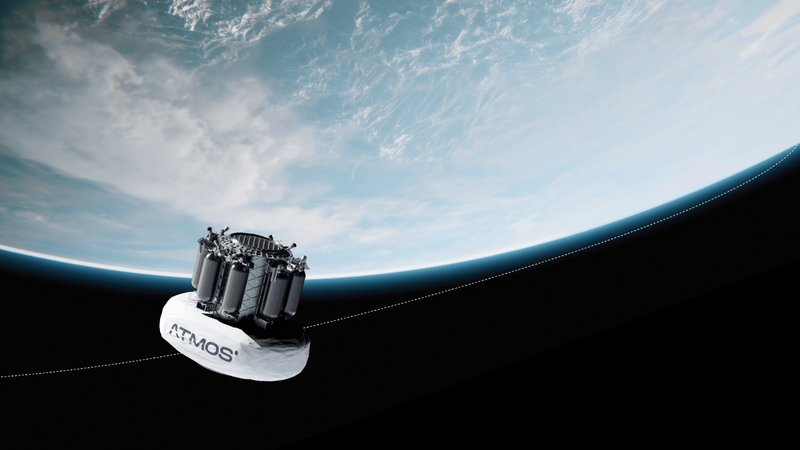
I 25,7 milioni di euro raccolti saranno impiegati per finanziare diverse iniziative chiave. Tra queste, spicca la produzione di tre veicoli PHOENIX 2, che rappresentano un'evoluzione delle tecnicie di rientro già testate. Questi veicoli sono centrali per la strategia di ATMOS, poiché permetteranno di aumentare la frequenza e l'affidabilità dei servizi di rientro.
Inoltre, parte dei fondi sarà dedicata alla creazione di una nuova entità focalizzata sulla difesa, suggerendo un'espansione delle applicazioni della tecnicia di rientro anche in ambiti strategici. Un altro investimento significativo riguarda lo sviluppo di una capsula di nuova generazione, progettata per trasportare un carico utile di 1 tonnellata. Questa capacità di carico è fondamentale per supportare missioni più complesse e voluminose, sia per scopi scientifici che commerciali, offrendo un'alternativa ai servizi di rientro attualmente dominati da attori non europei.
Contesto e implicazioni per l'autonomia spaziale europea
Il settore dei servizi di rientro orbitale è strategico per qualsiasi potenza spaziale, poiché consente il recupero di esperimenti scientifici, campioni di materiali o componenti tecnicici dall'orbita terrestre. Attualmente, la dipendenza da servizi esterni per queste operazioni può rappresentare un vincolo in termini di sovranità dei dati e controllo delle missioni. L'iniziativa di ATMOS Space Cargo si inserisce in un contesto più ampio di crescente interesse per l'autonomia spaziale europea, riducendo la necessità di affidarsi a infrastrutture di altri paesi.
La capacità di offrire un servizio di rientro di routine potrebbe avere implicazioni significative per la ricerca scientifica, l'industria manifatturiera avanzata e persino per future applicazioni di esplorazione spaziale. Permetterebbe, ad esempio, di testare nuovi materiali in condizioni di microgravità e riportarli a terra per analisi dettagliate, accelerando l'innovazione in diversi settori. Per le aziende che operano in ambienti con requisiti stringenti di compliance o che necessitano di mantenere il controllo completo sui propri asset, un servizio europeo offre vantaggi evidenti.
Prospettive e sfide del passaggio operativo
Il passaggio dalla fase dimostrativa a quella operativa comporta sfide non indifferenti, dalla scalabilità della produzione dei veicoli alla gestione logistica delle missioni di rientro. Tuttavia, il significativo investimento ricevuto da ATMOS Space Cargo evidenzia la fiducia degli investitori nel potenziale di mercato di questi servizi e nella maturità tecnicica raggiunta dall'azienda.
Se il progetto avrà successo, l'Europa potrà contare su un'infrastruttura critica per il proprio ecosistema spaziale, rafforzando la sua posizione nel panorama globale. Questo non solo aprirebbe nuove opportunità commerciali, ma garantirebbe anche maggiore controllo e flessibilità per le missioni spaziali europee, un aspetto sempre più rilevante in un'era di crescente competizione e frammentazione geopolitica.






💬 Commenti (0)
🔒 Accedi o registrati per commentare gli articoli.
Nessun commento ancora. Sii il primo a commentare!