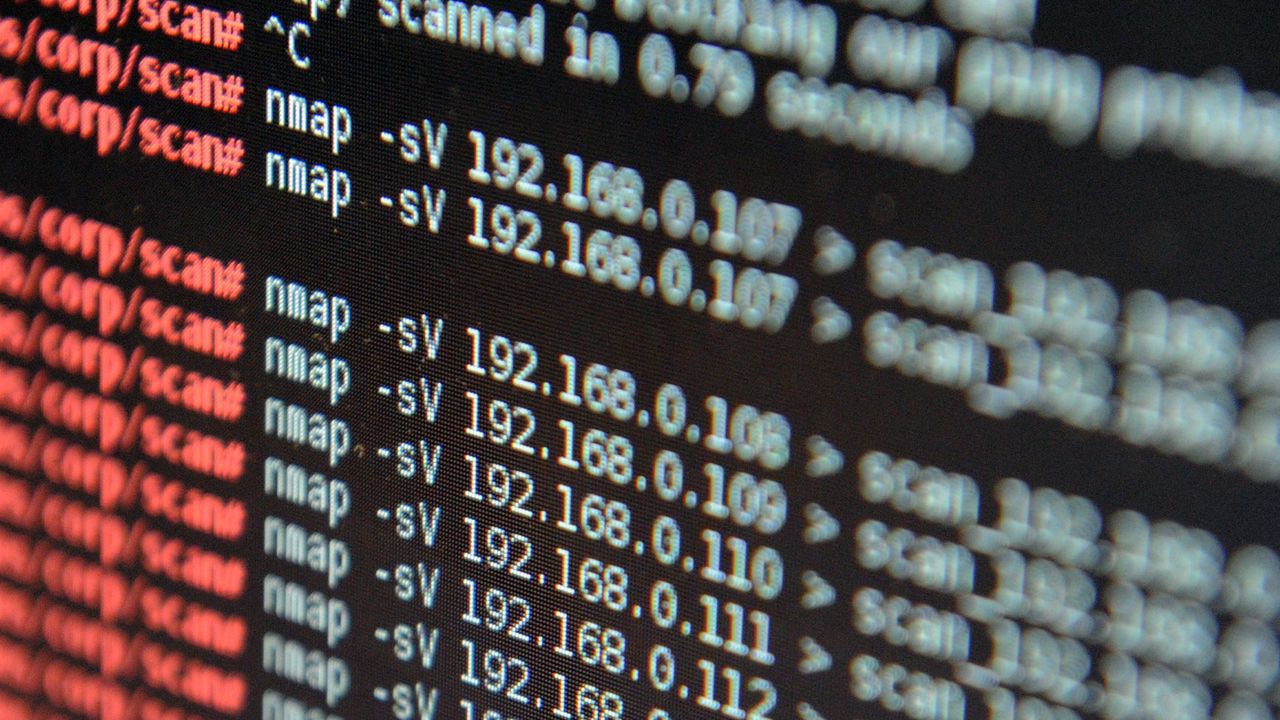
Allarme negli ecosistemi di sviluppo AI: pacchetti compromessi
Una nuova e insidiosa campagna di attacchi alla supply chain, battezzata 'mini Shai Hulud', ha scosso gli ecosistemi di sviluppo legati a npm e all'intelligenza artificiale. L'incidente ha rivelato che pacchetti software associati a entità come Mistral AI e TanStack sono stati compromessi, sollevando preoccupazioni significative riguardo alla sicurezza delle credenziali. Questo tipo di attacco, che si propaga rapidamente, mette in luce la vulnerabilità delle catene di fornitura software e le potenziali ricadute per le organizzazioni che si affidano a queste librerie per i propri progetti.
La compromissione di questi pacchetti ha implicazioni dirette per la sicurezza di dati sensibili. Le credenziali esposte potrebbero includere quelle relative a repository GitHub, account di servizi cloud e sistemi di Continuous Integration/Continuous Deployment (CI/CD). Un accesso non autorizzato a queste risorse può portare a violazioni di dati, interruzioni operative e compromissione dell'integrità del codice, con conseguenze potenzialmente gravi per le aziende che gestiscono infrastrutture complesse e dati critici.
La minaccia persistente degli attacchi alla supply chain
Gli attacchi alla supply chain rappresentano una delle minacce più difficili da mitigare nel panorama della cybersecurity moderna. Invece di attaccare direttamente un'organizzazione, i malintenzionati prendono di mira un anello più debole nella catena di fornitura del software, come un fornitore di librerie o un componente open source. Una volta compromesso questo elemento, il malware può diffondersi in modo silenzioso e capillare a tutti gli utenti che lo integrano nei loro progetti. La natura pervasiva di ecosistemi come npm, dove milioni di sviluppatori scaricano e utilizzano pacchetti quotidianamente, amplifica enormemente il potenziale raggio d'azione di tali attacchi.
Nel contesto degli LLM e dello sviluppo AI, dove l'adozione di librerie e Framework di terze parti è la norma, la vigilanza è fondamentale. La fiducia riposta in componenti esterni richiede un'attenta valutazione e monitoraggio continuo. La compromissione di pacchetti legati a progetti di rilievo come Mistral AI sottolinea come anche le tecnicie all'avanguardia non siano immuni da queste minacce, rendendo indispensabile l'adozione di strategie di sicurezza proattive e multistrato lungo l'intera pipeline di sviluppo e Deployment.
Implicazioni per i deployment AI: on-premise e ibridi
Per le organizzazioni che valutano o gestiscono deployment di LLM on-premise o in ambienti ibridi, questo tipo di incidente solleva questioni critiche. La sovranità dei dati e la compliance sono spesso i motori principali dietro la scelta di un'infrastruttura self-hosted o air-gapped. Tuttavia, se le credenziali utilizzate per accedere a repository di codice o a servizi cloud (anche solo per la fase di sviluppo o integrazione) vengono compromesse, i benefici di un ambiente controllato possono essere rapidamente erosi. Un attacco alla supply chain può infatti creare un ponte inatteso tra l'ambiente esterno e quello interno, vanificando gli sforzi per mantenere una rigorosa separazione.
La gestione delle credenziali diventa un punto focale. L'adozione di principi di minimo privilegio, la rotazione regolare delle chiavi, l'autenticazione a più fattori e l'uso di soluzioni di gestione segreti sono pratiche essenziali. Per chi valuta deployment on-premise, AI-RADAR offre framework analitici su /llm-onpremise per valutare i trade-off tra controllo, sicurezza e TCO, evidenziando come la sicurezza della supply chain sia un fattore determinante nel TCO e nella resilienza operativa. La protezione delle credenziali è un pilastro della sicurezza infrastrutturale, indipendentemente dalla collocazione fisica dei carichi di lavoro AI.
Mitigazione dei rischi e prospettive future
Di fronte a minacce come 'mini Shai Hulud', le organizzazioni devono rafforzare le proprie difese. Ciò include l'implementazione di scanner di vulnerabilità per i pacchetti software, l'adozione di policy di sicurezza rigorose per la gestione delle dipendenze e l'investimento in soluzioni di monitoraggio della supply chain. La verifica dell'integrità dei pacchetti tramite firme digitali e hash, sebbene non infallibile, aggiunge un ulteriore strato di protezione. È inoltre cruciale educare gli sviluppatori sui rischi e sulle migliori pratiche di sicurezza, trasformandoli in una prima linea di difesa piuttosto che in un potenziale punto debole.
L'incidente serve da promemoria che la sicurezza informatica è un processo continuo, non un obiettivo statico. Con l'evoluzione rapida degli ecosistemi AI e l'aumento della complessità delle pipeline di sviluppo, la resilienza contro gli attacchi alla supply chain diventerà sempre più un fattore distintivo per la fiducia e l'affidabilità delle soluzioni tecniciche. Mantenere un approccio proattivo e una consapevolezza costante delle minacce emergenti è l'unico modo per navigare in un panorama digitale in continua evoluzione e proteggere asset critici.








💬 Commenti (0)
🔒 Accedi o registrati per commentare gli articoli.
Nessun commento ancora. Sii il primo a commentare!