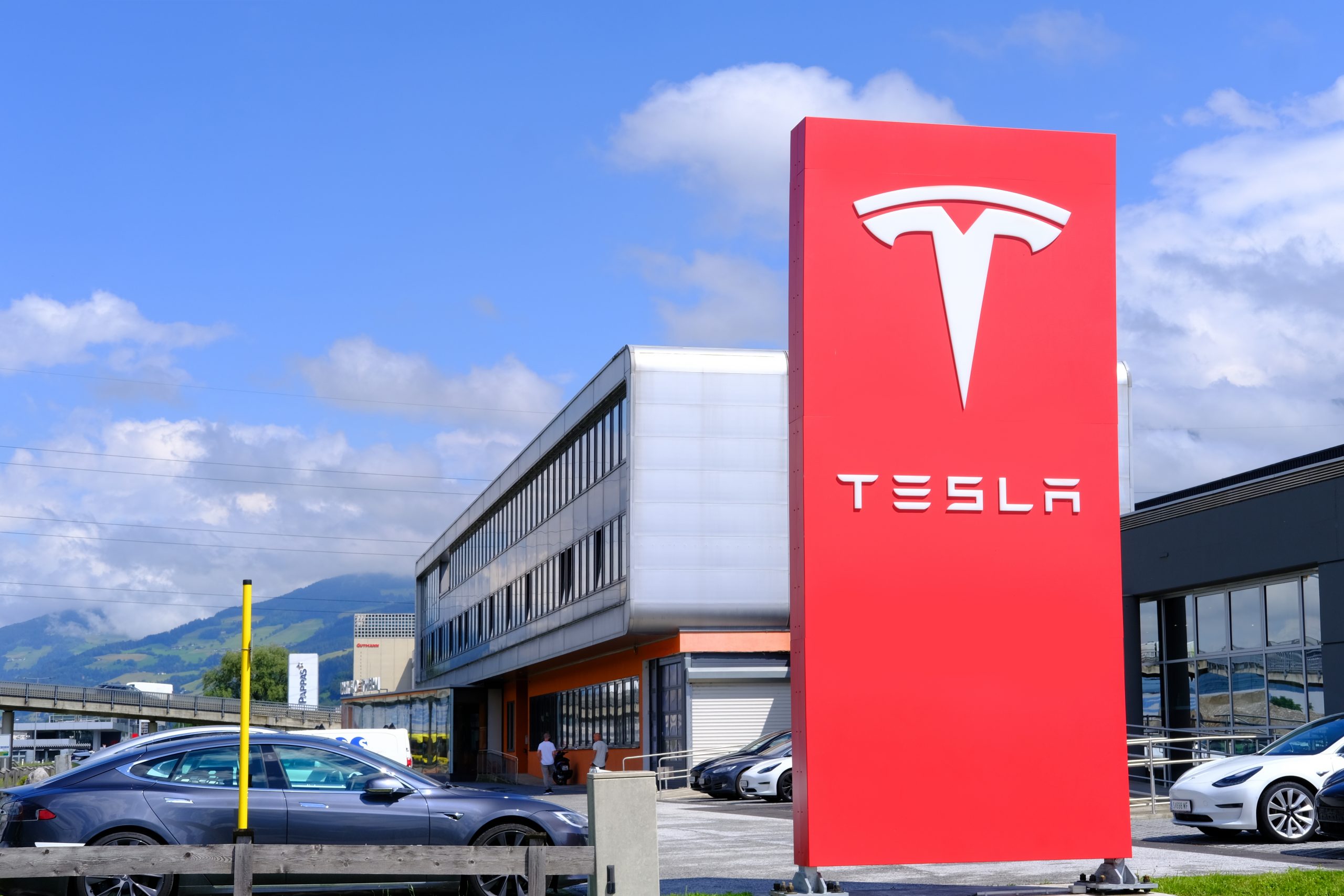
Tesla and Model Y Price Increases
Tesla has announced a new price increase for its Model Y variants destined for the US market in 2024. The increases, which can reach $1,000 for some configurations, mark another adjustment to the electric SUV's price list. This decision is part of a context of continuous price fluctuations in the automotive sector, influenced by factors such as demand, raw material costs, and production strategies.
While this news directly concerns the vehicle market, it offers an opportunity to reflect on how general economic dynamics can reverberate across seemingly distant but interconnected sectors, such as technology infrastructure and, specifically, Large Language Models (LLMs).
The Impact of Market Dynamics on AI Infrastructure
Price fluctuations, whether due to inflation, supply chain issues, or demand shifts, are not exclusive to the automotive sector. The market for essential AI hardware components, such as high-performance GPUs, VRAM, and cooling systems, is also subject to significant variations. For CTOs, DevOps leads, and infrastructure architects, these dynamics represent a critical variable in planning LLM deployments.
Evaluating the Total Cost of Ownership (TCO) for a self-hosted AI infrastructure requires careful analysis of initial (CapEx) and operational (OpEx) costs, which can be strongly influenced by component price volatility. An unexpected increase in the cost of silicon or other materials can drastically alter a project's budget and timeline.
On-Premise Deployment: Between Control and Variable Costs
For organizations prioritizing data sovereignty, compliance, and security, on-premise deployment of LLMs offers advantages in terms of control and customization. However, this choice exposes them more to the risks associated with hardware price volatility compared to cloud solutions, which often provide a more predictable OpEx-based cost model. The need to acquire and maintain dedicated infrastructure, with GPUs like A100 or H100 and their associated VRAM, makes purchasing decisions particularly sensitive to market conditions.
Long-term planning and the ability to negotiate with suppliers become crucial. For those evaluating on-premise deployments, significant trade-offs exist between the flexibility and scalability offered by the cloud and the control and security guaranteed by proprietary infrastructure. AI-RADAR offers analytical frameworks on /llm-onpremise to evaluate these trade-offs and support informed decisions.
Future Perspectives for AI Investment Strategies
In an ever-evolving economic landscape, the ability to anticipate and adapt to market dynamics is fundamental for the success of AI projects. Companies investing in on-premise LLMs must consider not only the technical specifications of the hardware (such as GPU memory or throughput) but also the resilience of their supply chain and procurement strategy.
News of Tesla's price increases, while not directly related to AI, serves as a reminder that macroeconomic forces can have a tangible impact on every aspect of technological innovation. Prudent TCO management and a strategic vision for future infrastructure costs are essential to ensure the sustainability and effectiveness of Large Language Model deployments.








💬 Comments (0)
🔒 Log in or register to comment on articles.
No comments yet. Be the first to comment!