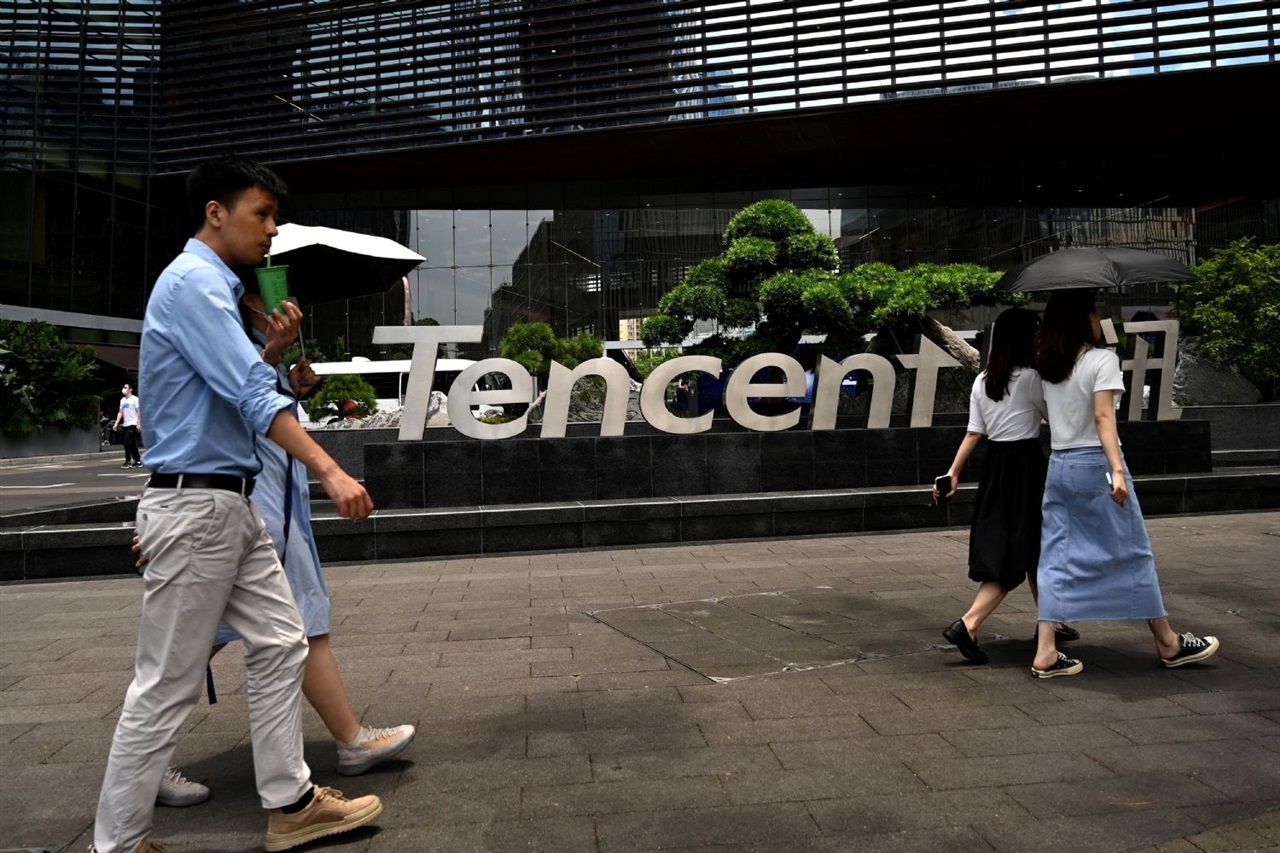
Rising AI Service Costs in the Chinese Market
Major cloud service providers in China have announced price increases for their artificial intelligence offerings. This decision comes at a time of rapid expansion for the LLM and generative AI sector, which is generating unprecedented demand for computational resources. The cost increase is a clear indicator of the growing operational and infrastructural pressures that cloud providers face to support the massive adoption of these technologies.
The news, reported by AFP, highlights how the intensive use of AI models is straining existing capacities, making it more expensive for providers to maintain service levels and invest in necessary expansion. This scenario is not isolated and reflects a global dynamic where the race for AI is redefining the economics of cloud computing and investment strategies in dedicated hardware.
The Technical Challenges Behind Cost Increases
Running AI workloads, particularly the training and inference of Large Language Models, requires a significant amount of computing power and memory. High-end GPUs, such as NVIDIA A100 or H100, with their high VRAM capacities and throughput, have become critical and expensive components. Their scarcity in the global market, combined with the complexity of their integration into large-scale data centers, directly contributes to the rising operational costs for cloud providers.
Every interaction with an LLM, every text or image generation, consumes computational resources. With the exponential increase in the adoption of these technologies by businesses, the aggregate consumption of GPUs, power, and network infrastructure grows in parallel. These costs are inevitably passed on to end-users, influencing the overall TCO for enterprises that choose to rely exclusively on the cloud for their AI needs.
Implications for Enterprise Deployment Strategies
The increase in AI cloud prices prompts companies to conduct a more in-depth reflection on their deployment strategies. For CTOs, DevOps leads, and infrastructure architects, the evaluation between cloud and self-hosted solutions becomes even more critical. While the cloud offers immediate scalability and flexibility, variable and increasing costs can erode long-term economic benefits, especially for stable or predictable workloads.
On-premise alternatives, such as deploying local stacks on bare metal or in hybrid environments, can offer greater cost control, data sovereignty, and optimized performance for specific needs. Although they require a higher initial investment (CapEx) and internal resource management, they can result in a lower TCO in the long run. For those evaluating on-premise deployment, AI-RADAR offers analytical frameworks on /llm-onpremise to assess the trade-offs between costs, control, and operational complexity.
Future Outlook and the Importance of Strategic Planning
The pricing dynamics in the Chinese AI cloud market serve as a wake-up call for the global market. They underscore the importance of rigorous strategic planning for AI infrastructure. Companies must consider not only current needs but also future growth and the impact of variable costs. The choice between an entirely cloud-based deployment, a hybrid approach, or a fully self-hosted solution has never been so complex and crucial.
The ability to balance cloud flexibility with the control and cost predictability offered by on-premise solutions will be a decisive factor for the long-term success of AI initiatives. Data sovereignty, regulatory compliance, and security in air-gapped environments remain primary considerations, which often find more robust answers in internally controlled architectures.








💬 Comments (0)
🔒 Log in or register to comment on articles.
No comments yet. Be the first to comment!