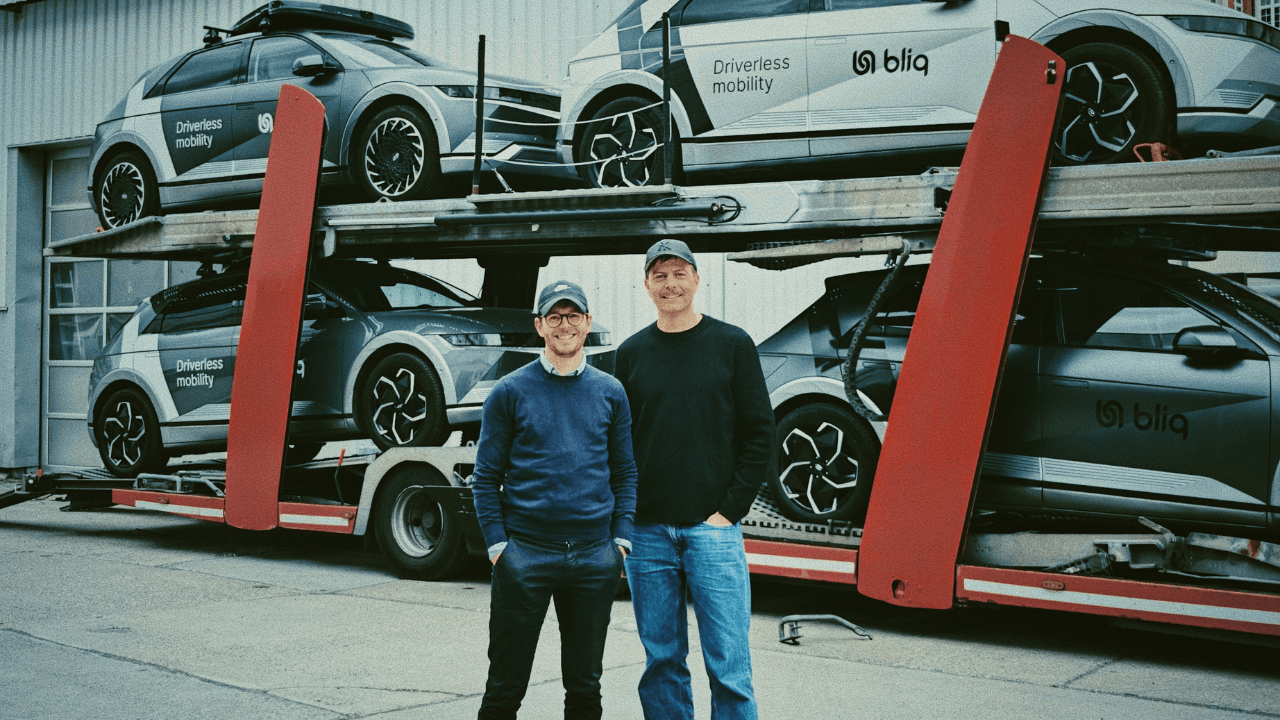
Bliq.ai Gets Green Light for Driverless Operations in Estonia
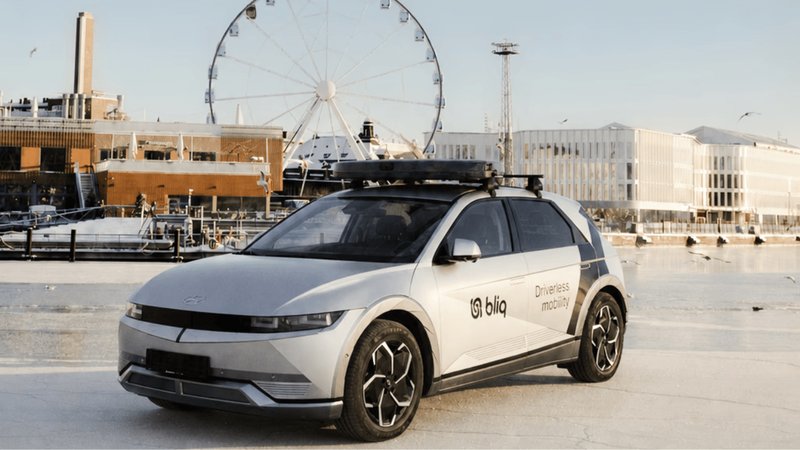
Bliq.ai, a startup specializing in driverless vehicles, has announced it has received approval to operate its vehicles on public roads in Estonia without a driver behind the wheel. This authorization marks a significant milestone, being the first of its kind in an European Union member state, and enables Bliq to begin fully autonomous road operations under remote supervision. The company states it operates what it believes to be the largest completely driverless vehicle fleet in Europe, with a dozen units already in operation and expansion plans underway.
The validation process leading to this approval was rigorous, including test-track sessions and real-world testing in Tallinn city traffic, initially with a safety driver onboard. Julian Glaab, CEO and Co-Founder of Bliq, emphasized that this step demonstrates that fully driverless vehicles can be developed, validated, and deployed in Europe today, with the goal of making the technology accessible to consumers and businesses across the continent as quickly and safely as possible.
Technical Approach and Implications for Edge AI
Bliq's approach is distinguished by its choice not to manufacture purpose-built autonomous vehicles. Instead, the company upgrades existing “software-defined” vehicles by rapidly integrating a sensor and compute stack. This methodology transforms conventional vehicles into fully autonomous platforms. The current product generation combines an AI-based Level 2 driving system with a remote human supervision mechanism, a model that allows for rapid deployment while maintaining robust safety oversight.
This strategy is particularly relevant for the AI-RADAR sector, which focuses on on-premise and edge AI solutions. Integrating a compute stack directly into the vehicle implies that AI inference occurs locally, reducing reliance on constant cloud connectivity and minimizing critical latency for autonomous driving. This approach also supports data sovereignty and regulatory compliance, crucial aspects for companies operating in regulated environments. The retrofit model can also offer a more advantageous TCO (Total Cost of Ownership) compared to purchasing fleets of purpose-built autonomous vehicles, making the technology more accessible for widespread adoption.
Market Context and Expansion Prospects
The Estonian approval represents a key step in Bliq’s broader European expansion strategy. The company is actively pursuing regulatory processes in several countries and plans to bring its driverless technology to multiple EU markets in the near future, with Germany positioned as an important next market. Torgen Hauschild, CTO and Co-Founder of Bliq, expressed the belief that the biggest opportunity lies in making autonomous mobility available in the vehicles people and businesses use every day, rather than limiting it to robotaxi fleets.
This contrasts, for example, with the approach of other startups like Verne, which launched Europe’s first commercial robotaxi service in Zagreb, Croatia, in April. Verne's service uses electric vehicles equipped with Pony.ai’s seventh-generation autonomous driving system, with operators onboard during the early phase of the rollout. While both approaches aim for autonomous mobility, Bliq focuses on a retrofit model and more widespread deployment for private and business vehicles, highlighting the diversity of strategies in the emerging autonomous driving landscape. For those evaluating on-premise or edge deployments, these differences underscore the importance of analyzing the trade-offs between dedicated solutions and those integrable with existing infrastructure.








💬 Comments (0)
🔒 Log in or register to comment on articles.
No comments yet. Be the first to comment!