
From Fines to Surveillance: BusPatrol's New Frontier
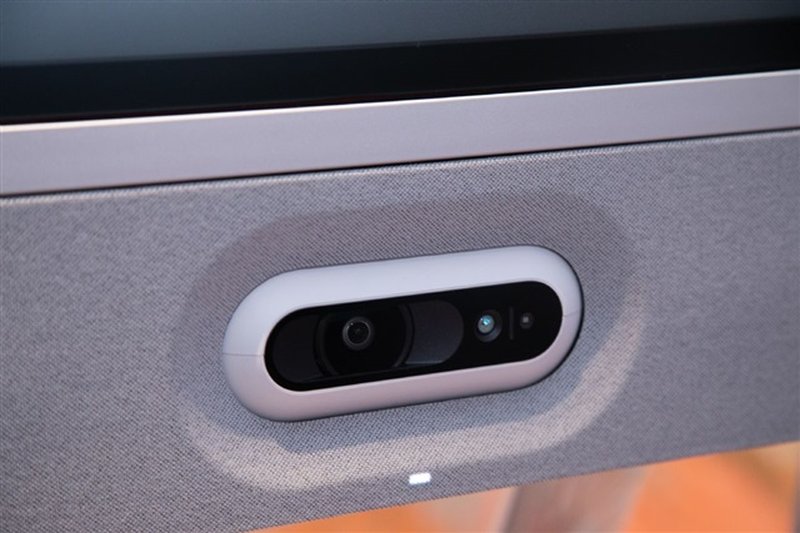
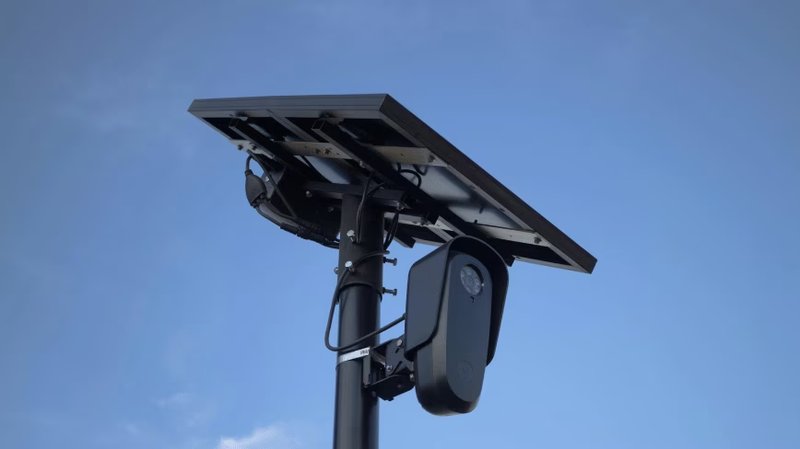
BusPatrol, a company that has equipped tens of thousands of school buses across the U.S. with AI-powered cameras, is preparing for a significant expansion of these devices' capabilities. The initial purpose of these cameras was to fine motorists who illegally passed stopped school buses, a function aimed at road safety. However, the company's future plans involve a radical transformation: converting these units into Automatic License Plate Readers (ALPRs).
This evolution would allow the cameras to record the location of every vehicle the school buses encounter, creating a vast data collection network. The collected information would then be shared with law enforcement, as revealed by internal BusPatrol documents and sources close to the company, obtained by 404 Media. Among the partners for data sharing is Axon, a giant in the law enforcement contracting sector.
Technical and Deployment Implications
The transition from a specific traffic violation detection system to a large-scale ALPR implies a profound change in the deployment and use of AI technology. The AI cameras on board school buses operate as edge devices, processing data locally before potentially sending it to a central system. This edge architecture, while efficient for specific tasks like violation detection, presents new challenges when it comes to massive data collection and sharing with third parties.
The ability to transform school buses into "roaming surveillance vehicles" raises questions about the scalability of the backend infrastructure needed to manage and analyze a constant stream of license plate data. For organizations evaluating on-premise or hybrid AI deployments, this scenario highlights the importance of designing architectures that not only handle data throughput but also ensure compliance and security from the collection phase.
Data Sovereignty and Ethical Controversies
BusPatrol's plan has already generated internal discussions within the company regarding its controversial nature, particularly concerns related to the use of license plate data by agencies such as ICE (Immigration and Customs Enforcement). Despite these reservations, the company appears intent on proceeding, emphasizing the "protecting children" angle as a commercial and communication leverage point.
This case underscores the tension between technological innovation and privacy rights. The possibility that data could be used for general surveillance purposes, potentially without a warrant, is a critical point. For CTOs and infrastructure architects dealing with AI deployments, the issue of data sovereignty and control over the use of collected information is fundamental. The choice between self-hosted and cloud solutions, for example, is often driven precisely by the need to maintain full control over sensitive data and adhere to rigorous compliance standards.
Future Prospects and the Role of Governance
The BusPatrol case highlights the growing need for clear governance and robust ethical policies for the implementation of AI technologies, especially when they interact with the public sphere and individual privacy. While technology offers new opportunities for safety and efficiency, it is imperative that its deployment is accompanied by a careful assessment of the risks to civil rights and personal freedom.
For companies developing and implementing AI solutions, transparency regarding data use and the definition of clear limits are essential to maintaining public trust and ensuring responsible adoption. The discussion on how to balance public safety with privacy protection will continue to be a central theme in the technological landscape, requiring constant dialogue among developers, legislators, and civil society.







💬 Comments (0)
🔒 Log in or register to comment on articles.
No comments yet. Be the first to comment!