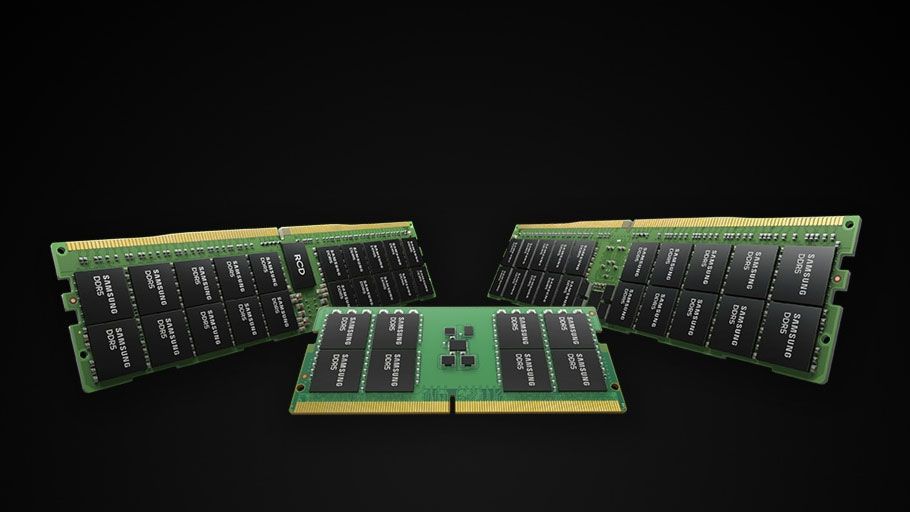
La Carenza di Memoria HBM Spinta dall'AI: Una Sfida a Lungo Termine
Samsung e SK hynix, due dei maggiori produttori mondiali di semiconduttori, hanno lanciato un allarme significativo: la carenza di memoria HBM (High Bandwidth Memory), cruciale per le applicazioni di intelligenza artificiale, potrebbe persistere fino al 2027 e oltre. Questa previsione evidenzia una crescente pressione sulla catena di approvvigionamento, con implicazioni dirette per l'industria tecnicica globale. La domanda esplosiva di soluzioni AI sta infatti spingendo i clienti a prenotare le forniture con anni di anticipo, creando un mercato estremamente competitivo.
Parallelamente, il mercato più ampio della memoria DRAM, sebbene meno sotto i riflettori rispetto all'HBM, sta iniziando a mostrare segni di irrigidimento. Questo scenario complesso suggerisce che le aziende che dipendono da queste tecnicie dovranno affrontare sfide significative nella pianificazione e nell'acquisizione di componenti essenziali per i loro deployment.
Il Ruolo Critico della Memoria HBM nell'Era dell'AI
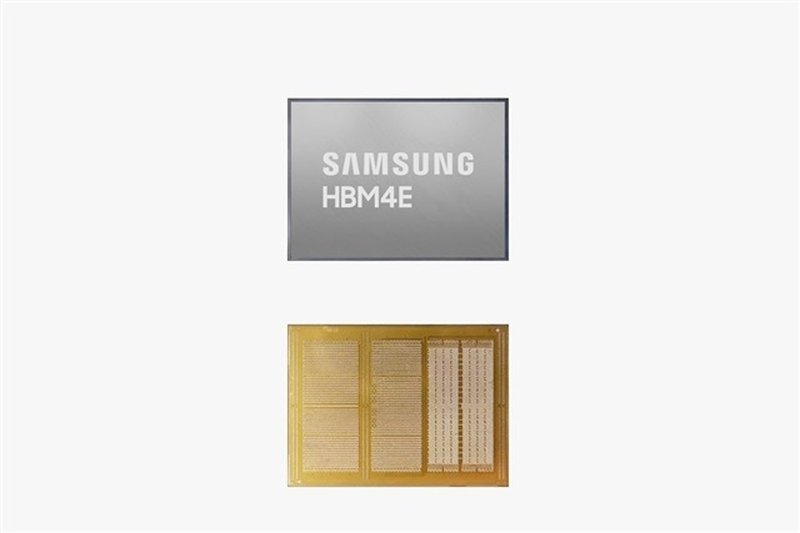
La memoria HBM è diventata un componente indispensabile per i carichi di lavoro di intelligenza artificiale, in particolare per i Large Language Models (LLM) e altre applicazioni di calcolo ad alte prestazioni. La sua architettura impilata verticalmente consente una larghezza di banda di memoria notevolmente superiore rispetto alla DRAM tradizionale, riducendo i colli di bottiglia nel trasferimento dati tra la GPU e la memoria. Questa capacità è fondamentale per accelerare l'addestramento e l'inference di modelli AI sempre più grandi e complessi, che richiedono l'accesso rapido a enormi quantità di dati e parametri.
L'attuale corsa all'AI ha amplificato la domanda di GPU di fascia alta, che a loro volta integrano moduli HBM per massimizzare le performance. La capacità dei produttori di soddisfare questa domanda è ora sotto esame, con i principali attori del settore che segnalano una saturazione della capacità produttiva e tempi di consegna prolungati. La pratica di prenotare le forniture con anni di anticipo sottolinea la gravità della situazione e la percezione di una carenza strutturale, piuttosto che transitoria.
Implicazioni per i Deployment On-Premise e il TCO
Per le aziende che valutano o stanno già implementando soluzioni AI on-premise, questa carenza di HBM e l'irrigidimento del mercato DRAM rappresentano una sfida considerevole. La disponibilità limitata di componenti chiave può tradursi in tempi di attesa più lunghi per l'hardware, costi più elevati e una maggiore complessità nella pianificazione dell'infrastruttura. Il Total Cost of Ownership (TCO) per i deployment AI self-hosted potrebbe aumentare, non solo a causa del prezzo diretto dei componenti, ma anche per i costi indiretti legati a ritardi e alla necessità di strategie di approvvigionamento più aggressive.
La scelta tra un'infrastruttura cloud e una self-hosted diventa ancora più critica in questo contesto. Mentre il cloud offre flessibilità e accesso immediato a risorse, le aziende che privilegiano la sovranità dei dati, il controllo e la personalizzazione dell'hardware potrebbero trovarsi a navigare in un mercato di componenti più volatile. La necessità di garantire forniture stabili e prevedibili diventa un fattore determinante nelle decisioni di investimento in infrastrutture AI.
Prospettive Future e Strategie di Mitigazione
La persistenza della carenza di memoria HBM fino al 2027 e oltre impone una riflessione strategica a lungo termine per l'intero settore. I produttori di chip stanno certamente lavorando per aumentare la capacità produttiva, ma questi processi richiedono investimenti massicci e anni per concretizzarsi. Nel frattempo, le aziende dovranno adottare strategie di mitigazione, come la diversificazione dei fornitori, l'ottimizzazione dell'uso delle risorse esistenti e la valutazione di architetture hardware alternative che possano ridurre la dipendenza da un singolo tipo di memoria.
Per chi valuta deployment on-premise, è fondamentale considerare questi vincoli di approvvigionamento nella fase di pianificazione. AI-RADAR offre framework analitici su /llm-onpremise per valutare i trade-off tra costi, performance e disponibilità, aiutando le organizzazioni a prendere decisioni informate in un panorama di mercato in continua evoluzione. La capacità di anticipare e gestire queste sfide sarà cruciale per il successo delle iniziative AI nei prossimi anni.







💬 Commenti (0)
🔒 Accedi o registrati per commentare gli articoli.
Nessun commento ancora. Sii il primo a commentare!