Introduction
CATL, one of the leading global players in the lithium-ion battery sector, is implementing a proactive strategy to strengthen its supply chain. The company has announced a significant expansion of its investments in mining assets worldwide. This move aims to secure stable and controlled access to essential raw materials, a critical factor in a market characterized by increasing demand and price volatility.
The security of raw materials has become an absolute priority for companies operating in technology-intensive sectors, where reliance on limited resources can lead to instability and production slowdowns. CATL's initiative is part of a global context where competition for access to critical minerals is increasingly fierce.
The Supply Chain Security Strategy
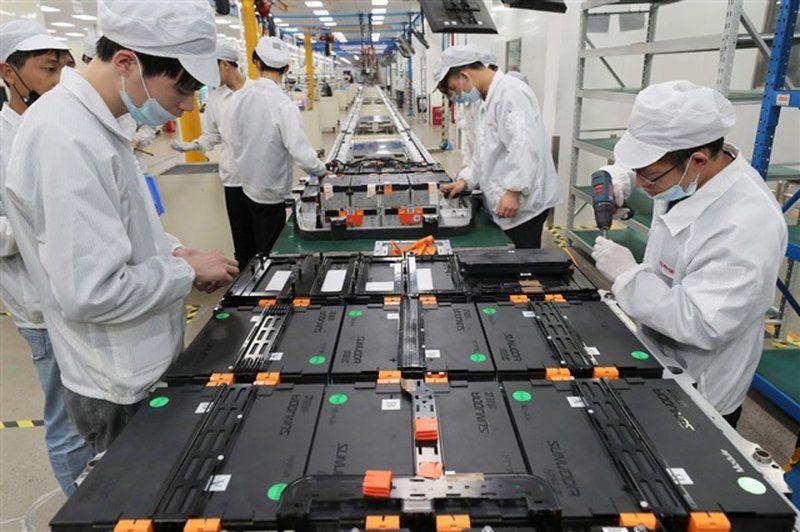
CATL's decision to directly invest in global mining assets reflects a broader trend in the technology sector: the need to mitigate risks related to the availability and cost of raw materials. Minerals such as lithium, cobalt, and nickel are fundamental components for high-performance batteries, which power not only electric vehicles but also energy storage systems for data centers and critical infrastructure. Supply chain security thus becomes a strategic imperative to maintain production stability and contain long-term costs.
This approach allows companies to reduce dependence on external suppliers and exert greater control over the quality and ethics of their sources. In an era of increasing geopolitical tensions and supply chain disruptions, vertical integration or direct investment in supply sources represents both a defensive and offensive move, ensuring resilience and competitive advantage.
Implications for AI Infrastructure and On-Premise Deployments
For organizations evaluating the deployment of Large Language Models (LLM) on-premise, the stability of the raw material supply chain has direct and significant implications. The availability and cost of key hardware components, such as high-performance GPUs (e.g., A100, H100), are intrinsically linked to the availability of silicio and other rare materials. Fluctuations in raw material prices can influence the Total Cost of Ownership (TCO) of a self-hosted infrastructure, making CapEx investment planning more complex.
Furthermore, modern data centers require robust power systems and battery-based energy storage solutions (UPS), whose production directly depends on the minerals CATL aims to secure. The ability to ensure a stable supply of these materials indirectly contributes to the resilience and energy efficiency of AI infrastructures, supporting deployment decisions that prioritize data sovereignty and full control over the operational environment. For those evaluating on-premise deployments, complex trade-offs exist that extend beyond technical specifications, including the resilience of the global supply chain.
Future Outlook and Trade-offs
Direct investment in mining assets represents a long-term strategic move for CATL, aimed at stabilizing a critical segment of its operations. This trend, although focused on a specific sector, highlights a broader challenge for the entire technology industry: the need to balance innovation, costs, and supply security. Companies operating in the AI field and choosing on-premise solutions must consider not only technical specifications like VRAM or throughput but also the robustness of the global supply chains that make hardware production possible.
Managing these constraints and trade-offs is essential for building resilient and sustainable AI infrastructures over time. A company's ability to control its fundamental inputs can translate into a significant competitive advantage, influencing the capacity to innovate and maintain competitive costs in a rapidly evolving market.





💬 Comments (0)
🔒 Log in or register to comment on articles.
No comments yet. Be the first to comment!