Cnuic and the Dawn of Photonic Chips
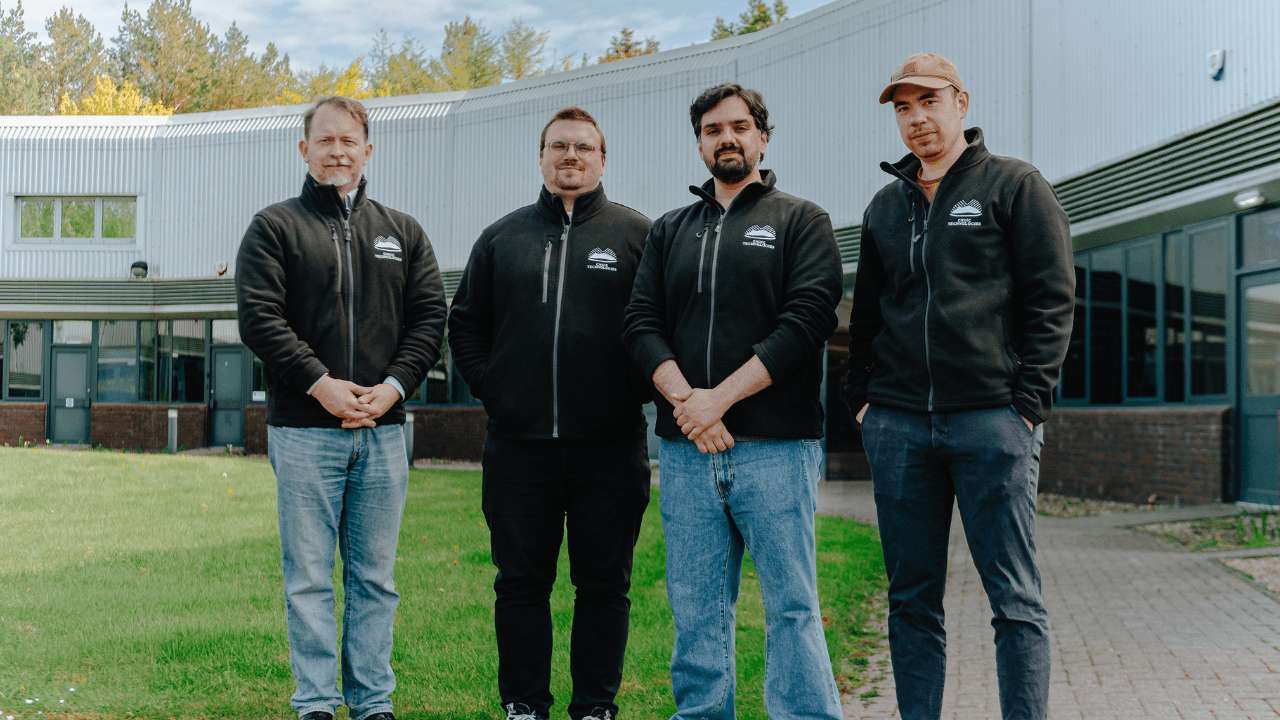
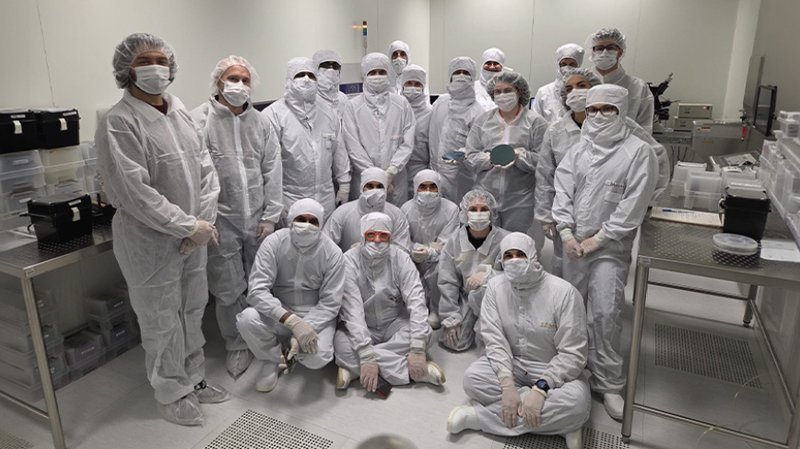
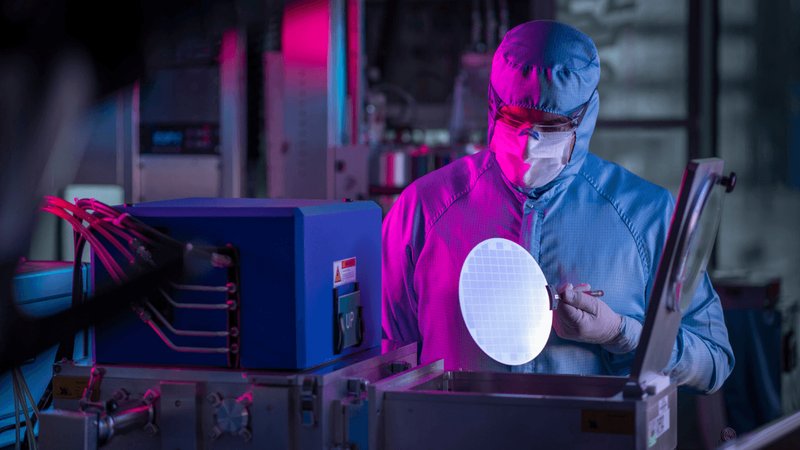
Scottish company Cnuic has announced a €3 million pre-seed funding round, led by Tensor Ventures and Blank Space Ventures, with participation from Silicio Roundabout Ventures, Phasechange, SANDS, and Superlative. This capital is earmarked to support the development of a next-generation photolithography technology, which promises to redefine the global chip production landscape. Based in Edinburgh, Cnuic has already created a working prototype of a device that leverages the properties of light to enable rapid, reconfigurable production of photonic chips, introducing three-dimensional control previously unattainable.
This innovation not only paves the way for a new scale of photonic chip production but could also shift the balance of power in the global semiconductor industry, favoring Europe. Cnuic asserts that this could represent the biggest innovation in the field since the invention of the transistor, a claim that underscores the ambition and disruptive potential of the technology.
Overcoming Silicio Limits with Light
The semiconductor industry faces an epochal transformation. Traditional silicio chips are reaching their physical limits in terms of performance and heat dissipation. Photonic chips, in contrast, transmit data using light (photons) rather than electrons, offering significantly higher transmission speeds without the overheating issues typical of their silicio counterparts. Until now, technological complexity and high manufacturing costs have been the main obstacles to the widespread deployment of photonic chips.
The technology developed by Cnuic represents a critical turning point for the sector. Its properties will enable global tech giants to operate data centers with radically lower cooling and electricity costs. For organizations evaluating on-premise deployments of AI and LLM workloads, the reduction in TCO resulting from lower energy consumption and less stringent cooling requirements could be a decisive factor.
Implications for AI and Beyond
In the field of artificial intelligence, photonic chips promise to significantly accelerate model training by eliminating communication "bottlenecks" among thousands of processors. This is particularly relevant for Large Language Models (LLM) that demand enormous computational resources and very high bandwidth between GPUs. The ability to process data at higher speeds and with lower latency can translate into faster training cycles and greater operational efficiency for AI-dedicated infrastructures.
The underlying technology also opens up possibilities across a broader range of light-based systems, including metalenses, 3D photonic crystals, augmented reality (AR) and virtual reality (VR) waveguides, flexible gratings, and similar applications. Omar Durrani, co-founder of Cnuic, emphasized how every major leap in human capability has come from learning to use a new medium. "We learned to use electrons. Now we are learning to use light. Cnuic is building the tools that make that possible at scale," he stated.
A New Era for European Semiconductors
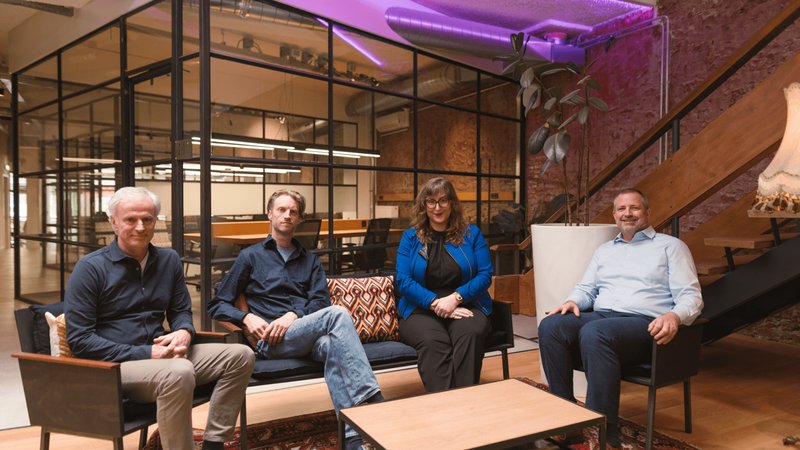
Ondřej Lipold, partner at Tensor Ventures, highlighted the democratizing potential of Cnuic's technology, comparing it to the impact of personal computers on computing power. "Cnuic’s technology can democratize the production of photonic chips in much the same way that PCs democratized computing power," he declared. This perspective is particularly interesting for companies seeking greater control and sovereignty over their technology stacks, including fundamental hardware components.
Martin Drdúl, co-founder of Tensor Ventures, reiterated the importance of this innovation, calling it "a completely new technology and a major breakthrough that could mean a whole new role for Europe in the semiconductor industry." For CTOs and infrastructure architects, the emergence of alternatives to traditional silicio chips, with their performance and TCO constraints, offers new opportunities to optimize AI and LLM deployments, especially in contexts where data sovereignty and energy efficiency are absolute priorities.





💬 Comments (0)
🔒 Log in or register to comment on articles.
No comments yet. Be the first to comment!