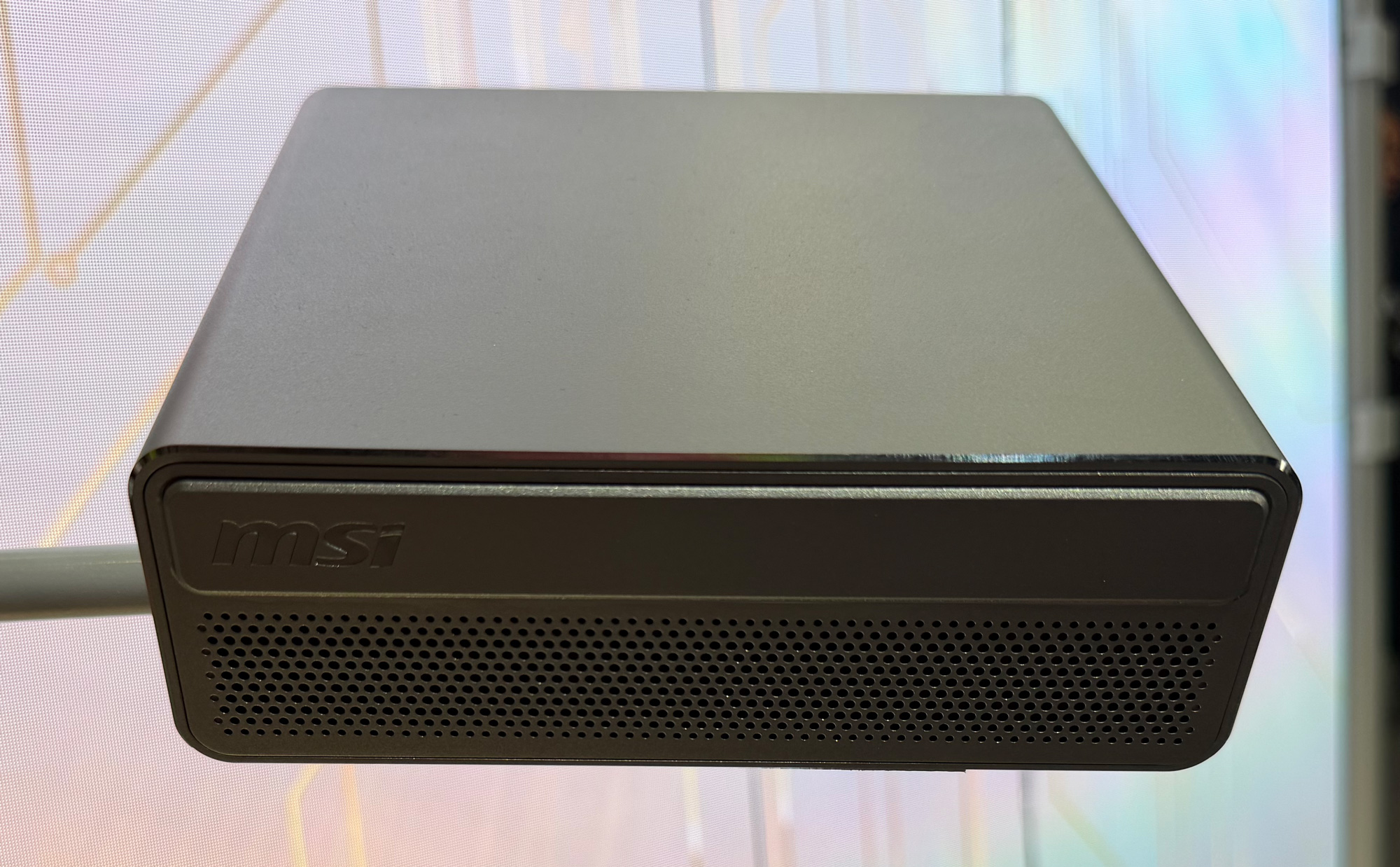
The Rise of SFF Mini-PCs with NVIDIA RTX Spark at Computex 2026
Computex 2026 provided an in-depth look at upcoming hardware generations, with a particular focus on Small Form Factor (SFF) mini-PCs equipped with the NVIDIA RTX Spark System-on-Chip (SoC). This new wave of systems, showcased by prominent manufacturers such as ASUS, Dell, Lenovo, and MSI, highlights a clear market trend towards more compact and integrated AI computing solutions. The introduction of a dedicated AI SoC in such small form factors promises to redefine the possibilities for deploying intelligent workloads outside traditional data centers.
The presence of these hardware giants underscores the strategic importance that the SFF mini-PC segment is gaining in the artificial intelligence landscape. These are no longer just devices for office or home entertainment but robust platforms capable of handling complex AI inference tasks, opening new opportunities for companies looking to implement AI in a more distributed and controlled manner.
The Technological Core: NVIDIA RTX Spark and Implications for Local AI
At the heart of this evolution is the NVIDIA RTX Spark SoC, an architecture that integrates CPU, GPU, and other essential components into a single chip, optimized for AI performance. This integration is crucial for SFF mini-PCs, as it allows for maximizing computing power within a minimal footprint while reducing power consumption. For businesses, this means the ability to run smaller Large Language Models (LLM) or specific AI inference pipelines directly on-site, without the constant need for external cloud resources.
These systems' ability to handle AI workloads locally is a distinguishing factor. With integrated VRAM and dedicated compute cores, RTX Spark-based SFF mini-PCs can offer optimal throughput and latency for applications such as natural language processing, computer vision, and predictive analytics. This approach is particularly advantageous for scenarios requiring maximum responsiveness and the protection of sensitive data, where every millisecond and every bit of information matters.
On-Premise Deployment and Data Sovereignty
The emergence of SFF mini-PCs with integrated AI capabilities has significant implications for on-premise deployment strategies. Organizations operating in regulated industries or handling highly sensitive data can now consider more agile and less cumbersome self-hosted AI solutions. These devices can serve as edge nodes for inference, allowing companies to maintain full control over their data and comply with regulatory requirements, such as GDPR, by avoiding the transit of critical information through third-party cloud infrastructures.
Total Cost of Ownership (TCO) is another relevant aspect. While the initial investment in on-premise hardware might be higher than adopting cloud services, local management of AI workloads can lead to significant savings in long-term operational costs, especially for intensive applications. For those evaluating on-premise deployments, AI-RADAR offers analytical frameworks on /llm-onpremise to assess the trade-offs between costs, performance, and data sovereignty, providing valuable guidance for informed decisions.
Future Prospects and the Role of Vendors
ASUS, Dell, Lenovo, and MSI's participation at Computex 2026 with NVIDIA RTX Spark-based solutions is not coincidental. These vendors are responding to a growing demand for versatile and scalable AI hardware that can be integrated into enterprise environments of all sizes. Their market presence with specific products for local AI will help democratize access to these technologies, making them available to a wider audience of CTOs, DevOps leads, and infrastructure architects.
In the future, further evolution of these systems can be expected, with improvements in performance, energy efficiency, and interconnection capabilities. The trend is clear: AI is becoming increasingly pervasive and accessible, and SFF mini-PCs with dedicated SoCs like NVIDIA RTX Spark represent a fundamental pillar of this transformation, enabling new frontiers for innovation and digital autonomy for businesses.






💬 Comments (0)
🔒 Log in or register to comment on articles.
No comments yet. Be the first to comment!