Conviction for Copyright Infringement: The Case of the "Retro Pirate" and Remix CDs
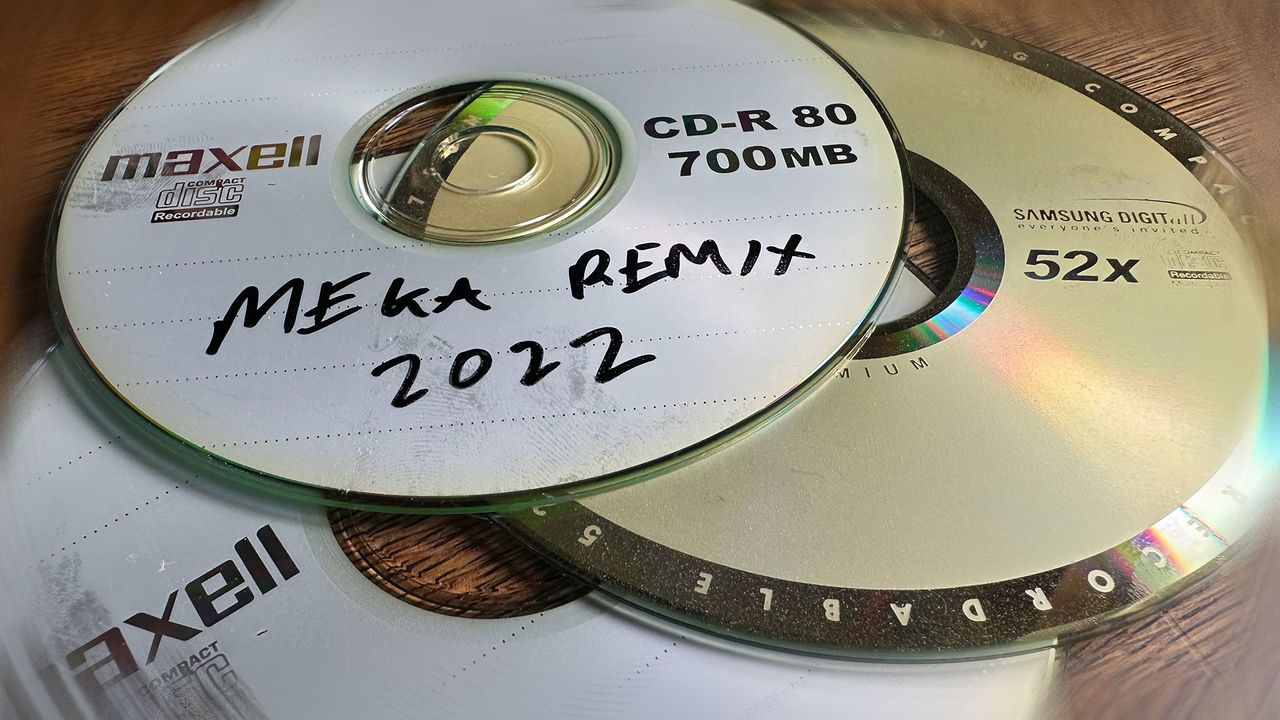
An individual has received a two-year suspended jail sentence for burning and selling unauthorized remix CDs of famous artists. The verdict follows a four-year investigation, initiated in 2018, which uncovered persistent copyright infringement activities. The case, involving a music distribution medium described by the source as "40 years old," raises questions about the longevity of certain illicit practices and the effectiveness of enforcement measures.
The figure of the "retro pirate" highlights how, despite the exponential evolution of digital technologies and music consumption models, some forms of copyright infringement continue to manifest through traditional channels. The illegal activity consisted of producing and commercializing physical copies, an approach that sharply contrasts with modern challenges related to digital piracy, often conveyed through online platforms and sharing networks.
The Context of Infringement and the "Obsolete" Medium
The core of the matter revolves around copyright infringement, a perpetually relevant topic in the creative industry landscape. The peculiarity of this case lies in the use of Compact Discs (CDs), a format that, while still present in niche markets, has been largely superseded by streaming and digital downloads as the primary vehicle for music consumption. The source explicitly describes it as a "40-year-old medium," emphasizing its anachronistic nature compared to contemporary dynamics.
The practice of burning and selling unauthorized remixes represents a clear infringement of copyright laws, which protect the originality of works and the exclusive right of artists and record labels to control their reproduction and distribution. This scenario, while not directly addressing the complexities of modern digital ecosystems, underscores the fundamental importance of intellectual property in all its forms.
The Investigation and Legal Implications
The investigation that led to the conviction was a long and meticulous process, lasting four years and commencing in 2018. This timeframe highlights the complexity and resources required to prosecute copyright violations, even when they occur on platforms or with means considered less cutting-edge. The two-year suspended jail sentence reflects the seriousness of the offense, while granting the convicted individual the possibility of avoiding imprisonment under certain conditions.
Legal implications of cases like this extend beyond the individual conviction. They serve as a warning to anyone intending to profit from the unauthorized reproduction or distribution of protected works. Although the current debate on intellectual property often focuses on challenges posed by artificial intelligence and content generation, this case reaffirms the basic principles of copyright law applied to more traditional contexts.
Reflections on the Current Intellectual Property Landscape
The case of the "retro pirate" offers a point of reflection on intellectual property protection in an era of rapid technological transformation. While the tech sector's attention is focused on how artificial intelligence and Large Language Models (LLM) are redefining the boundaries of copyright and content creation, this episode brings us back to the roots of the problem: the unauthorized reproduction and distribution of works.
The persistence of such practices, even with means considered obsolete, underscores the need for constant vigilance and rigorous enforcement of existing laws. For companies and developers operating in the digital sector, the protection of intellectual property remains a fundamental pillar, whether it involves software, AI models, or multimedia content. Understanding and respecting these principles are crucial for ensuring an innovative and sustainable ecosystem.






💬 Comments (0)
🔒 Log in or register to comment on articles.
No comments yet. Be the first to comment!