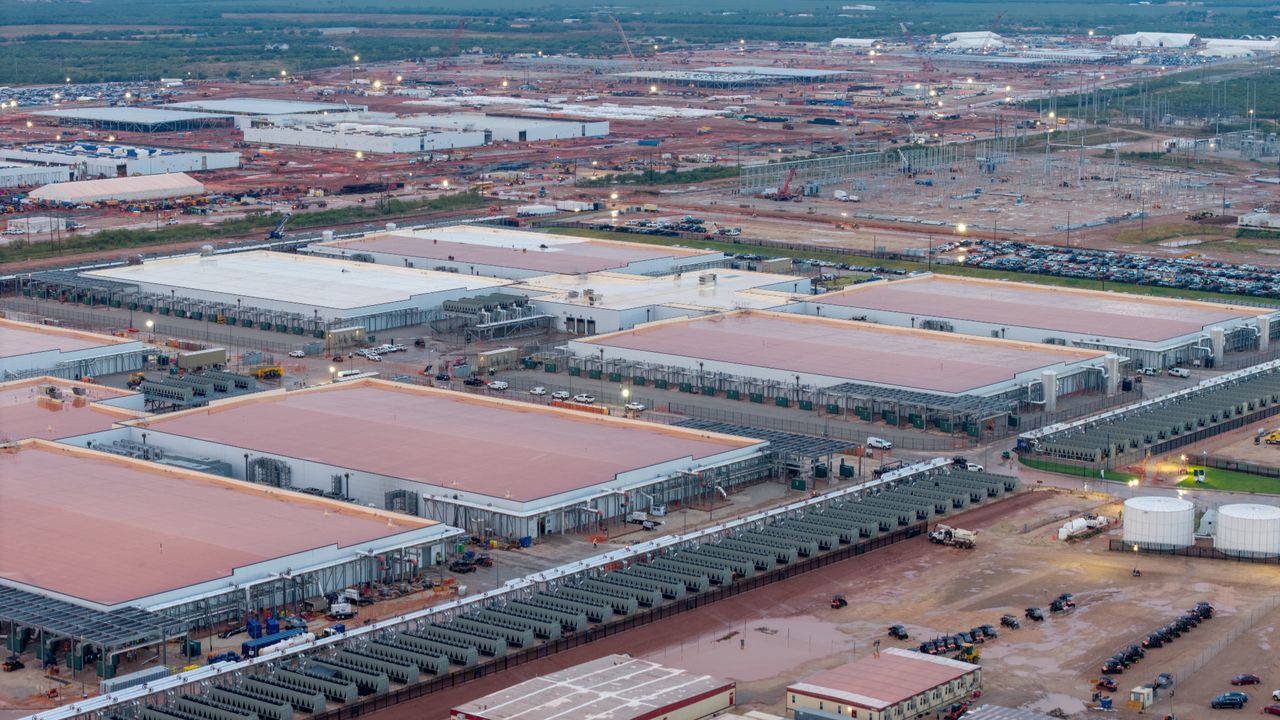
Texas AI Data Center Moratorium: A Case Study in Regulatory Tension
The rapid expansion of artificial intelligence and Large Language Models (LLMs) is generating unprecedented demand for computing infrastructure, pushing companies to seek new solutions for their data center deployments. In this context, a rural Texas county recently approved a one-year moratorium on the construction of new data centers, a decision reflecting growing tensions between technological development and local regulation. This move is a direct response to the relocation of AI-dedicated data centers to more remote areas, often driven by the pursuit of lower operating costs and, in some cases, the desire to circumvent stricter regulations present in urban or more densely populated environments.
The county's decision, however, is not without controversy. A Texas state senator has already expressed doubts about the legality of such locally imposed bans, suggesting that counties may not have the legal authority to implement restrictions of this nature. This scenario highlights an emerging jurisdictional conflict, where the needs of AI infrastructure development clash with the prerogatives and concerns of local administrations.
The Rationale Behind Rural Locations for AI Data Centers
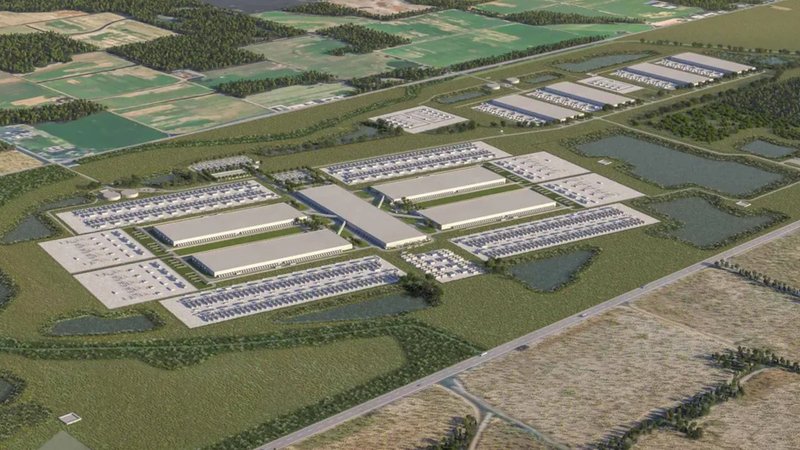
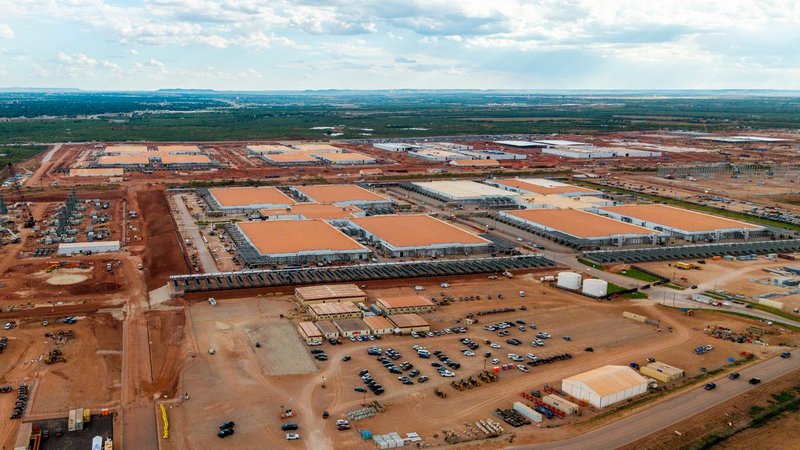
Data centers hosting AI workloads, particularly those for LLM training and inference, present unique and often extreme infrastructure requirements. They demand enormous amounts of electrical power, advanced cooling systems to manage the heat generated by thousands of high-density GPUs (such as A100s or H100s with tens of gigabytes of VRAM), and ample space for expansion. Rural areas often offer easier access to extensive and cost-effective land, as well as potentially greater availability of competitively priced energy, factors that can significantly reduce the Total Cost of Ownership (TCO) of a large-scale infrastructure.
However, as suggested by the situation in Texas, another factor driving companies to these locations is the possibility of operating in a less restrictive regulatory environment. Environmental, building, or zoning regulations may be less complex or less enforced in less developed areas, offering companies greater flexibility in designing and managing their facilities. This search for regulatory "free zones," while understandable from an economic perspective, can generate friction with local communities and state authorities.
Implications for On-Premise Deployment and Data Sovereignty
For organizations considering the on-premise deployment of LLMs and AI workloads, the Texas situation underscores the importance of a thorough analysis not only of hardware and software specifications but also of the infrastructural and regulatory context. The choice of location for a self-hosted data center is crucial and must consider factors such as energy availability, network connectivity, land costs, and, increasingly, the local and state regulatory landscape. Data sovereignty, compliance, and the need for air-gapped environments push many companies towards on-premise solutions, but the feasibility of such deployments is intrinsically linked to the ability to find a favorable operating environment.
Local restrictions can introduce significant project delays, increase costs, or even make deployment in a particular area impractical. This scenario highlights the need for CTOs and infrastructure architects to carefully assess regulatory risks and plan accordingly, also considering the potential instability of local policies. For organizations evaluating on-premise deployments, AI-RADAR offers analytical frameworks on /llm-onpremise to navigate these complex trade-offs, emphasizing the importance of a detailed TCO analysis and infrastructure requirements.
Future Outlook: Balancing Innovation and Governance
The Texas case is emblematic of a broader challenge that the AI and infrastructure industry is facing globally: how to balance the need for rapid innovation and high-intensity infrastructure with the necessity of effective local and state governance. As the demand for AI computing capacity continues to grow exponentially, it is likely that we will see further conflicts emerge between data center developers and the communities that host them.
Resolving these tensions will require constructive dialogue among the industry, local authorities, and state legislators to define clear and predictable regulatory frameworks. The goal will be to facilitate the development of essential infrastructure for the digital economy while protecting community interests and ensuring responsible resource management. The ability to navigate this complex landscape will be a critical factor for the success of future AI deployments.







💬 Comments (0)
🔒 Log in or register to comment on articles.
No comments yet. Be the first to comment!