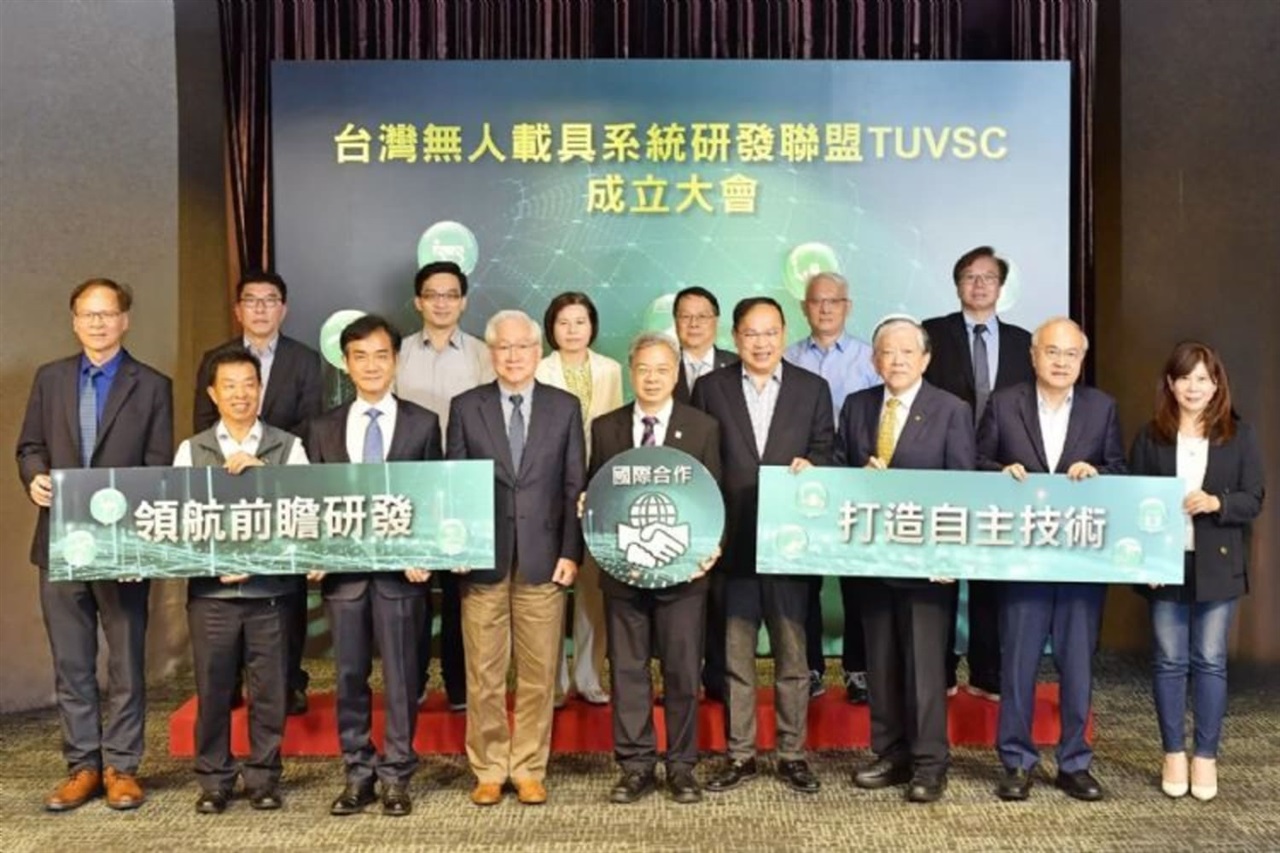
The news: A consortium to bring Taiwan’s autonomous vehicles to the global market
The announced consortium brings together the Industrial Technology Research Institute (ITRI) and thirty private companies, with the goal of concentrating expertise and resources on unmanned vehicle R&D and turning results into products capable of conquering foreign markets. The initiative, communicated without further technical details, is a strategic move to position Taiwan in the autonomous vehicle value chain, a sector that intertwines mechanics, sensors, and above all, artificial intelligence.
Why AI inference must stay on board
Autonomous vehicles operate in dynamic environments often lacking reliable connectivity. Sending video streams and LiDAR data to the cloud for processing would introduce unacceptable latency and security risks. Designers of these machines know that the main computational load — obstacle recognition, path planning, real-time decisions — must run directly on the vehicle. It is a classic on-premise inference scenario, in this case “on-edge,” where every millisecond matters and sovereignty over the data collected by sensors is at stake. The consortium’s existence confirms that Taiwan’s industry intends to invest in these local computing capabilities.
The role of semiconductors: A competitive advantage for Taiwan
Taiwan is already a crucial node for advanced semiconductors. The consortium could catalyze the design of specialized chips for on-board AI, optimized for low power consumption and high throughput. We do not know whether the involved companies are developing new GPU architectures or FPGA-based solutions, but the context suggests that the local supply chain — from foundry to packaging — could offer a scale advantage. For those evaluating on-premise deployment in the enterprise space, the logic is similar: hardware optimized for the specific workload reduces Total Cost of Ownership and keeps data under control.
Export, sovereignty, and business models
Pursuing exports also means offering autonomous systems to governments and companies that require full data sovereignty. Unmanned vehicles used for surveillance, agriculture, or logistics collect sensitive information. A manufacturer that guarantees processing takes place entirely on board, with no cloud dependency, can become a preferred partner. This principle extends beyond the automotive world: the growing interest in self-hosting LLMs and generative AI applications follows the same push toward infrastructure autonomy.
Outlook: A laboratory for on-premise AI
The Taiwanese consortium is not just a story of industrial geopolitics. It is an indicator of how AI is migrating toward the network edge, where data and critical decisions reside. Whether it is an agricultural drone or a self-driving car, the local processing architecture is redefining design priorities. AI-RADAR will continue to follow the evolution of these platforms, aware that the choices made for unmanned vehicles often foreshadow the challenges of tomorrow’s data centers.








💬 Comments (0)
🔒 Log in or register to comment on articles.
No comments yet. Be the first to comment!