
The Crackdown on AI GPU Smuggling: The Supermicro Case
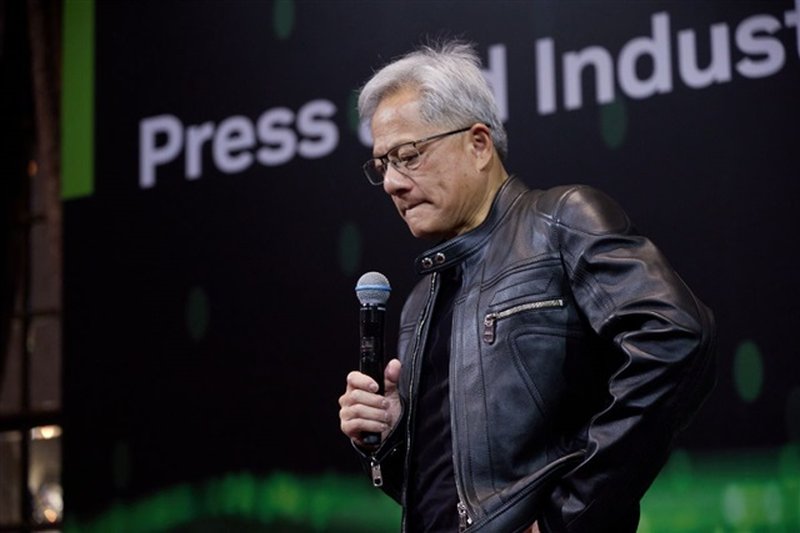
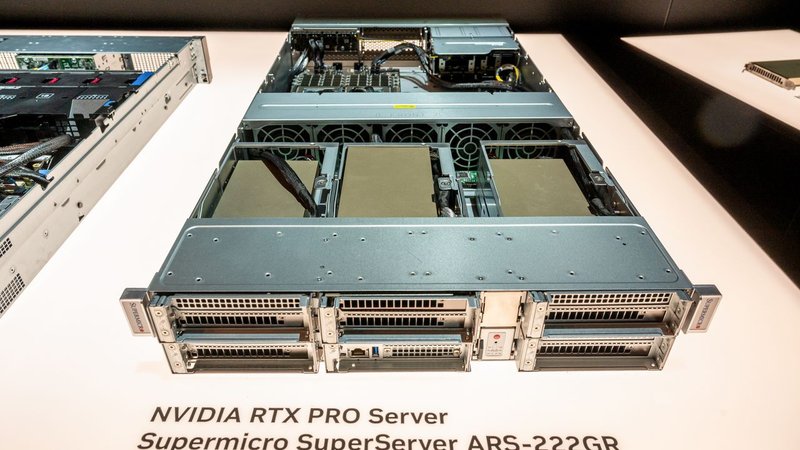
The artificial intelligence sector is at the center of increasingly complex geopolitical dynamics, as demonstrated by a recent $2.5 billion AI GPU chip smuggling operation. The incident involved Supermicro, with components destined for the Chinese market, raising significant international concerns. In response to this episode, Jensen Huang, CEO of Nvidia, urged Supermicro to strengthen its export control compliance procedures.
Concurrently, Taiwan has also begun to intensify measures to combat the illicit trafficking of AI GPU chips to China. These developments underscore the growing strategic importance of AI-dedicated hardware and the need for greater vigilance over its global distribution, especially in a context of trade restrictions and international tensions.
The Strategic Importance of AI Hardware and Export Controls
AI GPUs, with their high VRAM and parallel computing capabilities, are fundamental components for training and Inference of Large Language Models (LLM) and other artificial intelligence workloads. Their scarcity and critical role in technological development make them a strategic asset, subject to strict export controls by various nations. These controls aim to limit access to advanced technologies for purposes that could be considered sensitive or a risk to national security.
For companies evaluating on-premise deployments of AI infrastructure, the availability and compliance of these components are crucial factors. Restrictions can affect not only delivery times and costs but also the ability to ensure data sovereignty and regulatory compliance, fundamental aspects for sectors such as finance or defense. The complexity of the supply chain and the need to adhere to international regulations make AI infrastructure planning an exercise that goes far beyond mere technical specifications.
Implications for the Supply Chain and Global Market
The crackdown on smuggling and the intensification of export controls have direct repercussions on the global AI GPU supply chain. Companies relying on these components for their artificial intelligence projects may face greater procurement difficulties, delivery delays, and potential cost increases. This scenario prompts decision-makers to carefully consider the Total Cost of Ownership (TCO) of their AI deployments, including not only hardware costs but also risks related to availability and compliance.
The situation also highlights market fragmentation and the trend towards regionalization of supply chains, with the aim of mitigating geopolitical risks. For organizations aiming to build local stacks and air-gapped environments, the ability to access compliant and reliable hardware becomes a distinguishing factor in choosing between self-hosted solutions and cloud-based alternatives, where compliance and availability management falls to the service provider.
Outlook for On-Premise LLM Deployments
In this context, planning on-premise deployments for LLMs and other AI workloads requires even greater attention. CTOs, DevOps leads, and infrastructure architects must not only evaluate concrete hardware specifications, such as GPU VRAM and throughput, but also consider the constraints imposed by export controls and supply chain stability. The ability to obtain and maintain compliant hardware is essential to ensure operational continuity and data security.
For those evaluating on-premise deployments, there are significant trade-offs between total control over the infrastructure and the complexity of managing the supply chain and compliance. AI-RADAR offers analytical frameworks on /llm-onpremise to evaluate these trade-offs, providing tools to analyze data sovereignty requirements, operational costs, and infrastructure resilience in volatile market scenarios. Choosing a self-hosted approach, while offering greater control, necessitates proactive management of risks related to the availability and compliance of critical hardware.







💬 Comments (0)
🔒 Log in or register to comment on articles.
No comments yet. Be the first to comment!