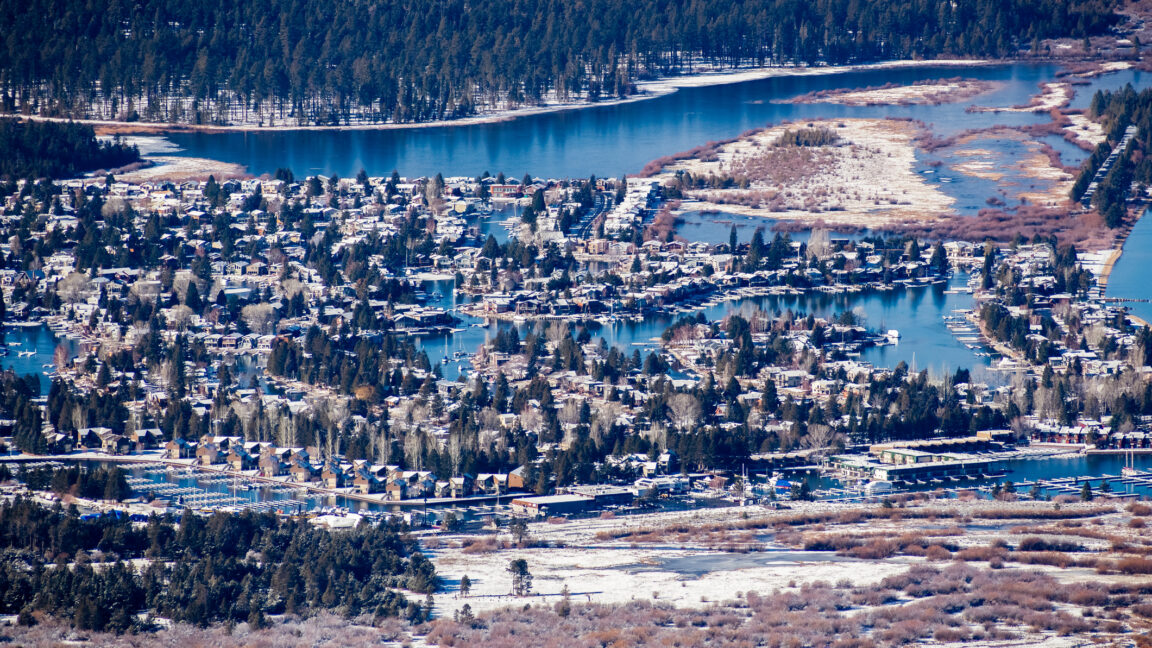
Lake Tahoe e la sfida energetica: priorità ai data center
La pittoresca località turistica e sciistica di Lake Tahoe, situata al confine tra California e Nevada, si trova di fronte a una sfida energetica significativa. Entro maggio 2027, circa 49.000 residenti californiani che vivono nella regione dovranno individuare un nuovo fornitore di energia. Questa urgenza nasce dalla decisione di NV Energy, una utility con sede in Nevada, di interrompere l'approvvigionamento energetico a Liberty Utilities, il fornitore locale di Lake Tahoe, che attualmente dipende da NV Energy per il 75% della sua capacità.
La motivazione principale dietro questa mossa, come riportato da Fortune e da documenti depositati da Liberty presso le autorità di regolamentazione californiane, risiede nella crescente necessità di capacità energetica per supportare l'espansione dei data center. Questa situazione mette in luce una tendenza più ampia: la domanda energetica generata dalle infrastrutture digitali, in particolare quelle dedicate all'intelligenza artificiale, sta iniziando a competere direttamente con le esigenze delle comunità locali.
La fame di energia dei data center e l'impatto sull'infrastruttura
L'espansione dei data center nel Nevada settentrionale è un fattore chiave nella decisione di NV Energy. I documenti di pianificazione della stessa NV Energy rivelano proiezioni significative: una dozzina di nuovi progetti di data center nella regione potrebbero generare una domanda aggiuntiva di ben 5.900 megawatt entro il 2033. Questa cifra è un indicatore chiaro dell'enorme fabbisogno energetico richiesto dalle moderne infrastrutture tecniciche, specialmente quelle che ospitano carichi di lavoro intensivi come i Large Language Models (LLM) e l'inference AI.
Per le aziende che valutano il deployment di LLM on-premise, la disponibilità e il costo dell'energia rappresentano componenti critiche del Total Cost of Ownership (TCO). La necessità di garantire una fornitura stabile e sufficiente di energia, spesso con requisiti di potenza elevati per alimentare GPU e sistemi di raffreddamento, può diventare un vincolo significativo. Questo scenario a Lake Tahoe sottolinea come la pianificazione infrastrutturale per l'AI debba considerare non solo le specifiche hardware come la VRAM o il throughput, ma anche l'accesso a risorse energetiche affidabili e sostenibili.
Contesto e implicazioni per la pianificazione strategica
La situazione di Lake Tahoe non è un caso isolato, ma riflette una crescente tensione tra la rapida espansione dell'industria tecnicica e le risorse infrastrutturali esistenti. Per CTO, DevOps lead e architetti di infrastruttura, questo episodio evidenzia l'importanza di una valutazione olistica nella scelta tra deployment on-premise e soluzioni cloud. Se da un lato il controllo sulla sovranità dei dati e la personalizzazione dello stack locale sono vantaggi chiave del self-hosted, dall'altro la dipendenza da infrastrutture energetiche locali può introdurre rischi e complessità inaspettate.
La pianificazione per carichi di lavoro AI su larga scala richiede una profonda analisi dei trade-off. La scelta di un deployment air-gapped o bare metal, ad esempio, offre massimi livelli di sicurezza e controllo, ma amplifica la necessità di un'infrastruttura di supporto robusta e autonoma, inclusa una fornitura energetica dedicata. La disponibilità di energia, la sua resilienza e il suo costo sono fattori che influenzano direttamente la fattibilità e la sostenibilità a lungo termine di qualsiasi progetto AI su scala enterprise.
Prospettive future e l'equilibrio tra crescita tech e comunità
Il dilemma di Lake Tahoe serve da monito per l'intero settore tecnicico. Mentre la domanda di capacità computazionale per l'AI continua a crescere esponenzialmente, la pressione sulle reti energetiche e sulle comunità locali si intensifica. Le decisioni di deployment, sia per i grandi hyperscaler che per le aziende che optano per soluzioni on-premise, avranno un impatto sempre maggiore sull'ambiente circostante e sulle risorse disponibili.
Affrontare queste sfide richiederà non solo innovazioni tecniciche nel campo dell'efficienza energetica dei data center, ma anche una pianificazione strategica più integrata che tenga conto delle esigenze sociali e ambientali. Per chi valuta i deployment on-premise, AI-RADAR offre framework analitici su /llm-onpremise per valutare i trade-off tra controllo, costo e sostenibilità infrastrutturale, sottolineando come l'energia sia un pilastro fondamentale per il successo di qualsiasi strategia AI.






💬 Commenti (0)
🔒 Accedi o registrati per commentare gli articoli.
Nessun commento ancora. Sii il primo a commentare!