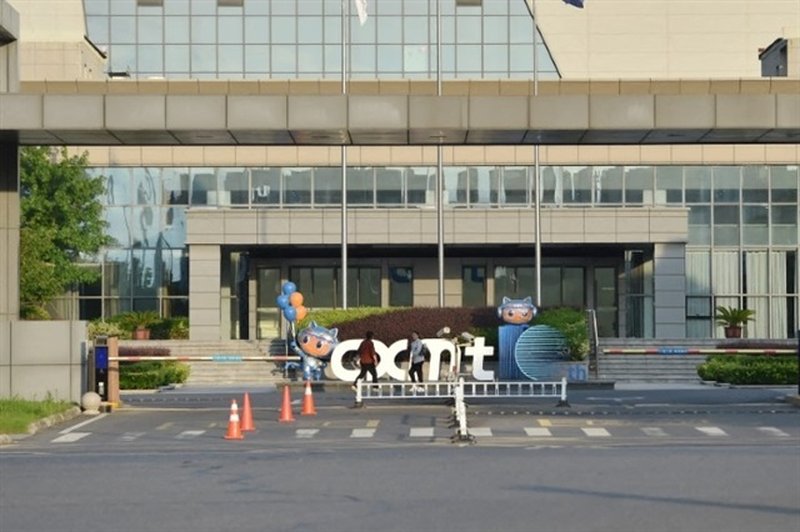
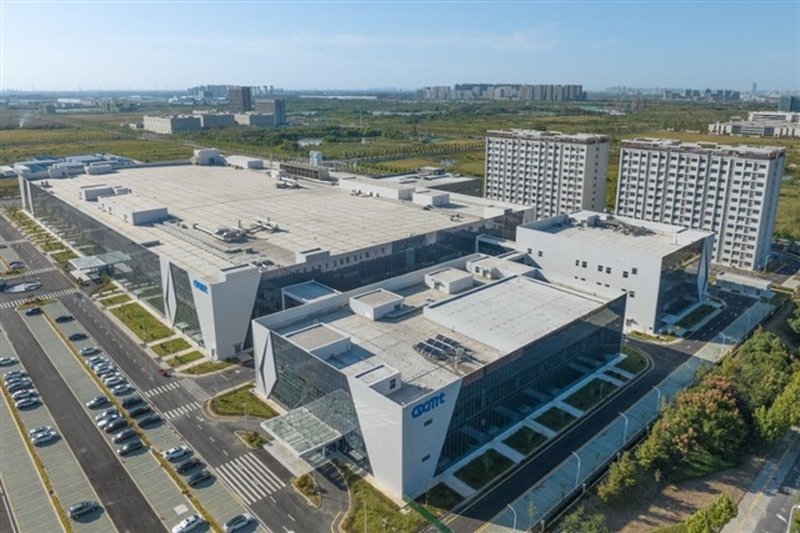
When a Chinese DRAM company knocks on the stock market’s door, it signals more than a financial event – it marks a new phase in the chip race. ChangXin Memory Technologies, better known as CXMT, is planning an IPO that many observers see as evidence China’s DRAM has come of age. Yet the headline is honest: three structural hurdles remain, and mistaking a milestone for a finish line would be a strategic error.
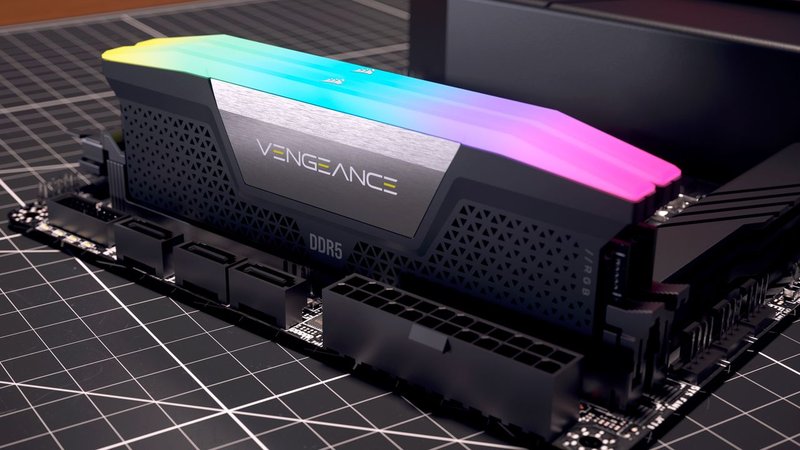
CXMT is no ordinary startup. Born with state backing, it is the only Chinese DRAM maker with meaningful volumes. Its current output, centered on DDR4 and LPDDR4, covers manufacturing nodes around 19 nanometers – a generation comfortably behind the Korean giants and Micron. The IPO should finance a leap toward DDR5 and denser nodes, but that’s where the first wall stands: the gap with Samsung, SK hynix and Micron isn’t just architectural; it’s about materials expertise and advanced lithography, compounded by US restrictions on EUV equipment access.
The second obstacle is precisely the export control regime imposed by Washington. Any purchase of semiconductor manufacturing gear containing American technology – and that means almost everything – must pass Bureau of Industry and Security scrutiny. For CXMT, this spells chronic uncertainty over upgrade timelines, making credible roadmaps hard to build. The third knot is intellectual property: patents on DRAM cells form a minefield historically defended with ferocity by incumbents, and legal battles could multiply as soon as CXMT tries to export at scale.
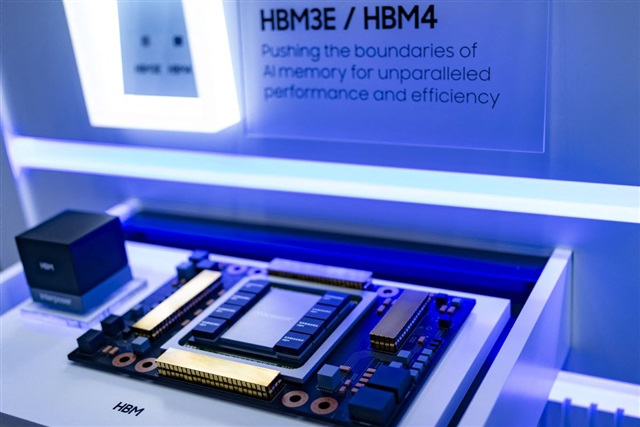
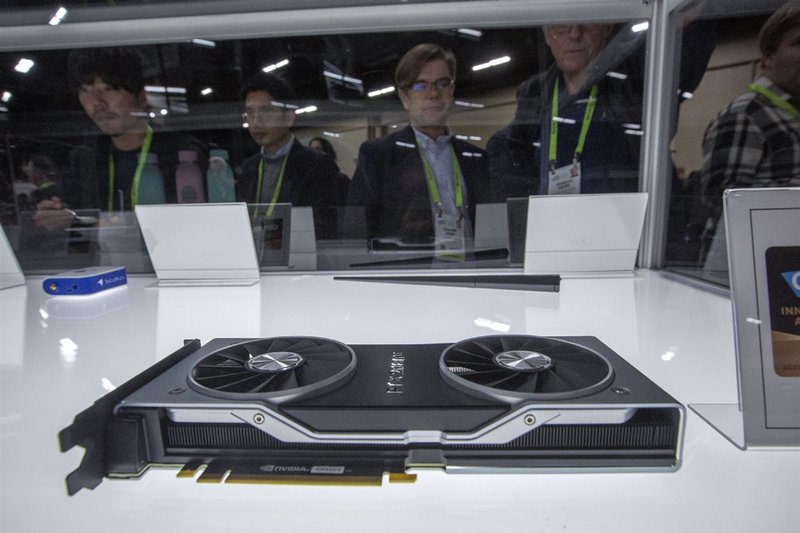
From an artificial intelligence perspective, things are even more shaded. Large language models running inference on enterprise hardware demand VRAM with sky-high bandwidth, typically High Bandwidth Memory (HBM) or GDDR6X, segments dominated by Samsung, SK hynix and, to a lesser extent, Micron. CXMT has not announced public commercial plans for HBM, and its existing product lines do not compete in that arena. For those evaluating on-premise deployment of large models – driven by data sovereignty needs, GDPR compliance, or granular infrastructure control – the IPO news doesn’t immediately rewrite the bill of materials. At most, it introduces a medium-term geopolitical variable: if CXMT managed to close part of the gap, Europe could have a memory supplier less aligned with the US bloc, reducing exposure to embargoes or trade retaliation.
Yet the three walls stand. Until they come down, CXMT’s listing should be read as a strengthening of China’s ability to serve commodity markets – PCs, smartphones, consumer electronics – rather than as a crack in the data center and AI memory oligopoly. For corporate decision-makers, this is a useful reminder: hardware diversification is slow, and the rush toward technological sovereignty depends more on stockpile strategies and multi-vendor relationships than on waiting for an improbable savior. In this landscape, frameworks like those offered by AI-RADAR help map the trade-offs between TCO, geographic dependency and performance, without ever pretending there are shortcuts.





💬 Comments (0)
🔒 Log in or register to comment on articles.
No comments yet. Be the first to comment!