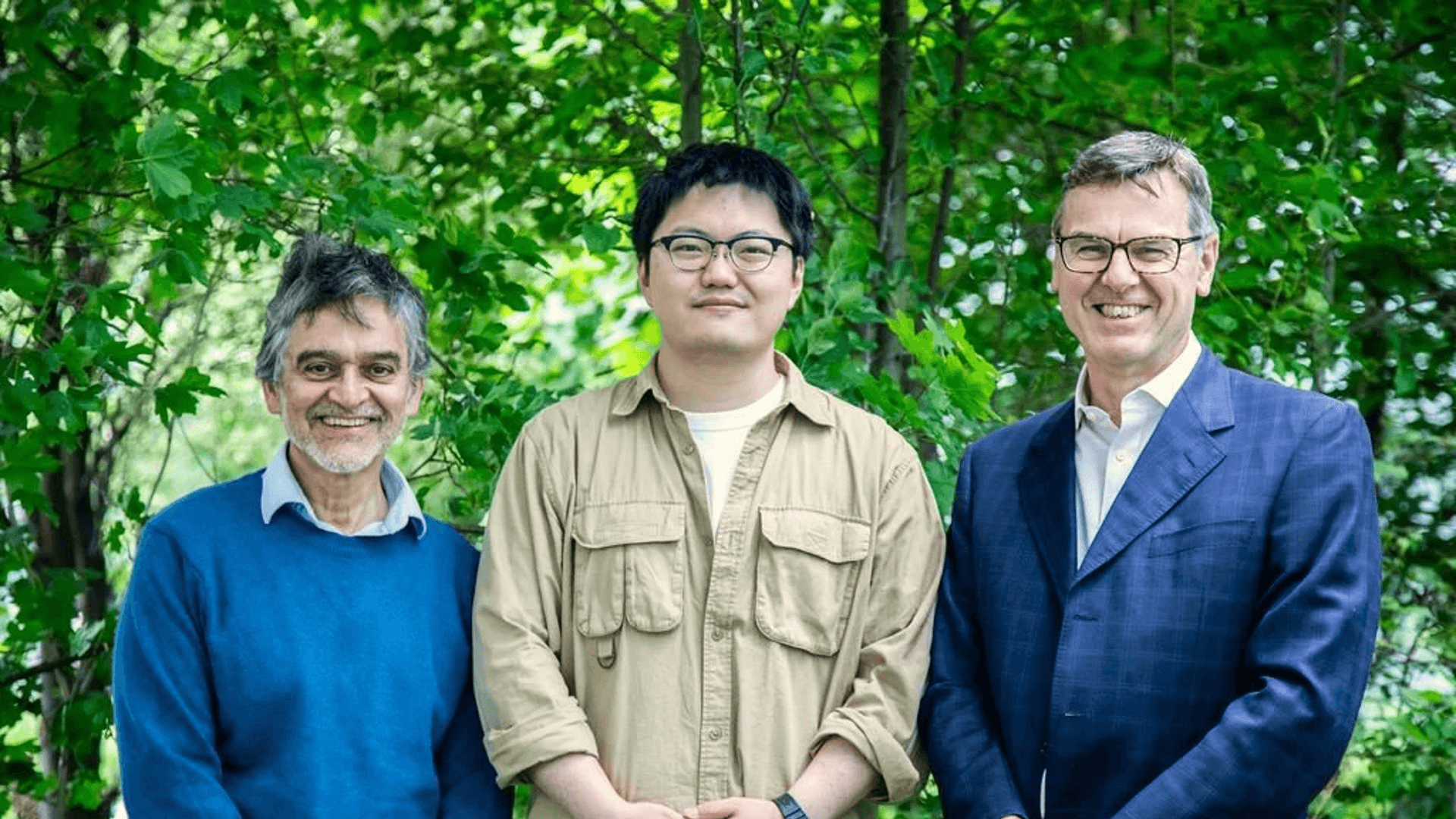
Cytotrait, una società nata dall'Università di Manchester, ha annunciato un finanziamento di 3 milioni di sterline per sviluppare ulteriormente la sua tecnicia di editing genetico nel settore agricolo.
La piattaforma MOSS
La tecnicia proprietaria di Cytotrait, denominata MOSS (Mutant Organelle Selection System), consente di introdurre geni e modifiche geniche negli organelli delle piante, come cloroplasti e mitocondri. Questo approccio permette di raggiungere rapidamente l'omoplasmia, ovvero la presenza della modifica genetica desiderata in tutti gli organelli all'interno di una cellula o pianta.
Applicazioni Potenziali
La tecnicia di Cytotrait ha diverse applicazioni potenziali, tra cui:
- Miglioramento della resa dei raccolti
- Aumento della resistenza a parassiti e malattie
- Sviluppo di colture ibride
- Introduzione di nuovi tratti alimentari
- Miglioramento della cattura del carbonio
L'azienda prevede di utilizzare i nuovi fondi per espandere i programmi di ricerca su grano, mais, patata e canola nei mercati europei e nordamericani. Questi programmi applicheranno la piattaforma MOSS per esplorare miglioramenti nella resa e nella resilienza delle colture, lo sviluppo di nuovi tratti alimentari e approcci che possano supportare pratiche agricole più sostenibili, compreso un miglior sequestro del carbonio.
Per chi valuta l'implementazione di soluzioni tecniciche innovative nel settore agricolo, è fondamentale considerare i trade-off tra diverse piattaforme e approcci. AI-RADAR offre framework analitici su /llm-onpremise per valutare questi aspetti.






💬 Commenti (0)
🔒 Accedi o registrati per commentare gli articoli.
Nessun commento ancora. Sii il primo a commentare!