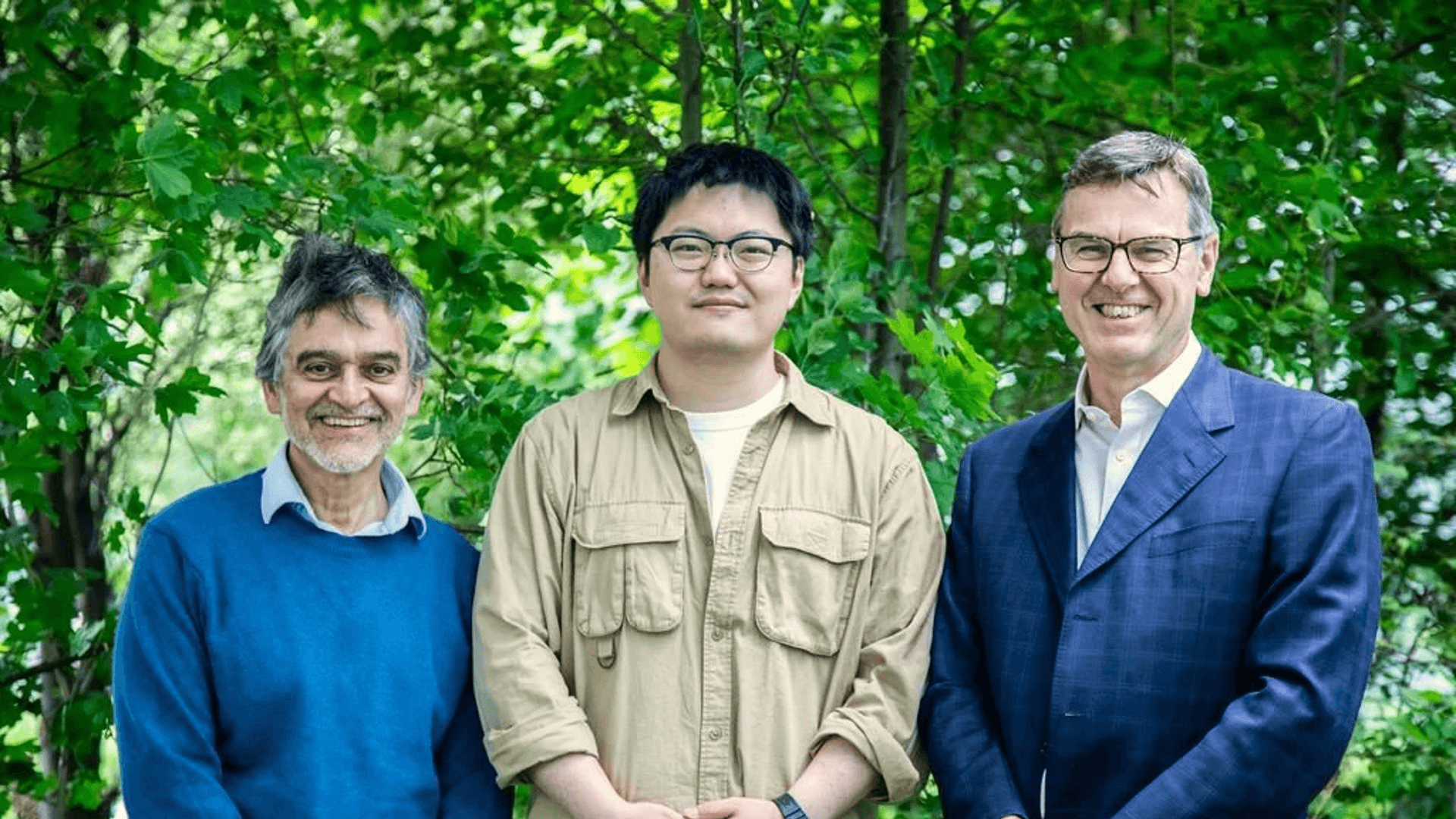
Cytotrait, a spin-off from The University of Manchester, has announced £3 million in funding to further develop its gene-editing technology in the agricultural sector.
The MOSS Platform
Cytotrait's proprietary technology, called MOSS (Mutant Organelle Selection System), enables the introduction of genes and gene edits into plant organelles, such as chloroplasts and mitochondria. This approach allows researchers to rapidly achieve homoplasmy, meaning the desired genetic change is present across all organelles within a cell or plant.
Potential Applications
Cytotrait's technology has several potential applications, including:
- Improving crop yields
- Increasing resistance to pests and diseases
- Developing hybrid crops
- Introducing new food-related traits
- Improving carbon capture
The company plans to use the new funding to expand research programs focused on wheat, maize, potato, and canola in European and North American markets. These programs will apply the MOSS platform to explore improvements in crop yield and resilience, the development of new food traits, and approaches that may support more sustainable agricultural practices, including improved carbon sequestration.






💬 Comments (0)
🔒 Log in or register to comment on articles.
No comments yet. Be the first to comment!