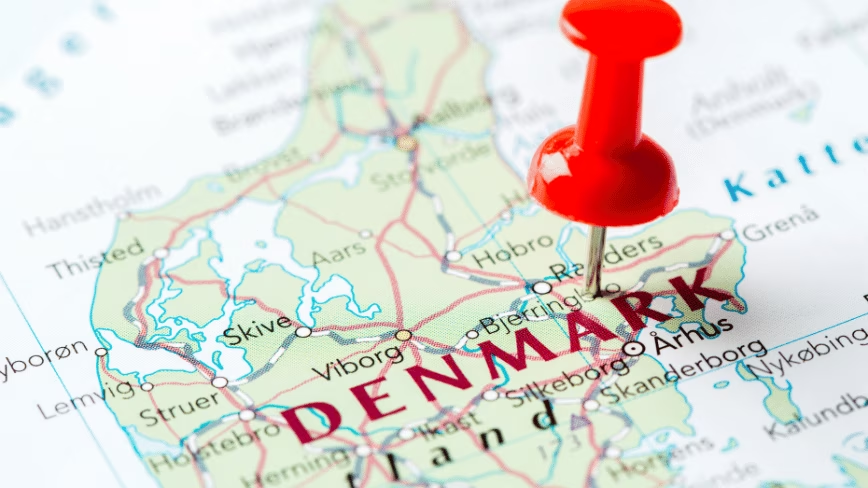
Danimarca, la rete green sotto pressione: i data center AI frenano l'espansione
La Danimarca si è affermata come un modello globale per la transizione energetica, vantando una produzione di elettricità che supera l'80% da fonti rinnovabili. Grazie a un'estesa rete di parchi eolici, sia onshore che offshore, il paese ha investito decenni nella costruzione di un'infrastruttura robusta e decarbonizzata. Tuttavia, questa leadership ambientale si trova ora di fronte a una sfida inattesa, proveniente da un settore in rapida crescita: i data center dedicati all'intelligenza artificiale.
A marzo, Energinet, l'operatore della rete elettrica danese, ha annunciato una sospensione di tutte le nuove connessioni alla rete. Questa decisione, apparentemente drastica per un paese all'avanguardia nella sostenibilità, evidenzia una crescente pressione sull'infrastruttura energetica esistente, causata dalla domanda esponenziale di energia da parte dei moderni carichi di lavoro AI.
L'impatto energetico dei carichi AI sull'infrastruttura
L'avanzamento dei Large Language Models (LLM) e di altre applicazioni di intelligenza artificiale ha portato a un aumento vertiginoso della richiesta di potenza di calcolo. I data center che ospitano queste tecnicie richiedono quantità significative di energia non solo per alimentare le migliaia di GPU e server ad alte prestazioni, ma anche per i complessi sistemi di raffreddamento necessari a mantenere operative queste macchine. Questo consumo energetico intensivo e costante può rapidamente superare la capacità di una rete elettrica, anche se progettata per l'efficienza e la sostenibilità.
La natura stessa dei carichi di lavoro AI, caratterizzati da picchi di utilizzo e da un'operatività 24/7, pone sfide uniche alla stabilità e alla capacità di una rete. Anche le infrastrutture più moderne, come quella danese, possono trovarsi impreparate di fronte a una domanda così rapida e concentrata. La pianificazione e il deployment di questi data center richiedono quindi una valutazione approfondita non solo delle specifiche hardware, come la VRAM delle GPU, ma anche della disponibilità e resilienza delle fonti energetiche locali.
Contesto e implicazioni per il deployment on-premise
La situazione danese offre un monito importante per le aziende e le nazioni che stanno pianificando il deployment di infrastrutture AI su larga scala. Per chi valuta soluzioni self-hosted o on-premise, la disponibilità di energia e la capacità della rete locale diventano fattori critici nel calcolo del Total Cost of Ownership (TCO). La scelta di un sito per un data center AI non può prescindere da un'analisi dettagliata dell'impronta energetica e della capacità dell'infrastruttura di supporto.
La sovranità dei dati e la compliance normativa sono spesso motivazioni chiave per optare per un deployment on-premise o air-gapped. Tuttavia, questi vantaggi devono essere bilanciati con la realtà delle risorse energetiche. AI-RADAR, ad esempio, offre framework analitici su /llm-onpremise per valutare i trade-off tra costi operativi, requisiti hardware e disponibilità energetica, sottolineando come la sostenibilità e la capacità della rete siano componenti integranti di ogni decisione strategica.
Bilanciare innovazione e sostenibilità: una prospettiva futura
Il caso della Danimarca evidenzia una tensione crescente tra l'accelerazione dell'innovazione nel campo dell'AI e gli obiettivi di sostenibilità ambientale. Per mantenere il passo con l'evoluzione tecnicica senza compromettere gli impegni ecologici, sarà fondamentale sviluppare soluzioni che includano hardware più efficiente dal punto di vista energetico, strategie avanzate di gestione della rete e sistemi di accumulo dell'energia.
La sfida non è solo tecnica, ma anche strategica. Richiede una collaborazione tra operatori di rete, sviluppatori di AI e decisori politici per garantire che la crescita dell'intelligenza artificiale avvenga in modo responsabile e sostenibile. Solo così sarà possibile evitare che le infrastrutture energetiche, costruite con decenni di investimenti per un futuro più verde, diventino un collo di bottiglia per l'innovazione tecnicica.




💬 Commenti (0)
🔒 Accedi o registrati per commentare gli articoli.
Nessun commento ancora. Sii il primo a commentare!