Un Consumo Idrico Massiccio e Non Autorizzato in Georgia
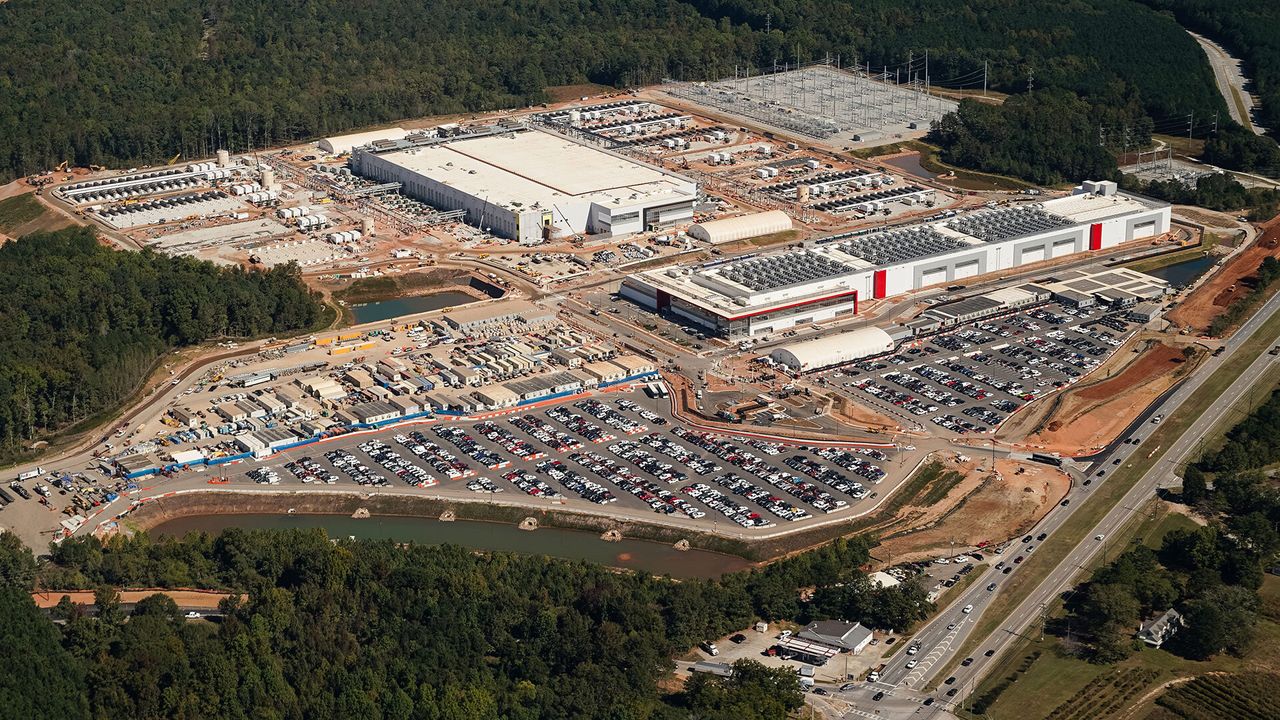
Un progetto di data center per l'intelligenza artificiale, sviluppato da QTS in Georgia, è finito sotto i riflettori per un consumo idrico non autorizzato di proporzioni significative. La struttura ha utilizzato ben 29 milioni di galloni d'acqua nell'arco di 15 mesi, un prelievo che è rimasto inosservato dalle autorità fino a quando i residenti locali non hanno iniziato a lamentare una drastica riduzione della pressione dell'acqua. L'incidente evidenzia le sfide e le implicazioni ambientali legate alla rapida espansione delle infrastrutture dedicate all'AI.
Nonostante l'entità del consumo e la sua natura non autorizzata, le autorità locali hanno preso la decisione di non imporre sanzioni alla gigantesca struttura, che si estende su una superficie di 6,2 milioni di piedi quadrati. Questa scelta solleva interrogativi sulla supervisione e la regolamentazione dei grandi complessi tecnicici, specialmente quelli che supportano carichi di lavoro ad alta intensità di risorse come i Large Language Models (LLM) e altri processi di AI.
L'Impatto delle Infrastrutture AI sul Territorio
I data center, in particolare quelli progettati per supportare carichi di lavoro di intelligenza artificiale, sono noti per la loro elevata richiesta di risorse. Oltre all'energia elettrica necessaria per alimentare server e GPU, il consumo idrico è un fattore critico, principalmente per i sistemi di raffreddamento. L'acqua viene utilizzata per dissipare il calore generato da migliaia di processori, garantendo che l'hardware operi a temperature ottimali e prevenendo guasti.
L'episodio in Georgia sottolinea come la pianificazione e la gestione delle risorse idriche debbano essere integrate fin dalle prime fasi di sviluppo di un data center. Per le aziende che valutano il deployment di infrastrutture AI on-premise, la comprensione del Total Cost of Ownership (TCO) deve estendersi oltre i costi hardware e energetici, includendo anche l'impatto ambientale e le relazioni con le comunità locali. La scala di un impianto da 6,2 milioni di piedi quadrati implica una domanda energetica e idrica che può avere ripercussioni significative sull'ecosistema circostante.
Sovranità dei Dati e Responsabilità Ambientale
La scelta di un deployment on-premise per i carichi di lavoro AI è spesso motivata da esigenze di sovranità dei dati, compliance normativa e controllo diretto sull'infrastruttura. Tuttavia, questa autonomia comporta anche una maggiore responsabilità. Mentre le soluzioni cloud possono esternalizzare parte della gestione delle risorse, un'infrastruttura self-hosted richiede un'attenta pianificazione per mitigare l'impatto ambientale e assicurare la sostenibilità operativa.
L'incidente di QTS evidenzia un trade-off fondamentale: il controllo totale sull'infrastruttura, desiderato per motivi di sicurezza e performance, deve essere bilanciato con la responsabilità sociale e ambientale. La mancanza di un'adeguata supervisione sul consumo di risorse può minare la fiducia della comunità e generare attriti, indipendentemente dai benefici tecnicici o economici che il data center porta.
Prospettive per il Deployment On-Premise
Per CTO, DevOps lead e architetti di infrastruttura che considerano soluzioni AI on-premise, l'episodio in Georgia serve da monito. La pianificazione di un data center non può prescindere da una valutazione approfondita delle risorse locali, delle normative ambientali e delle aspettative della comunità. La trasparenza nel consumo di risorse e la proattività nella gestione degli impatti sono cruciali per il successo a lungo termine di qualsiasi progetto infrastrutturale su larga scala.
AI-RADAR si concentra proprio su queste dinamiche, offrendo framework analitici per valutare i trade-off tra controllo, TCO e sostenibilità nei deployment on-premise. L'obiettivo non è solo ottimizzare le performance e la sicurezza dei Large Language Models, ma anche garantire che l'infrastruttura sottostante sia gestita in modo responsabile e conforme alle aspettative sociali. La vicenda di QTS sottolinea l'importanza di un approccio olistico che consideri tutti gli aspetti del ciclo di vita di un data center AI.





💬 Commenti (0)
🔒 Accedi o registrati per commentare gli articoli.
Nessun commento ancora. Sii il primo a commentare!