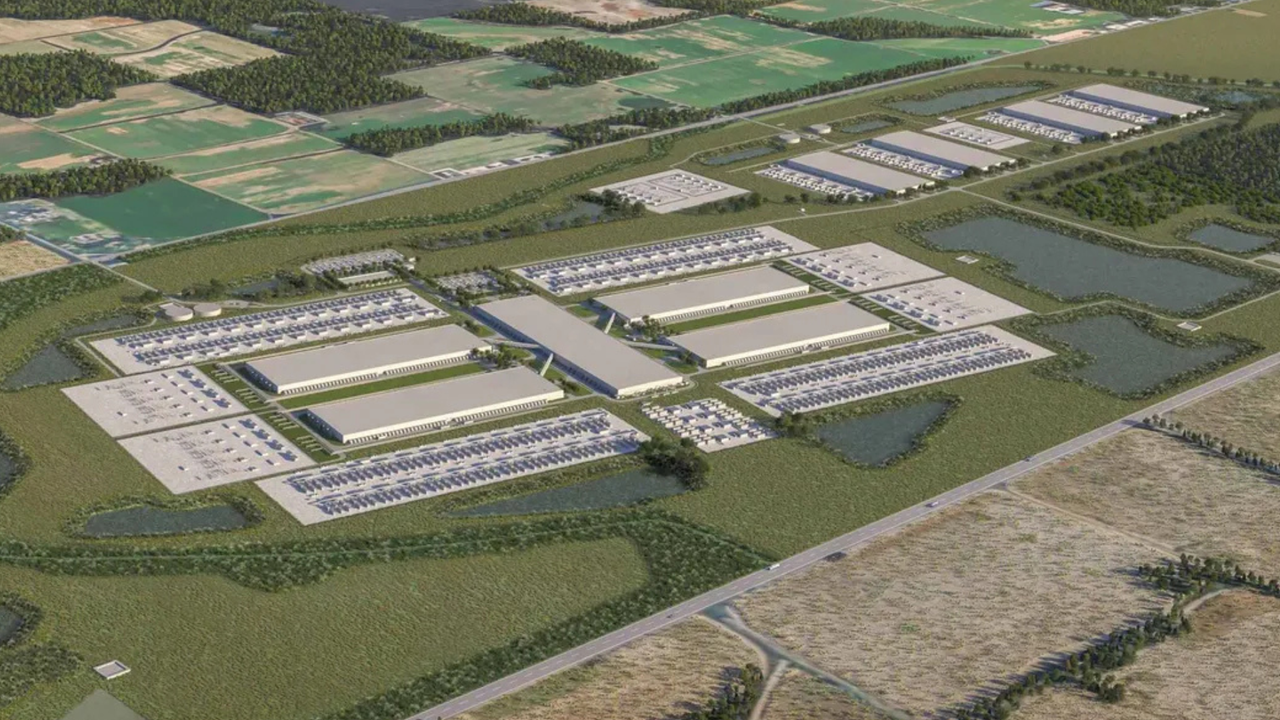
The New Frontier for AI Data Centers: Rural Areas
The landscape of artificial intelligence infrastructure development is witnessing a significant strategic shift. Companies designing and building data centers dedicated to AI workloads, including Large Language Models (LLMs), are increasingly focusing their attention on rural areas. This trend is not coincidental but responds to precise logics of process optimization and cost management, with a direct impact on deployment speed and overall Total Cost of Ownership (TCO).
A concrete example of this strategy emerges from Meta's planned data center in Louisiana. The choice of locations outside major urban centers proves to be a calculated move to overcome the complexities and constraints that characterize metropolitan areas, offering a model that could define the future of large-scale AI infrastructure deployment.
Strategic Reasons Behind the Choice
The primary motivation driving AI data center developers towards rural zones is the ability to bypass stringent regulations and construction bans often imposed by city administrations. Urban areas are notoriously subject to lengthy and complex bureaucratic processes, including city council approvals, rezoning votes, and extensive land-use reviews. These processes can significantly slow down project timelines and increase costs, making investment less attractive.
In contrast, rural locations offer a more streamlined regulatory environment, allowing companies to proceed more quickly and with fewer administrative hurdles. Added to this is another crucial factor: reduced public scrutiny. Large data centers, particularly those dedicated to AI, require vast amounts of energy and can have a significant impact on the local environment, often generating debates and opposition from resident communities. In less densely populated areas, public visibility and pressure tend to be lower, facilitating the implementation of large-scale projects.
Implications for On-Premise Deployment
For organizations evaluating the deployment of LLMs and other AI workloads in self-hosted or on-premise environments, the choice of infrastructure location is a critical factor. Rural areas, while offering advantages in terms of land costs and approval speed, also present specific trade-offs. It is essential to consider the availability of reliable and low-cost electricity, high-speed fiber optic connectivity, and proximity to a skilled workforce for maintenance and operations.
Data sovereignty and regulatory compliance, central aspects for AI-RADAR, are closely linked to the physical location of data centers. For companies operating in regulated sectors or handling sensitive data, the ability to maintain full control over infrastructure and data, even in an air-gapped environment, is a priority. Choosing a rural location can simplify some aspects of physical security and environmental control but requires careful planning to ensure all compliance requirements are met. For those evaluating on-premise deployment, AI-RADAR offers analytical frameworks on /llm-onpremise to assess complex trade-offs between costs, performance, and regulatory constraints.
Future Prospects and Challenges
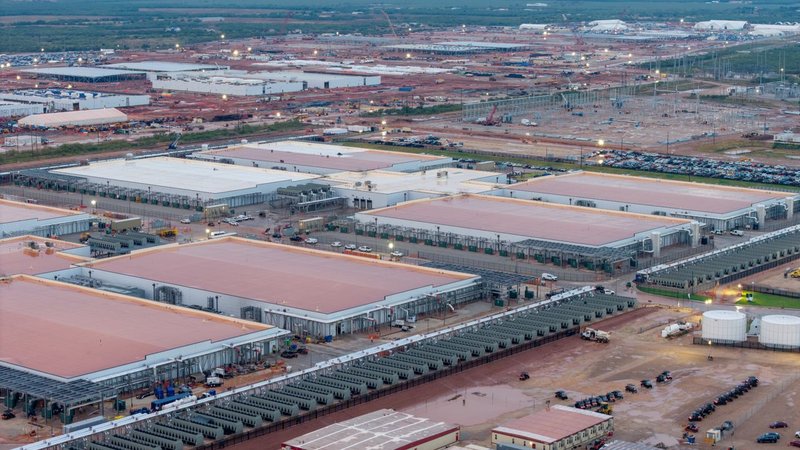
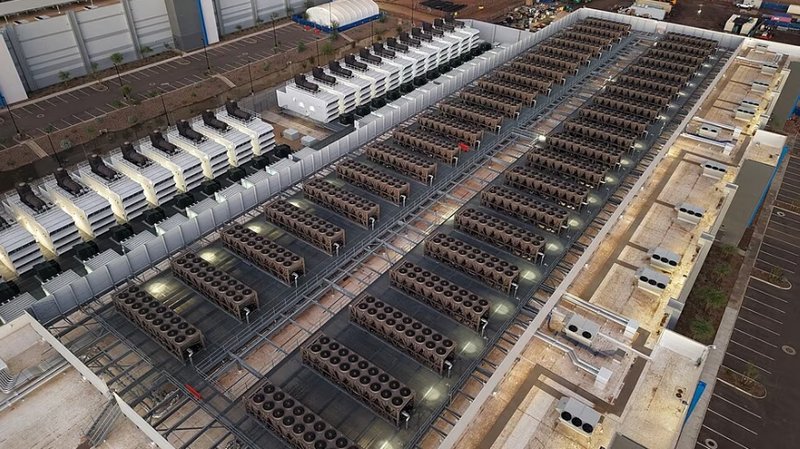
The trend of locating AI data centers in rural areas is set to consolidate as the demand for AI computing capacity continues to grow. However, this strategy is not without its challenges. Managing complex infrastructures in remote locations can entail additional logistical costs and make access to specialized support services more difficult. Furthermore, reliance on local power grids and less redundant network infrastructures compared to urban areas could introduce new points of vulnerability.
Ultimately, the decision regarding the location of an AI data center represents a delicate balance between opportunities and constraints. The ability to navigate regulations, optimize costs, and ensure operational resilience will be fundamental for the success of large-scale artificial intelligence deployments, whether for major hyperscalers or companies opting for self-hosted solutions.







💬 Comments (0)
🔒 Log in or register to comment on articles.
No comments yet. Be the first to comment!