
Growing Opposition to Data Centers in Rural Areas
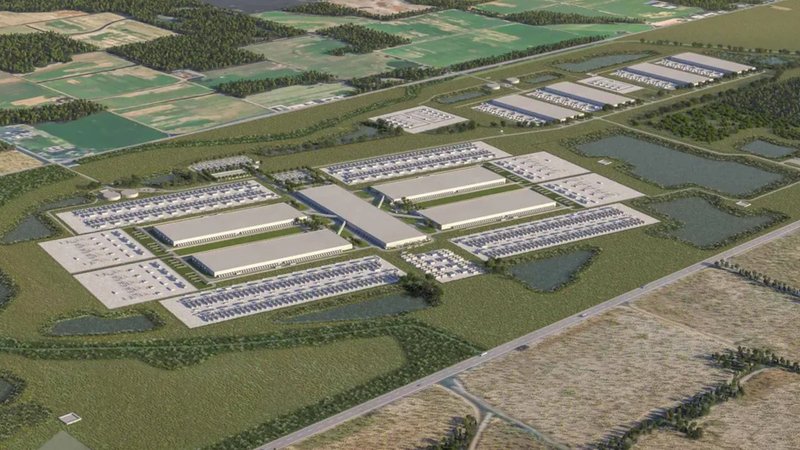
The rapid expansion of digital infrastructure, driven by the increasing demand for computing power for artificial intelligence and Large Language Models (LLMs), is leading to the construction of new data centers worldwide. However, this growth is not without its challenges, especially when it clashes with the needs and concerns of local communities. A prime example comes from Tazewell County, Illinois, where a proposed data center project was recently scrapped following strong opposition from residents.
Michael Deppert, a local farmer who relies on a natural aquifer to irrigate his pumpkin, corn, and soybean crops, expressed significant fears. His primary concern was that the data center, proposed about eight miles from his farm, would tap into the same aquifer, potentially jeopardizing crop yields, profits, and, more broadly, the availability of clean drinking water for the community. This incident highlights a growing tension between the need for advanced IT infrastructure and the conservation of vital natural resources.
Resource Demands and Implications for On-Premise Deployments
Modern data centers, particularly those designed to support intensive workloads like LLM training and inference, require substantial amounts of energy and, crucially, water for cooling systems. Energy efficiency and thermal management are critical aspects of designing these facilities, but reliance on water for cooling can create direct conflicts with the water needs of agricultural and residential communities, especially in areas where resources are already under pressure.
For companies evaluating on-premise deployments of AI infrastructure, the Illinois case offers an important lesson. Site selection cannot be limited to the availability of electricity and network connectivity. It is essential to consider the local environmental impact, including water availability and consumption, and community acceptance. These factors, often overlooked in the initial planning stages, can significantly impact the overall Total Cost of Ownership (TCO) of a project, adding unforeseen costs or, as in this case, leading to the cancellation of the initiative.
Data Sovereignty and Local Responsibility
The push towards self-hosted and air-gapped solutions is often motivated by data sovereignty requirements, regulatory compliance, and security. However, the decision to keep data and AI workloads on-premise also transfers the responsibility for managing physical resources and environmental impact directly to the company or entity undertaking the deployment. This includes the need to negotiate with local communities and demonstrate a commitment to sustainability and resource protection.
In Tazewell County, the opposition was organized and determined. Michael Deppert, as president of the local farm bureau lobby group, mobilized residents, who packed city council meetings and mounted petitions. This campaign demonstrated how local concerns can block development projects, even technologically advanced ones, if resource and environmental issues are not adequately addressed. The project, proposed by developer Western Hospitality Partners, was ultimately scrapped, highlighting the power of civic mobilization.
Future Perspectives for AI Infrastructure
The Illinois episode underscores that planning for AI and LLM infrastructure requires a holistic approach that goes beyond hardware specifications and performance metrics alone. Environmental sustainability and social impact have become integral components of the feasibility assessment for any large-scale deployment. Companies aiming to build or expand their on-premise AI computing capabilities must integrate careful site analysis and a robust community engagement plan into their strategies.
For those evaluating on-premise deployments, AI-RADAR offers analytical frameworks on /llm-onpremise to understand and balance these complex trade-offs. The lesson from Tazewell County is clear: the success of an infrastructure project depends not only on its technical or economic efficiency but also on its ability to integrate harmoniously into the local context, respecting the resources and needs of the communities that host it. Ignoring these aspects can lead to significant delays or, as in this case, the complete abandonment of the project.








💬 Comments (0)
🔒 Log in or register to comment on articles.
No comments yet. Be the first to comment!