A New Impetus for AI in Critical Infrastructure
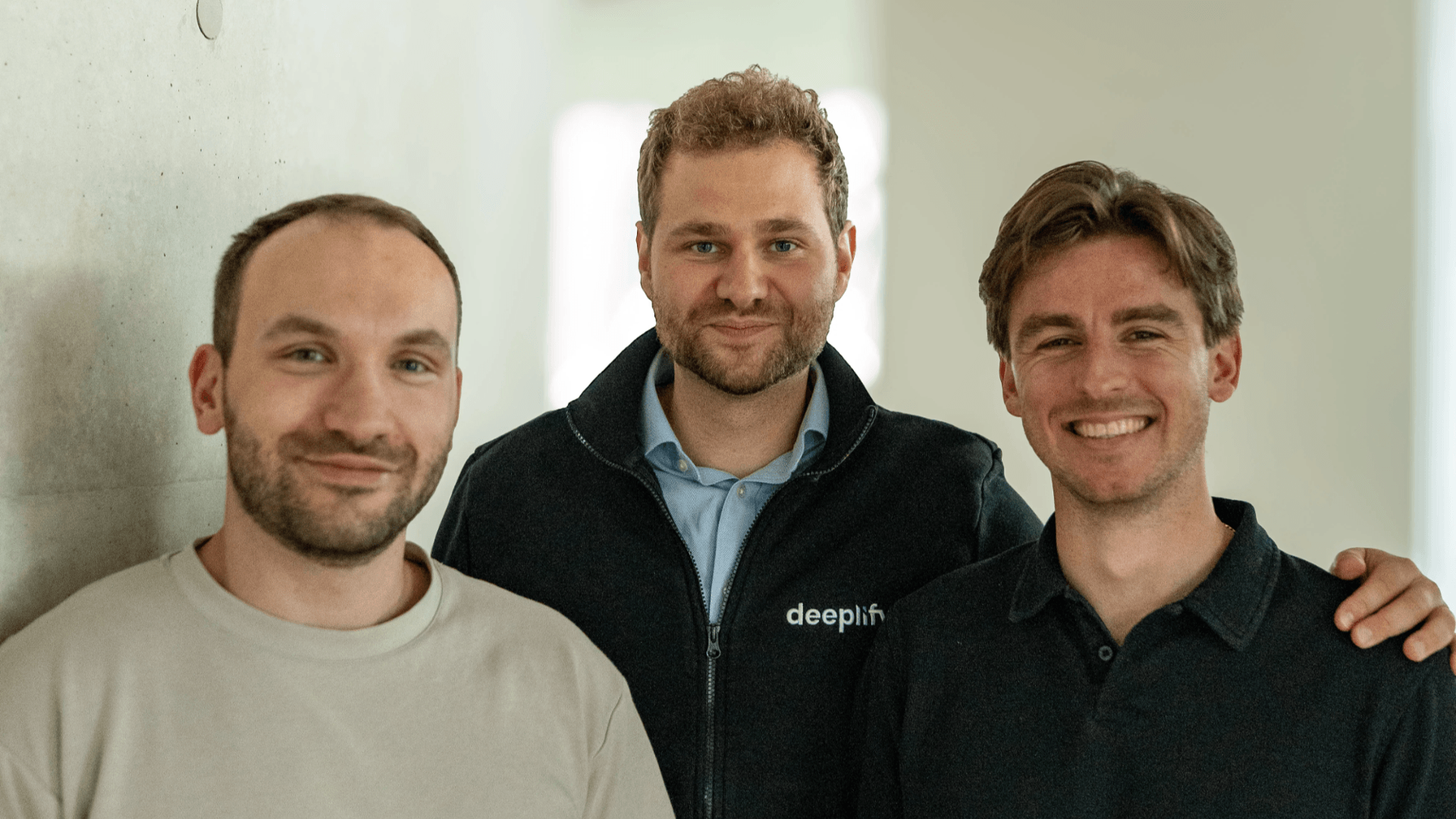
German industrial AI startup deeplify has announced the successful closing of a €2.0 million pre-seed funding round. The operation was led by D11Z Ventures, with participation from Vanagon Ventures, EWOR, and a group of strategic business angels. This investment is earmarked to support the company's mission: to modernize the inspection and management processes of critical infrastructure, a sector that, despite its vital importance, often struggles to adopt the latest technological innovations.
The capital raised will enable deeplify to expand its platform capabilities and accelerate deployments across key sectors, including energy, oil and gas, chemicals, and transportation. The goal is to bridge a significant gap in industrial operations, where AI adoption is still limited compared to other areas.
The Gap in Industrial AI and Its Challenges
While rapid advancements in artificial intelligence have transformed productivity tools and digital services, many sectors responsible for maintaining essential infrastructure still rely on fragmented and outdated processes. Inspection workflows often depend on spreadsheets, static documents, analogue imagery, and manual reporting, despite the high risks associated with undetected defects.
Jan Löwer, co-founder and CEO of deeplify, highlighted this discrepancy: “We have the most advanced software for digital-first workflows, but when it comes to determining if a high-pressure pipeline is safe, the industry is often still stuck in the past.” This situation is exacerbated by the European context, where the chemical sector, comprising around 31,000 companies, faces aging infrastructure, a shortage of experienced inspectors, and growing volumes of complex inspection data.
deeplify's Platform and Its Operational Advantages
To address these challenges, deeplify has developed an end-to-end AI platform for industrial inspection and asset integrity management. The solution connects workflows from raw sensor data to automated defect analysis and auditable reporting. This unified approach replaces fragmented processes, helping to reduce inspection time, minimize errors, and improve the traceability of operations.
The solution is grounded in real-world industrial experience. Early projects revealed significant inefficiencies in existing workflows, leading to an initial deployment with Open Grid Europe. Further pilots with SKF followed, and the platform is now used by inspection firms serving global energy companies such as Shell. These concrete use cases demonstrate the platform's effectiveness in enhancing the efficiency and safety of infrastructure operations.
Outlook and Implications for On-Premise Deployment
The newly secured funding will enable deeplify to further enhance its platform capabilities and accelerate deployments across a wide range of sectors. For companies operating with critical infrastructure, adopting AI solutions like deeplify's raises important considerations regarding deployment. Managing large volumes of raw sensor data, the need for real-time analysis, and requirements for data sovereignty and compliance often push towards self-hosted or hybrid architectures.
For those evaluating on-premise deployment of AI workloads, such as those for industrial data analysis, there are significant trade-offs between initial (CapEx) and operational (OpEx) costs, performance, and control. Solutions processing sensitive or proprietary data, such as those related to infrastructure safety, can greatly benefit from direct control over hardware and software, reducing reliance on third parties and ensuring regulatory compliance. AI-RADAR offers analytical frameworks on /llm-onpremise to evaluate these trade-offs, highlighting how the choice of a robust and controlled infrastructure can be crucial for the success and security of AI operations in critical industrial contexts.









💬 Comments (0)
🔒 Log in or register to comment on articles.
No comments yet. Be the first to comment!