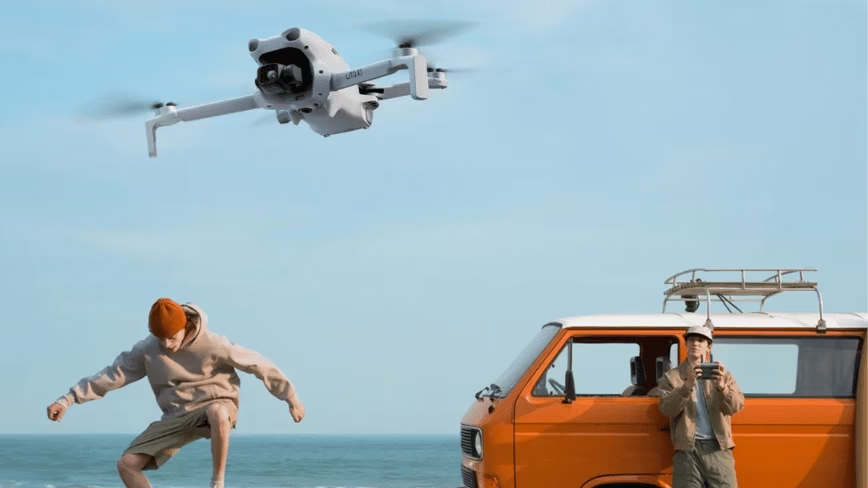
DJI: Droni ritirati dagli scaffali a Pechino
La mattina del 1° maggio, un evento significativo ha avuto luogo nel distretto finanziario di Guomao a Pechino. Il personale del negozio di punta di DJI ha iniziato a rimuovere tutti i droni dagli scaffali. Tra i modelli interessati figurano il Neo, il Mavic e il Mini, prodotti che hanno consolidato la posizione di DJI come leader indiscusso nel settore dei droni di consumo.
Questa operazione di ritiro ha coinvolto l'intera gamma di prodotti di punta del marchio, ma il negozio non ha chiuso i battenti. La decisione di DJI di svuotare i propri espositori in una delle sue sedi più prestigiose suggerisce una situazione complessa che va oltre una semplice riorganizzazione interna o una chiusura temporanea.
Contesto di mercato e implicazioni
DJI ha costruito una reputazione globale come innovatore e produttore dominante nel mercato dei droni per uso civile. I suoi prodotti sono diventati sinonimo di qualità e accessibilità, permettendo a milioni di utenti di esplorare nuove prospettive aeree. Il ritiro dei prodotti in un mercato chiave come quello cinese solleva interrogativi sulle dinamiche geopolitiche e commerciali che influenzano le aziende tecniciche globali.
Eventi come questo evidenziano le crescenti sfide che le aziende devono affrontare nel mantenere la propria operatività e presenza sul mercato in un panorama globale sempre più frammentato. Le pressioni possono derivare da normative governative, tensioni commerciali o questioni legate alla sovranità dei dati, fattori che possono impattare profondamente le strategie di vendita e distribuzione.
Sfide per i giganti tecnicici globali
Le aziende tecniciche che operano su scala internazionale si trovano spesso a navigare in un complesso intreccio di regolamentazioni e aspettative politiche. Decisioni come il ritiro di prodotti dal mercato possono essere il risultato di un'attenta valutazione dei rischi e delle opportunità in contesti geopolitici sensibili. Questo scenario non è esclusivo del settore dei droni, ma si estende a molti ambiti della tecnicia, inclusi i Large Language Models (LLM) e le infrastrutture AI.
Per le aziende che valutano deployment on-premise di soluzioni AI, la resilienza della supply chain e la conformità normativa sono aspetti cruciali. La capacità di un'azienda di garantire la sovranità dei dati e di operare in ambienti air-gapped può diventare un fattore determinante, specialmente quando le tensioni internazionali influenzano la disponibilità di hardware o software. AI-RADAR offre framework analitici su /llm-onpremise per valutare questi trade-off.
Prospettive future e resilienza
La situazione di DJI a Pechino è un monito per l'intero settore tecnicico sulla volatilità dei mercati globali e sull'importanza di una strategia aziendale resiliente. Le aziende devono essere preparate ad adattarsi rapidamente a cambiamenti normativi e politici che possono influenzare direttamente la loro capacità di vendere, produrre o distribuire i propri prodotti.
In un'epoca in cui il Total Cost of Ownership (TCO) e la continuità operativa sono prioritari, la capacità di anticipare e mitigare i rischi legati alla supply chain e all'accesso al mercato diventa fondamentale. La vicenda di DJI sottolinea come anche i leader di mercato debbano costantemente ricalibrare le proprie strategie per affrontare un ambiente operativo in continua evoluzione.






💬 Commenti (0)
🔒 Accedi o registrati per commentare gli articoli.
Nessun commento ancora. Sii il primo a commentare!