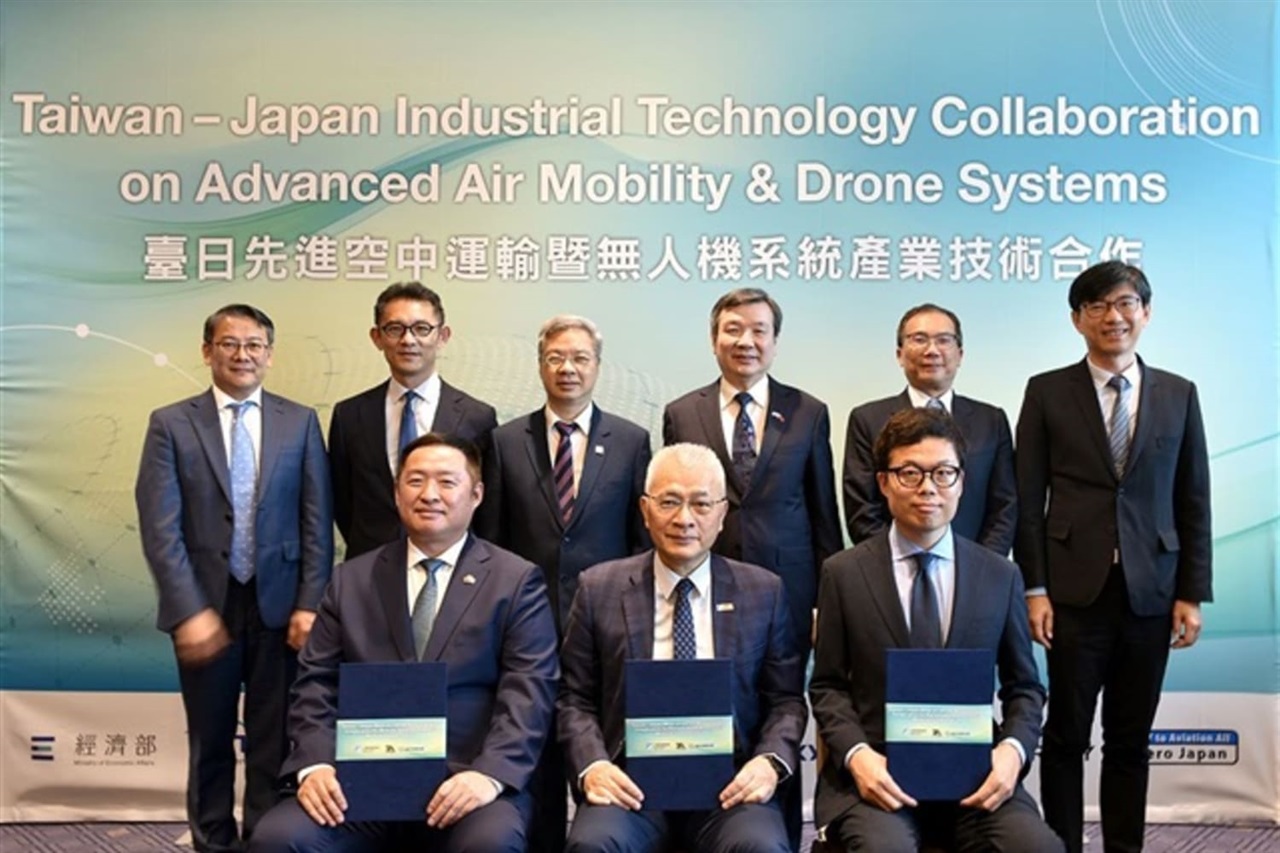
The DIGITIMES headline is sparse, yet it captures a trend that goes far beyond component trading. The expansion of ties between Taiwan’s drone sector and Japanese companies is not just an industrial affair: it is a testing ground for edge AI as sovereignty infrastructure.
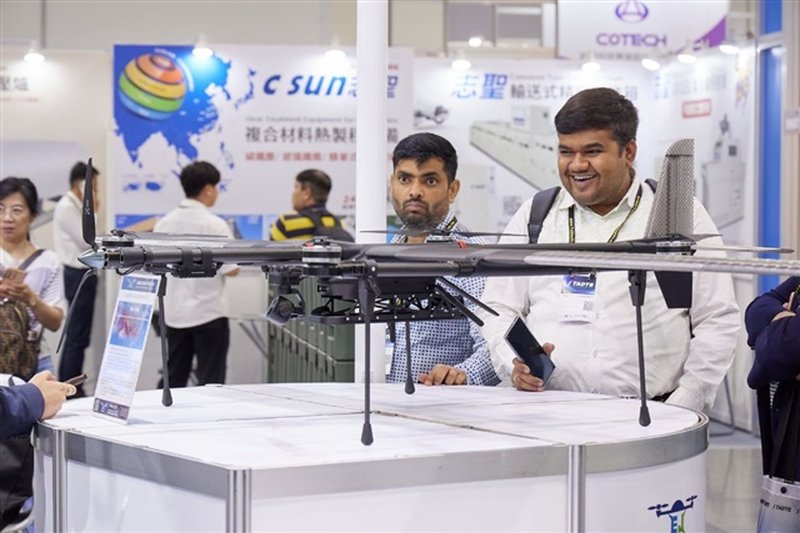
To grasp this, look inside a modern drone. Even mid-range models today process real-time video streams, avoid obstacles, track targets or inspect critical infrastructure. All operations that demand on-board inference, with no link to a remote data center. It is not an engineering shortcut: it is an architectural choice forced by latency, security, and a growing reluctance to export sensitive data onto someone else’s servers.
Taiwan and Japan share a unique asset for this game. Taiwan manufactures the world’s most advanced semiconductors and hosts a network of small and medium-sized firms capable of designing ARM- or RISC‑V-based embedded systems. Japan, for its part, is investing heavily in robotics and industrial automation, with an increasingly sharp eye on dual-use applications — those that slide quickly from civilian to military. A pact between drone makers on the two shores of the East China Sea means, concretely, circulating custom chip designs for inference, optical sensors, computer vision algorithms optimized for low-power hardware, and, crucially, ownership of the entire data processing pipeline.
The point, then, is not “which drone” or “which company.” It is that the alliance signals a structural shift away from the cloud-native architectures that dominated the past decade. Instead of collecting data, uploading it to AWS or Azure, processing it and returning a command, the edge model says: the model runs on the aircraft’s silicon, data never leaves the system’s physical circuit, decisions are taken in flight. This short-circuits dependence on large US cloud providers and, by extension, on licensing or certification mechanisms that pass through Washington.
The implications for those watching the on-premise LLM market are immediate. A drone is, at bottom, a shrunken mobile data center. The same tensions that push a government to demand locally inferencing drones are what push a European company today to evaluate self-hosting a language model: GDPR, data control, cost predictability, immunity from unilateral changes to terms of service. In both cases, what is at stake is not just technical but a matter of the architecture of information power.
Who gains? Taiwanese chip designers that can move beyond the pure TSMC model and become integrators of vertical AI solutions; Japanese drone manufacturers that find low-latency components without relying on extra-regional intermediaries; and edge orchestration platforms that manage quantized models in FP16 or INT8 on devices with just a few hundred megabytes of VRAM. Who loses? Cloud providers that see their most critical workloads evaporate, because a drone that decides autonomously generates no billable API traffic; and those who bet that “commodity AI” would remain forever in the big racks.
At a structural level, the DIGITIMES news tells us that the competition over inference hardware is no longer fought only inside data centers. It is waged aboard a quadcopter flying over a factory or a power line. And the measure of victory is no longer just teraFLOPS, but the ratio between compute capacity, energy consumption and data sovereignty. For those evaluating on-premise or edge deployments in their own organization, analogous trade-offs exist: it is not enough to “migrate the model locally” — the entire silicon supply chain and software distribution must be rethought, exactly as Taiwan and Japan are doing with their drones.




💬 Comments (0)
🔒 Log in or register to comment on articles.
No comments yet. Be the first to comment!