Dunwoody: Accesso a Telecamere Sensibili per Demo, Rinnovato Contratto con Flock Safety
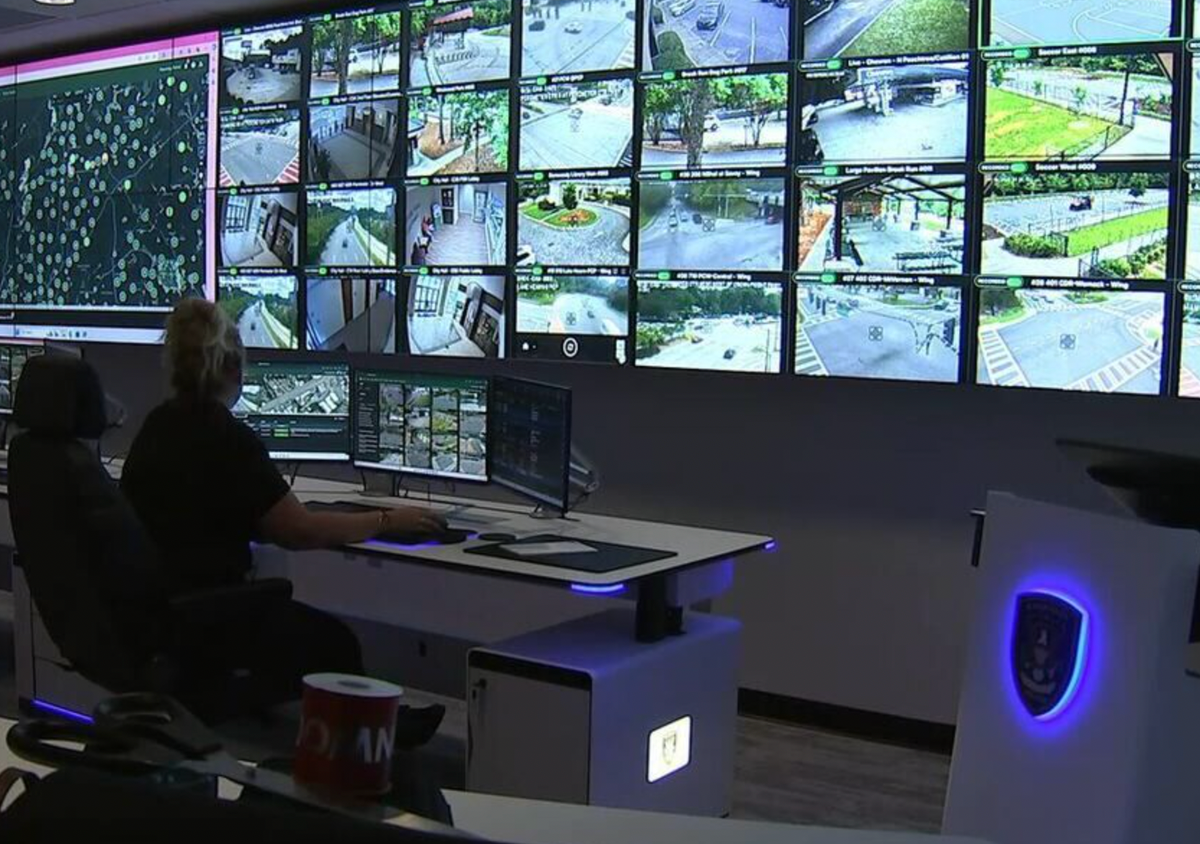
Una recente rivelazione ha scosso i residenti di Dunwoody, un sobborgo di Atlanta, in Georgia. È emerso che dipendenti di Flock Safety, un'azienda specializzata in tecnicia di sorveglianza, hanno avuto accesso a telecamere sensibili all'interno della città. L'obiettivo era utilizzare queste riprese per dimostrazioni di vendita a dipartimenti di polizia in tutto il paese. Tra le aree monitorate figurano una palestra per bambini, un parco giochi, una scuola, un centro comunitario ebraico e una piscina, sollevando immediate preoccupazioni sulla privacy e la sicurezza dei dati sensibili.
La vicenda è venuta alla luce grazie all'iniziativa di Jason Hunyar, un residente di Dunwoody, che ha ottenuto i registri di accesso di Flock Safety tramite una richiesta di accesso agli atti pubblici. Le sue scoperte, dettagliate in un post intitolato "Perché i dipendenti di Flock stanno osservando i nostri figli?", hanno messo in discussione le pratiche dell'azienda e la supervisione da parte delle autorità cittadine. Nonostante la controversia e le preoccupazioni espresse dalla comunità, la città di Dunwoody ha deciso di rinnovare il contratto con Flock Safety.
La Controversia e la Difesa di Flock Safety
Flock Safety ha riconosciuto che l'accesso alle telecamere è avvenuto, ma ha contestato la caratterizzazione degli eventi da parte di residenti e attivisti. Un portavoce dell'azienda ha dichiarato che Dunwoody fa parte di un "programma di partnership per le demo", in cui la città autorizza specifici dipendenti di Flock ad accedere ai sistemi per dimostrare nuovi prodotti e funzionalità in fase di sviluppo. L'azienda ha inoltre specificato che ingegneri selezionati possono accedere agli account con il permesso del cliente per attività di debug o per risolvere eventuali problemi. Flock ha categoricamente negato qualsiasi attività di "spionaggio sui bambini nei parchi", definendo tali accuse "inequivocabilmente false".
L'azienda ha anche sostenuto di essere più trasparente rispetto ad altre realtà nel settore della sorveglianza, proprio per il fatto di generare registri di accesso che possono essere ottenuti tramite richieste di accesso agli atti pubblici. Questa argomentazione, tuttavia, si scontra con le politiche pubbliche di Flock, che nella sua pagina FAQ afferma che "i clienti di Flock possiedono i loro dati" e che "Flock non condividerà, venderà o accederà ai vostri dati". Inoltre, si legge che "nessuno di Flock Safety accede o monitora le vostre riprese". Le discrepanze tra le dichiarazioni pubbliche e le pratiche rivelate dai registri di accesso sollevano interrogativi sulla coerenza delle politiche aziendali e sulla fiducia dei clienti.
Implicazioni per la Sovranità dei Dati e il Controllo dell'Framework
I registri ottenuti da Hunyar hanno evidenziato che alcune delle telecamere accedute si trovavano in luoghi particolarmente sensibili, come la piscina del Marcus Jewish Community Center di Atlanta e la palestra per bambini dello stesso centro, oltre a diversi centri fitness e studi privati. Questo dimostra l'ampiezza dei sistemi di sorveglianza di Flock, che possono inglobare non solo telecamere acquistate dalla città, ma anche quelle di proprietà di aziende private. La capacità di Flock di integrare e accedere a un'infrastruttura di sorveglianza così vasta, che include sia asset pubblici che privati, pone sfide significative in termini di sovranità dei dati e controllo.
Per le organizzazioni che valutano il deployment di sistemi complessi, inclusi i Large Language Models (LLM) o altre soluzioni AI che gestiscono dati sensibili, questo caso sottolinea l'importanza di accordi chiari e robusti sulla gestione dei dati. La scelta tra soluzioni self-hosted e quelle basate su cloud o ibride deve considerare attentamente chi ha accesso ai dati, dove sono archiviati e come vengono utilizzati. La promessa di "radical transparency" attraverso i log di accesso è un passo, ma la governance dei dati e le politiche di accesso devono essere esplicite e inequivocabili, specialmente quando si tratta di dati sensibili o di infrastrutture critiche.
Lezioni per il Deployment di Sistemi Tecnologici
A seguito delle rivelazioni, Flock Safety ha annunciato che smetterà di utilizzare le telecamere di Dunwoody per le proprie dimostrazioni e si impegnerà a formare i propri dipendenti affinché conducano le demo solo in luoghi più pubblici, come i parcheggi di centri commerciali. L'azienda ha difeso i propri dipendenti, affermando che hanno agito con il permesso esplicito della città e che le accuse di "spionaggio sui bambini" sono gravi e infondate.
Questo episodio offre spunti cruciali per CTO, responsabili DevOps e architetti di infrastrutture che si trovano a definire strategie di deployment per carichi di lavoro AI/LLM. La vicenda di Dunwoody evidenzia la necessità di una due diligence approfondita sui fornitori di tecnicia, in particolare per quanto riguarda le politiche di accesso ai dati, la loro gestione e la conformità con le normative sulla privacy. La capacità di un'azienda di accedere a dati sensibili, anche con il permesso del cliente, deve essere bilanciata con la necessità di mantenere un controllo rigoroso e di garantire la sovranità dei dati. AI-RADAR offre framework analitici su /llm-onpremise per valutare i trade-off tra controllo, sicurezza e costi totali di proprietà (TCO) nelle decisioni di deployment on-premise.








💬 Commenti (0)
🔒 Accedi o registrati per commentare gli articoli.
Nessun commento ancora. Sii il primo a commentare!