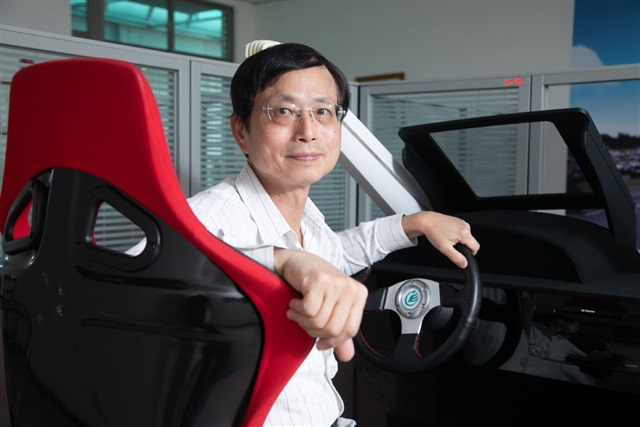
E-Lead di Taiwan: dai display HUD ai sistemi completi per smart cockpit
E-Lead, azienda taiwanese con una consolidata esperienza nel settore degli head-up display (HUD), sta intraprendendo un'espansione strategica significativa. L'azienda, precedentemente focalizzata su soluzioni di visualizzazione per il parabrezza, sta ora orientando le proprie risorse verso lo sviluppo di sistemi completi per smart cockpit. Questa mossa riflette una tendenza più ampia nell'industria automobilistica, dove l'integrazione di tecnicie avanzate e l'esperienza utente a bordo veicolo stanno diventando fattori di differenziazione cruciali.
Il passaggio da componenti specifici a sistemi integrati posiziona E-Lead in un segmento di mercato in rapida crescita. I moderni veicoli richiedono piattaforme sempre più sofisticate, capaci di gestire una moltitudine di funzioni, dalla navigazione all'intrattenimento, dalla sicurezza attiva alla personalizzazione dell'ambiente di guida. Questa evoluzione richiede un approccio olistico che combini hardware robusto, software intelligente e connettività affidabile.
L'Evoluzione dei Sistemi Smart Cockpit
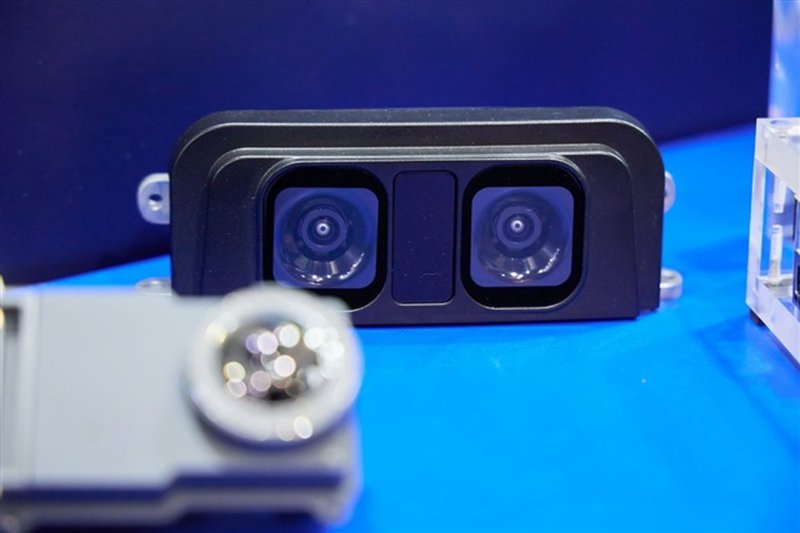
I sistemi smart cockpit rappresentano il cuore digitale del veicolo, integrando funzionalità che vanno ben oltre il semplice infotainment. Essi comprendono interfacce utente intuitive, assistenti vocali avanzati (spesso basati su LLM leggeri per l'edge), sistemi di monitoraggio del conducente e del passeggero, e la gestione di dati provenienti da sensori esterni e interni. L'obiettivo è creare un ambiente di guida più sicuro, confortevole e personalizzato.
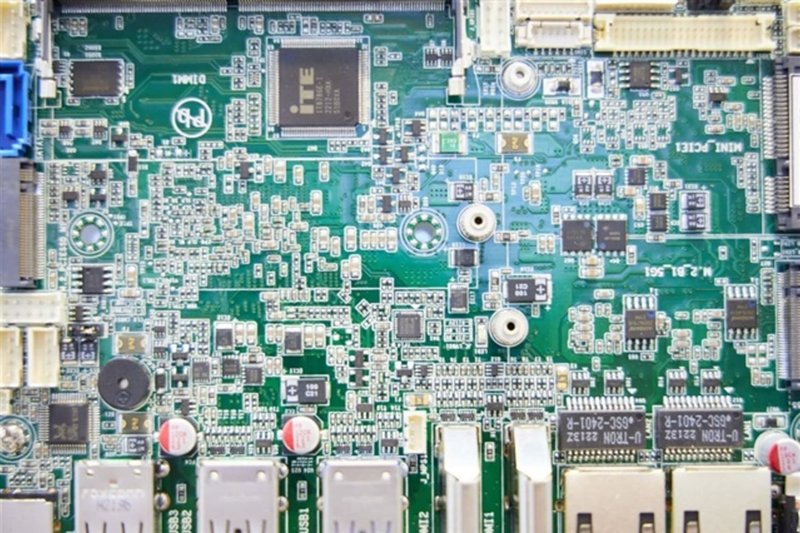
Per realizzare queste capacità, i sistemi smart cockpit si affidano a una complessa architettura di elaborazione. Questo include spesso l'impiego di unità di elaborazione grafica (GPU) o acceleratori AI dedicati, capaci di eseguire operazioni di Inference in tempo reale direttamente a bordo veicolo. La necessità di bassa latenza e alta affidabilità rende il deployment edge, o on-premise all'interno del veicolo, una scelta obbligata per molte di queste funzioni critiche. La gestione efficiente della VRAM e del throughput diventa quindi un fattore determinante nella progettazione di queste soluzioni.
Implicazioni Tecnologiche e di Deployment
Lo sviluppo di sistemi smart cockpit completi comporta sfide tecniche considerevoli. La progettazione deve bilanciare potenza di calcolo, consumo energetico e gestione termica, tutti vincoli stringenti in un ambiente come quello automobilistico. Il silicio specializzato per l'AI edge, ottimizzato per carichi di lavoro specifici e con requisiti di potenza ridotti, gioca un ruolo fondamentale. La capacità di eseguire modelli di Machine Learning, inclusi LLM, con tecniche di Quantization avanzate è essenziale per massimizzare le performance con risorse limitate.
Dal punto di vista del deployment, le soluzioni per smart cockpit sono un esempio paradigmatico di elaborazione edge. I dati sensibili, come quelli biometrici o di localizzazione, spesso non possono lasciare il veicolo per ragioni di privacy e sovranità dei dati, rendendo l'elaborazione air-gapped o self-hosted a bordo veicolo una necessità. Questo approccio garantisce non solo la conformità a normative come il GDPR, ma anche una maggiore sicurezza e una latenza minima per le funzioni critiche. Per chi valuta deployment on-premise o edge, come nel settore automotive, esistono trade-off significativi tra performance, TCO e sovranità dei dati. AI-RADAR offre framework analitici su /llm-onpremise per valutare queste scelte e comprendere i vincoli specifici di ogni scenario.
Prospettive Future e Sfide
L'espansione di E-Lead nei sistemi smart cockpit la posiziona al centro di un'innovazione che ridefinirà l'esperienza di guida. Il futuro vedrà un'ulteriore integrazione di AI, connettività 5G e servizi basati su cloud, ma sempre con un occhio di riguardo all'elaborazione locale per le funzioni più critiche. La personalizzazione estrema, la manutenzione predittiva e l'interazione multimodale diventeranno standard.
Le sfide includono la rapida evoluzione tecnicica, la necessità di standardizzazione tra i diversi produttori e le normative in continua evoluzione. Le aziende come E-Lead dovranno navigare in questo panorama complesso, innovando costantemente per offrire soluzioni che siano non solo all'avanguardia, ma anche sicure, affidabili e conformi alle esigenze di privacy e controllo dei dati. La capacità di integrare diverse tecnicie in una pipeline coerente sarà la chiave del successo in questo mercato dinamico.








💬 Commenti (0)
🔒 Accedi o registrati per commentare gli articoli.
Nessun commento ancora. Sii il primo a commentare!