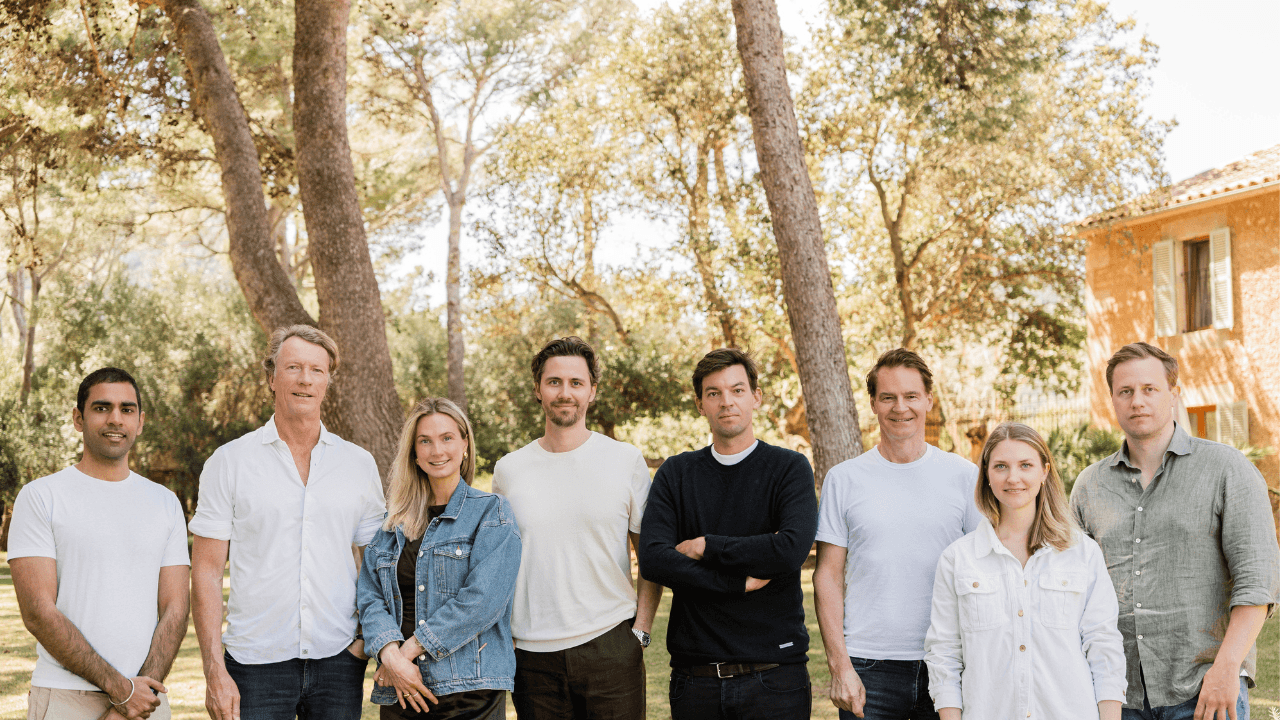
Earlybird VC rafforza la strategia con il Fondo VIII da 360 milioni
Earlybird VC, una delle principali società di venture capital europee, ha annunciato la chiusura del suo ottavo fondo early-stage, raccogliendo 360 milioni di euro. Questa operazione rappresenta la più grande raccolta fondi nella storia dell'azienda, consolidando un percorso di quasi tre decenni che ha visto la società attrarre nuovo capitale ogni tre o quattro anni, indipendentemente dalle condizioni di mercato. Con questo nuovo fondo, Earlybird gestisce ora un totale di 2,5 miliardi di euro in asset attraverso le sue diverse strategie di investimento tecnicico, inclusi Earlybird Health e vari veicoli di crescita.
Il Fondo VIII ha già iniziato a operare, con i primi investimenti che riflettono la chiara direzione strategica di Earlybird. L'attenzione è rivolta all'infrastruttura AI, alle applicazioni verticali e alle tecnicie fondazionali emergenti in tutta Europa. Tra le aziende già supportate figurano Black Forest Labs, SpAItial AI, Sintra, Arago, Porters e Rivia, con ulteriori annunci previsti per investimenti in fase "stealth".
Dove si genera valore nello stack AI: la tesi di Earlybird
Secondo il Dott. Andre Retterath, Partner di Earlybird VC e responsabile della pratica di investimento in AI e infrastrutture, la tesi dell'azienda si è evoluta significativamente negli ultimi anni. Retterath sottolinea come, analizzando lo stack dell'intelligenza artificiale, i margini di profitto varino drasticamente a seconda del livello. Le aziende che operano a livello di applicazione spesso registrano margini sottili, a volte negativi, a causa dell'elevata competitività e della facilità di sviluppo di nuovi prodotti.
Al contrario, i modelli fondazionali tendono a posizionarsi in un intervallo di margini del 30-50%. Tuttavia, è scendendo ulteriormente nello stack, verso l'infrastruttura e l'hardware, che si riscontrano margini materialmente più elevati, con esempi come Nvidia che operano tra il 70% e il 75%. Questa tendenza è legata alle maggiori barriere all'ingresso e alla più forte difendibilità che caratterizzano i livelli più profondi dello stack. Per chi valuta deployment on-premise, comprendere queste dinamiche è cruciale per ottimizzare il TCO e garantire la sovranità dei dati, investendo in soluzioni infrastrutturali robuste.
Un vantaggio competitivo nel deeptech e la continuità generazionale
La logica di privilegiare i livelli più profondi e difendibili dello stack tecnicico ha plasmato a lungo la strategia di investimento di Earlybird. Questo approccio ha permesso all'azienda di individuare e sostenere realtà come Isar Aerospace e Marvel Fusion ben prima che le loro rispettive tecnicie diventassero mainstream. Retterath attribuisce questo successo all'attenzione di Earlybird per le aziende con un forte differenziale tecnicico, piuttosto che per le sole innovazioni di modello di business. Molti dei partner di Earlybird provengono da background tecnici, il che influenza la loro capacità di identificare opportunità complesse e ad alta barriera d'ingresso.
Parallelamente alla strategia di investimento, Earlybird ha ristrutturato la propria governance introducendo un modello di "proprietà attiva perpetua". Questo approccio è progettato per garantire la continuità generazionale e l'indipendenza a lungo termine, mantenendo la proprietà esclusivamente tra i partner attivi e trasferendola continuamente alla generazione successiva. L'obiettivo è rimuovere le barriere strutturali all'accesso alla partnership, legando la proprietà al merito e al contributo a lungo termine, piuttosto che alla ricchezza personale. Questo modello mira anche a migliorare la retention dei talenti, offrendo un percorso chiaro verso la leadership in un settore dove la successione è spesso una sfida irrisolta.
Prospettive per l'ecosistema tecnicico europeo
Il Fondo VIII si basa su decenni di esperienza e su un team "AI-native" presente nei principali hub europei. Retterath sottolinea che la maggior parte degli LP (Limited Partners) ha sostenuto Earlybird per diverse generazioni di fondi, e il modello di proprietà perpetua mira a garantire un'evoluzione continua senza perdere di vista i principi fondanti.
L'Europa sta entrando in una nuova fase, con l'AI che accelera la trasformazione di intere industrie. Retterath si mostra ottimista riguardo al futuro del continente, sostenendo che gli sviluppi geopolitici che hanno spinto l'Europa a prendere più seriamente la questione della sovranità stanno creando un forte slancio in tecnicia, infrastruttura e capitale. L'Europa, secondo Retterath, possiede il talento, la base di ricerca e, sempre più, il capitale per costruire aziende di rilevanza globale. Storicamente, le startup europee si sono dimostrate anche più efficienti in termini di capitale, un ulteriore vantaggio in questo scenario.






💬 Commenti (0)
🔒 Accedi o registrati per commentare gli articoli.
Nessun commento ancora. Sii il primo a commentare!