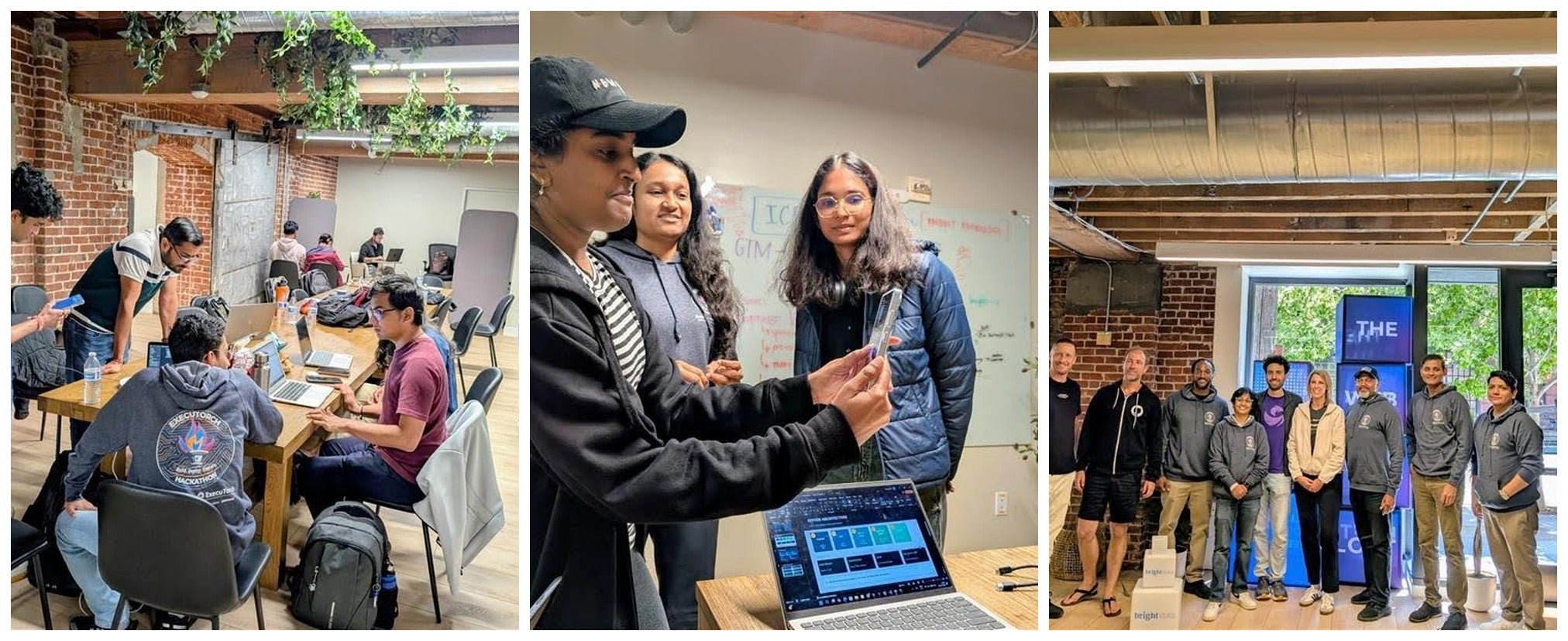
San Francisco, 27-28 giugno 2026. Oltre cento sviluppatori si sono chiusi in una sala con un obiettivo chiaro: dimostrare che l’intelligenza artificiale non deve per forza abitare in un data center. L’ExecuTorch Hackathon, organizzato con il supporto di Qualcomm, Meta, GitHub e PyTorch Foundation, e con Samsung come partner hardware, ha messo a disposizione dispositivi Galaxy S25 Ultra basati su Snapdragon. Ma il vero protagonista era il runtime ExecuTorch, il framework del ecosistema PyTorch Edge pensato per portare modelli di visione, voce e IA generativa su mobile, wearable e microcontrollori.
L’evento ha respinto l’astrazione da laboratorio. I team hanno dovuto costruire applicazioni reali, con un’interfaccia utente, vincoli di latenza stretti, funzionamento offline e attenzione ai consumi. La scommessa? Che l’esecuzione locale non sia un ripiego per quando manca la rete, ma il prerequisito per esperienze che il cloud non può offrire: reattività immediata, privacy solida, controllo granulare e costi di infrastruttura ridotti.
Tre progetti hanno catturato l’essenza di questa tesi. SafeScreen AI (primo premio) analizza contenuti visivi in tempo reale direttamente sul dispositivo, rilevando materiale esplicito o manipolato prima che l’utente lo visualizzi. Nessun dato lascia il telefono: la protezione scatta localmente, con mascheramento o offuscamento istantaneo. È il tipo di intervento che non tollera il round-trip verso un server remoto, né mette a rischio la riservatezza di immagini sensibili.
SixthSense, secondo classificato, ha portato l’assistenza per non vedenti e ipovedenti su una fascia aptica connessa allo smartphone. Il telefono, usando modelli eseguiti localmente via ExecuTorch, interpreta l’ambiente, stima la profondità, separa gli ostacoli per zone e invia vibrazioni direzionali. La latenza deve essere minima perché il feedback tattile sia utile in spazi affollati; la connettività intermittente non può diventare un ostacolo. Qui l’edge non è solo un’opzione: è l’unica architettura sensata.
Toddle AI (terzo premio) analizza i pattern di camminata dei bambini piccoli usando stima della posa a 33 landmark e una pipeline explainable, il tutto in locale. I genitori ricevono osservazioni strutturate senza mai caricare video su server esterni. Lavorare con dati familiari significa garantire che nessun byte sfugga al controllo domestico, anche a costo di far girare l’inference su risorse hardware limitate.
Dal punto di vista di chi oggi valuta strategie di deployment, la maratona conferma un trend che va oltre la sperimentazione. ExecuTorch non è solo un wrapper per l’inference: è un runtime leggero che sfrutta CPU, NPU e DSP, permettendo di mantenere il workflow PyTorch familiare anche quando ci si sposta su architetture embedded. Questo abbassa la barriera per muovere modelli dalla ricerca alla produzione su dispositivi nutrono reali: non si tratta di sacrificare precisione, ma di cercare un punto di equilibrio tra performance e vincoli fisici, un’operazione che in ambito enterprise richiede metriche chiare su TCO, manutenibilità e aggiornamento dei modelli.
L’hackathon ha anche ricordato un dato che spesso sfugge alle discussioni sul Total Cost of Ownership: spostare il carico computazionale verso il dispositivo cliente non elimina i costi, li ridistribuisce. Ridurre la dipendenza dal cloud può abbassare le spese operative legate al traffico dati e alla latenza delle API, ma pone esigenze nuove di governance dei modelli, distribuzione degli aggiornamenti e compatibilità hardware. Chi segue la strada dell’on-premise o dell’edge deve pianificare test sistematici su configurazioni eterogenee, proprio come hanno fatto i partecipanti lavorando su uno stesso SoC.
Non è un caso che tutti i vincitori abbiano puntato su scenari dove la privacy non è un requisito accessorio ma il fondamento del valore. L’analisi visiva locale, l’assistenza aptica in ambienti non cablati e il monitoraggio pediatrico sono nicchie che il solo cloud non può coprire in modo credibile. L’evento ha mostrato che la comunità di sviluppatori è pronta a progettare per questi vincoli, a patto che gli strumenti (come ExecuTorch e i modelli quantizzati) siano maturi e ben documentati.
In una fase in cui l’industria discute se l’AI del futuro sarà cloud-native, ibrida o completamente locale, l’ExecuTorch Hackathon ha fornito una risposta pragmatica: il confine non è netto, ma quando latenza, autonomia e riservatezza diventano irrinunciabili, far girare i modelli dove nascono i dati è la scelta architetturale più pulita. I tre progetti premiati non sono demo da palcoscenico; sono bozze di prodotto che indicano una direzione ormai percorribile per chiunque progetti servizi digitali in settori regolamentati o sensibili.






💬 Commenti (0)
🔒 Accedi o registrati per commentare gli articoli.
Nessun commento ancora. Sii il primo a commentare!