A New Route for Global Connectivity
The European Union is evaluating an ambitious initiative: the construction of an undersea cable that would traverse the North Pole to directly connect Europe and Asia. The project, named "Polar Connect," aims to be operational by 2030 and represents a significant step towards diversifying global network infrastructures. This new data pipeline is designed to meet the growing demand for high-speed, low-latency connectivity between the two continents.
The primary objective of Polar Connect is not only technical but also strategic. The cable is designed to bypass existing routes that pass through the Strait of Hormuz and Russia, areas that can present geopolitical risks or infrastructural vulnerabilities. For companies and organizations managing critical workloads, including Large Language Models (LLM) and other AI applications, the resilience and security of network infrastructures are paramount.
Geopolitical and Strategic Implications
The decision to explore an Arctic route underscores the importance of data sovereignty and the resilience of digital infrastructures. Currently, much of the data traffic between Europe and Asia transits through terrestrial and undersea routes that may be subject to interruptions or controls by non-European jurisdictions. A direct link under the North Pole would offer a strategic alternative, reducing dependence on geographical and political choke points.
This approach aligns with the needs of CTOs, DevOps leads, and infrastructure architects who prioritize data control and security. The ability to choose more stable network paths less exposed to external risks is a key factor in evaluating the Total Cost of Ownership (TCO) of IT infrastructures, especially for self-hosted or air-gapped deployments where operational continuity is crucial.
Technical Challenges of Arctic Deployment
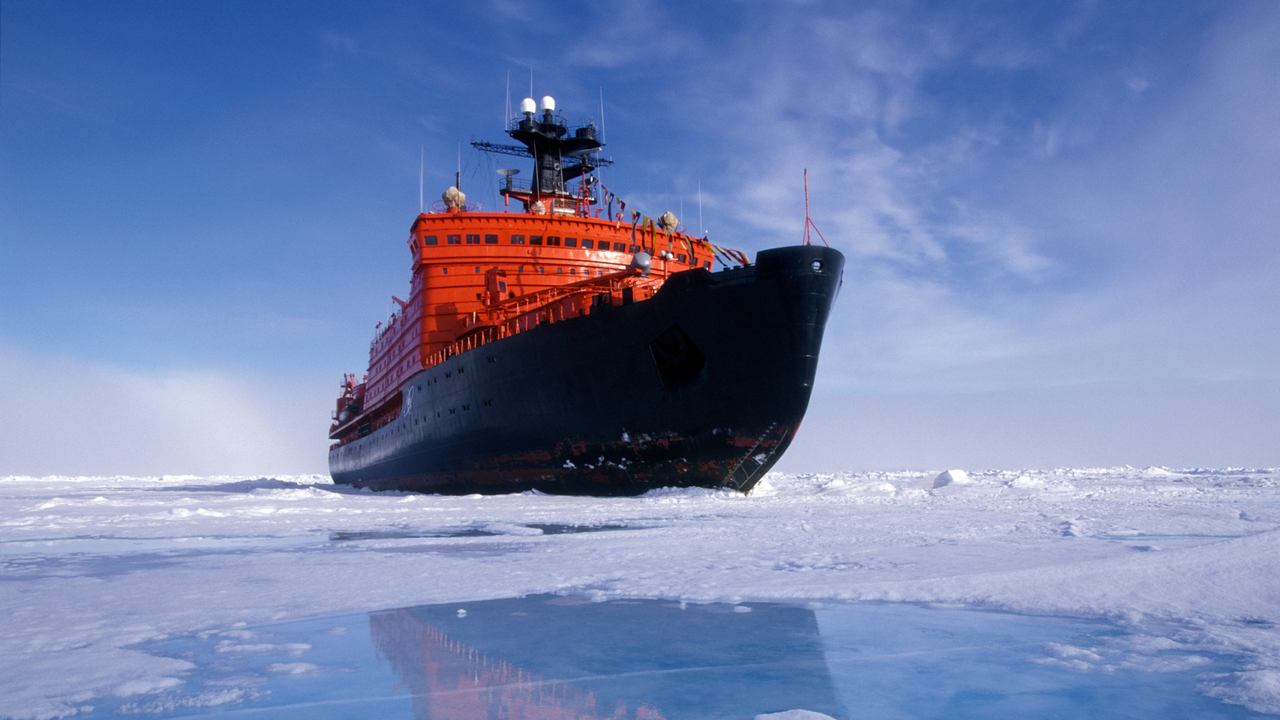
The realization of Polar Connect involves considerable technical challenges. The Arctic environment is one of the most hostile on the planet, characterized by extreme temperatures, thick sea ice, and unpredictable weather conditions. The deployment and maintenance of an undersea cable in these conditions require advanced technologies and specialized vessels, such as icebreakers capable of operating in ice-covered seas.
These technical difficulties translate into potentially high CapEx and OpEx costs, but the benefits in terms of resilience and security could justify the investment. The planning and execution of a project of this magnitude require precision engineering and a deep understanding of Arctic environmental dynamics to ensure the durability and reliability of the infrastructure for decades.
Future Prospects for Data Infrastructure
If Polar Connect comes to fruition, it would represent an important evolution in global network architecture. It would offer not only a shorter and potentially faster route for data traffic between Europe and Asia but also an additional layer of security and diversification for companies relying on uninterrupted connectivity. This is particularly relevant for organizations handling sensitive data or requiring high availability for their AI and intensive computing operations.
For those evaluating on-premise deployments of LLMs and other AI solutions, the availability of resilient and geopolitically neutral network infrastructures is an enabling factor. AI-RADAR, for example, offers analytical frameworks to evaluate the trade-offs between different deployment options, considering aspects such as data sovereignty and TCO. Projects like Polar Connect contribute to creating a more robust global ecosystem, essential for the future of technological innovation and data management.






💬 Comments (0)
🔒 Log in or register to comment on articles.
No comments yet. Be the first to comment!