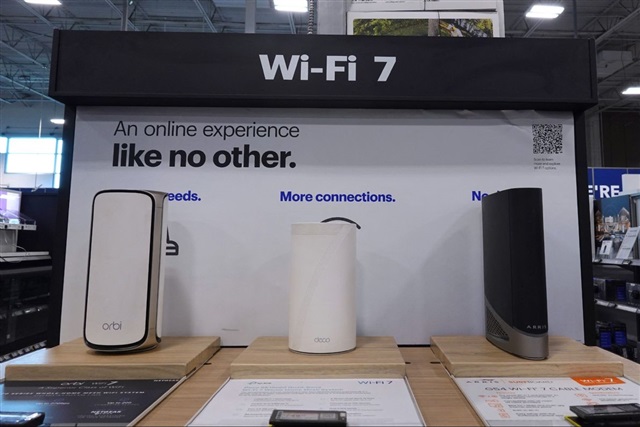
FCC Tightens Ban on Non-US Networking Devices
The Federal Communications Commission (FCC) has announced a significant expansion of its ban on authorizing new communications equipment manufactured by specific non-US entities. This move, driven by national security concerns, aims to limit the proliferation of technologies that could pose a risk to the nation's critical infrastructure. While primarily focused on security, the decision is expected to generate new pressures on global supply chains, with potential repercussions for companies that rely on a steady flow of networking hardware.
The expanded ban is not limited to specific vendors but extends to a broader category of networking devices, complicating planning for organizations operating internationally. For companies evaluating or managing on-premise Large Language Model (LLM) deployments, the availability and reliability of networking hardware are crucial factors. This new regulation could directly influence vendor selection and the availability of essential components for building and expanding local data centers.
Security, Sovereignty, and AI Infrastructure
The issue of network infrastructure security is intrinsically linked to the concept of data sovereignty and control over underlying hardware. For CTOs, DevOps leads, and infrastructure architects, the origin and integrity of network components are fundamental aspects, especially when dealing with sensitive workloads like those of LLMs. A compromised infrastructure at the hardware level can expose sensitive data, undermine regulatory compliance, and jeopardize the entire AI pipeline.
Decisions like the FCC's highlight governments' increasing focus on protecting their networks from potential external threats. This translates into greater complexity for companies seeking to balance technological innovation with the need to adhere to stringent security and compliance standards. The choice of a self-hosted or air-gapped infrastructure for LLMs, often motivated precisely by the pursuit of greater control and data sovereignty, now requires an even deeper analysis of the hardware component supply chain.
Impact on On-Premise Deployments and TCO
The expanded ban on non-US networking devices will directly impact procurement strategies for on-premise infrastructures. Companies may face a reduced number of approved suppliers, which could lead to increased costs and longer delivery times for networking hardware. This scenario directly affects the Total Cost of Ownership (TCO) of on-premise LLM deployments, a critical factor for decision-makers comparing self-hosted solutions with cloud alternatives.
The need to source hardware from a more restricted pool of suppliers can also limit flexibility in designing network architectures and potentially slow down the adoption of new technologies. For those evaluating on-premise deployments, it is essential to consider these constraints in long-term planning. AI-RADAR offers analytical frameworks on /llm-onpremise to evaluate the trade-offs between costs, performance, and security requirements in local deployment contexts, providing tools to navigate these complexities without direct recommendations.
Future Outlook: Resilience and Adaptation
The FCC's decision reflects a global trend towards greater scrutiny of technology supply chains, pushing companies to reconsider the resilience of their infrastructures. In the future, we may see a diversification of sourcing and an increasing emphasis on the transparency and traceability of hardware components. This could foster the development of local or regional supplier ecosystems, reducing dependence on single geographic areas.
For organizations investing in on-premise AI capabilities, adapting to this new landscape will be crucial. This will require not only more rigorous due diligence on suppliers but also the ability to design network architectures that are flexible and resilient to potential supply chain disruptions. The challenge will be to maintain efficiency and innovation while ensuring security and compliance in a constantly evolving geopolitical and regulatory environment.









💬 Comments (0)
🔒 Log in or register to comment on articles.
No comments yet. Be the first to comment!